The culinary landscape of Lisbon is currently undergoing a period of unprecedented transformation. While first-time visitors often arrive with visions of grilled sardines, salt-cured cod, and the ubiquitous, golden-crusted pastel de nata, those who look closer will find a city whose food scene is as complex as its maritime history. As the Portuguese capital experiences a phase of rapid growth and international attention, its restaurants have become the primary stage where the collision of old-world tradition and modern innovation plays out.
Lisbon’s contemporary dining identity is built upon centuries of global trade, drawing flavors from former territories and weaving them into the fabric of local cuisine. Today’s restaurateurs are blessed with access to some of the world’s finest Atlantic seafood, unique regional cheeses, and an emerging network of organic farms located just beyond the city limits. This abundance has fostered a diverse ecosystem of eateries, ranging from the venerable, wood-paneled institutions of the early 20th century to the "neo-tascas"—modern neighborhood restaurants that combine the casual spirit of a traditional tavern with the technical precision of fine dining.

To navigate this ever-changing terrain, local experts and researchers have identified the essential destinations that define Lisbon’s current palate. This curated selection reflects the city as it stands in September 2026, a season when the summer crowds begin to dissipate, and the warm autumn air invites long, leisurely meals at sidewalk tables.
The Evolution of the Lisbon Tasca
One of the most significant trends in recent years is the revival of the tasca. Historically, these were no-frills neighborhood spots serving affordable, honest food. Today, a new generation of chefs is breathing life back into this format, preserving the soul of the neighborhood hangout while elevating the quality of the ingredients.

Vida De Tasca
Located in the Alvalade neighborhood, Vida de Tasca is a prime example of this "neo-tasca" movement. Chef Leonor Godinho, previously known for her work at the hip sandwich shop Bibs, spent years studying traditional Portuguese eateries before opening her own interpretation in a space that had housed a classic tasca for four decades. The restaurant stays true to its roots with accessible pricing and daily specials, serving snacks like cod fritters and croquettes without a hint of pretension. A hallmark of the experience is the "doce da casa," a surprise dessert crafted from whatever ingredients are available that day, honoring the resourceful spirit of Portuguese home cooking.
Tasca Baldracca
In the Mouraria neighborhood, Tasca Baldracca challenges the conventions of the industry with a bold "Fine Dining is Dead" ethos. Despite its ultra-casual atmosphere and lively, convivial dining room, the kitchen utilizes refined techniques and high-quality products. The menu is designed for sharing, featuring items like beef tartare, gizzard tempura, and roast suckling pig. Their signature "CFC" (Caesar’s Fried Chicken) has become a local favorite, offering a perfectly crisp texture topped with Caesar dressing and a generous cloud of shaved Parmesan.

O Velho Eurico
On the ascent toward São Jorge Castle, O Velho Eurico has become a site of culinary pilgrimage. Led by young cook Zé Paulo Rocha, the restaurant represents the vanguard of Lisbon’s rising chefs. Reservations are often secured weeks in advance for a chance to taste traditional items reimagined with modern flair. The octopus carolino rice and bread pudding with beer caramel are standouts on a menu that shifts daily based on the market’s offerings.
Alpendre
The revival movement also includes the restoration of storied city classics. Near the Lisbon Cathedral, chef Hugo Brito has breathed new life into Alpendre. His mission is the preservation of what he calls "Lisbon food"—the fundamental classics that define the city’s domestic history. The menu, handwritten on the facade, serves as a roll call of tradition: salt cod with crushed roasted potatoes (batatas a murro), bitoque (steak with a fried egg), and an old-school flan scented with orange blossom.

Modern Masterpieces and Michelin Stars
While the tasca provides the city’s heartbeat, Lisbon’s high-end dining scene has reached a level of sophistication that commands international respect.
Belcanto
Chef José Avillez’s flagship restaurant in the Chiado neighborhood remains the city’s most acclaimed fine dining venue. With two Michelin stars, Belcanto offers a sensory journey through Portugal’s culinary landscape. Avillez draws heavily from childhood memories, creating a narrative through dishes like suckling pig and hake with cod sames (swim bladder). The experience is deeply personal, exemplified by a dessert served with a shirt sleeve that guests are encouraged to use to wipe their mouths—a playful nod to the chef’s own youth.

Henrique Sá Pessoa
After more than a decade at the two-starred Alma, Henrique Sá Pessoa has launched a namesake project that serves as his most personal expression to date. The dining room, painted in a gradient of blues reflecting the Atlantic, sets a tone of elegant relaxation. Sá Pessoa has moved toward a format of smaller plates, offering playful reinterpretations of classic recipes. The service is direct and less ceremonial than traditional fine dining, making the experience feel fluid and warm.
Feitoria
Located in the Belém district with views of the Tagus River, Feitoria is a testament to the richness of Portuguese produce. Chef André Cruz works closely with small, local producers to source the ingredients for his Michelin-starred menus. His "cozido do mar," a seafood stew highlighting coastal catches, and the traditional Alentejo Sericaia dessert represent a high-level technical execution of regional flavors.

Prado
Since its opening in 2017, Prado has been a mandatory stop for those seeking modern, minimalist excellence. Chef António Galapito, a protégé of Nuno Mendes, focuses on a micro-seasonal menu built entirely on organic ingredients from Portuguese producers. The space, located in a former factory with high ceilings and hanging plants, provides a stunning backdrop for dishes designed to be shared alongside a curated selection of natural wines.
Global Influences and Immigrant Traditions
Lisbon’s food scene is not a monolith; it is a vibrant tapestry woven with threads from Brazil, Nepal, Italy, and beyond.

Casa Nepalesa
Chef Tanka Sapkota, though well-known for his Italian ventures, uses Casa Nepalesa to pay tribute to his home country and Lisbon’s thriving Nepalese community. Since a revamp in 2021, the restaurant has gained fame for its Alentejo lamb curry and the "Bakhra ko maasu ko jhol ra yarchagumba"—a rich goat soup infused with the prized Himalayan fungus often referred to as Nepal’s diamond.
Ryoshi
The deep cultural imprint of Japan on Brazil is reflected in Lisbon through restaurants like Ryoshi. Brazil-born chef Lucas Azevedo, a long-time Lisbon resident, offers a soulful vision of Japanese cuisine. His menu features elegant staples such as onigiri chazuke and the "frangyosas" (chicken wing gyoza). However, it is his veal tongue katsu sando that has sparked the most conversation among the city’s food enthusiasts.

Tati
Argentinian chef Romina Bertolini leads Tati, a combination restaurant and wine bar that has become a cornerstone of its neighborhood. The menu is dictated by the freshest ingredients Bertolini can source daily from the market. In a city where empanadas are often mass-produced, her beef empanada stands as a reminder of the dish’s true potential when crafted with artisanal care.
Specialization and Craft: From Pork to Pastry
Lisbon also excels in specialized dining, where chefs dedicate themselves to the mastery of a single ingredient or tradition.

Pigmeu
In Campo de Ourique, Pigmeu serves as an ode to the pig, an animal ubiquitous in Portuguese cooking. Chef Miguel Azevedo Peres follows a strict nose-to-tail philosophy, incorporating pork into everything from house charcuterie and fat-infused butter to a decadent pork pudding. The vibe sits comfortably between a trendy wine bar and a laid-back tavern.
Lupita
In a culture that historically approached pizza with a knife and fork, Lupita has pioneered the hand-held, Neapolitan-style experience in Lisbon. Duda Ferreira uses naturally leavened dough and local ingredients to create creative pies, including a controversial but popular take on pineapple pizza featuring pickled red onion and smoky bacon.

Juliana Penteado Pastry
Brazilian pastry chef Juliana Penteado has introduced a fresh perspective to a country traditionally dominated by egg-and-sugar-heavy sweets. Her shop on Calçada da Estrela blends French techniques with organic essential oils, resulting in innovative creations like pineapple choux with kaffir lime and buttery cookies flavored with lemongrass or tangerine.
Alcôa
For those seeking the weight of history, Alcôa in Chiado offers "conventual sweets"—pastries based on centuries-old recipes developed by Cistercian monks. These treats, often bearing religious names like "eggs of paradise," represent the pinnacle of traditional Portuguese confectionery, utilizing rich egg yolks and sugar with ancestral precision.

The New Arrivals: September 2026
The latest additions to the city’s culinary map demonstrate that Lisbon’s appetite for new concepts remains unsated.
Familjen
Swedish chef Peter Nyström has found a home in the Madragoa neighborhood with Familjen. Straying from the strict Nordic rulebook he followed for decades, Nyström focuses on big flavors and spices. His beef tartare, served with suya butter and homemade roti, has quickly become a signature dish that he finds impossible to remove from the menu.

Copo Largo
Near Largo do Rato, Copo Largo captures the intimacy of dining at a friend’s home. The chalkboard menu emphasizes Alentejo-inspired flavors, such as sea bass rissoles and shrimp xerém. The walls are adorned with paintings by the owner, Filipe Ramalho, further enhancing the personal, neighborhood-centric atmosphere.
Lamina
Porto-based chef Vasco Coelho Santos has expanded south with Lamina. The restaurant’s name—"animal" spelled backwards—hints at its focus on nose-to-tail cooking and fire-based preparations. Using traditional clay pots and charcoal grills, the kitchen produces house charcuterie and innovative dishes that utilize every part of the animal and vegetable alike.

Santa Joana
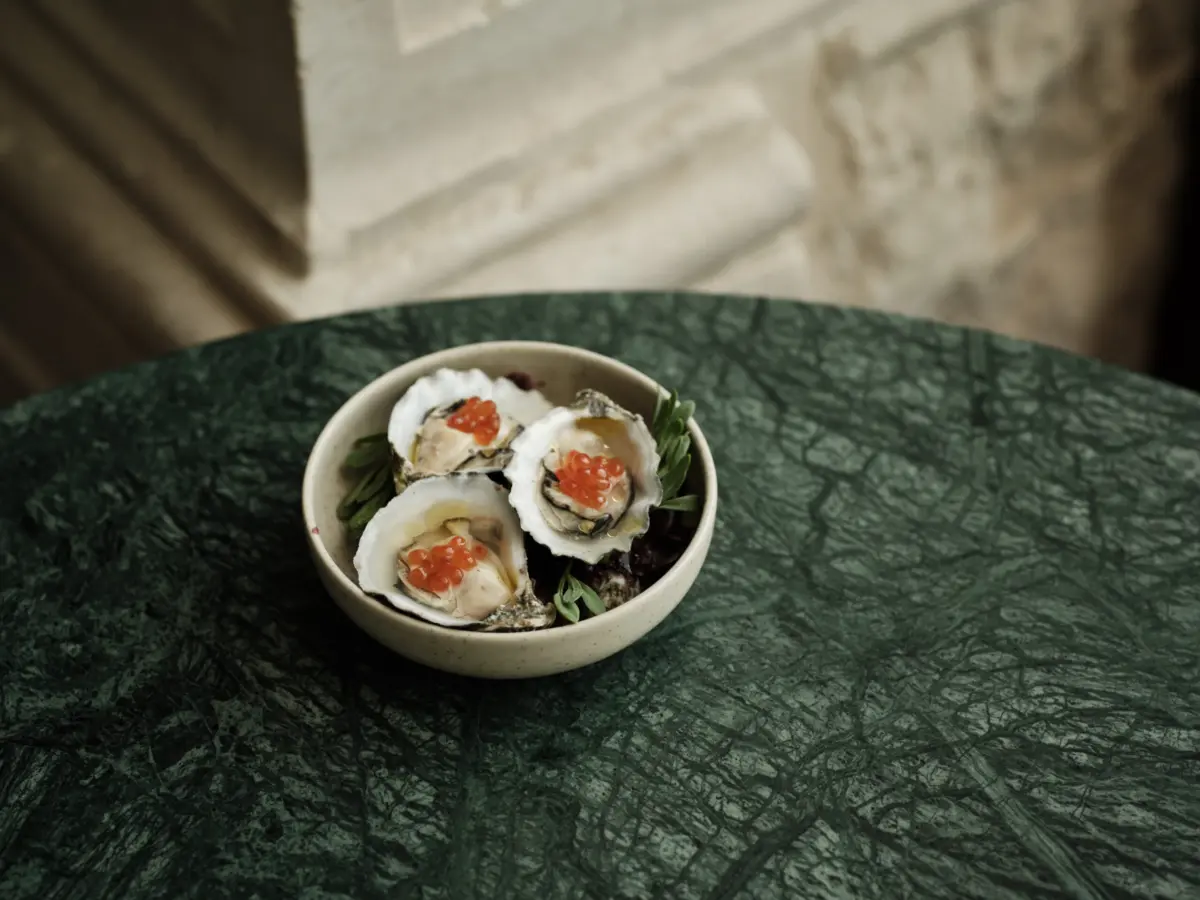
The return of chef Nuno Mendes to his native Lisbon is marked by the opening of Santa Joana. Tucked within an old convent that now houses the Locke de Santa Joana hotel, the restaurant showcases Mendes’s signature modern approach to tradition. Guests can start at the raw bar with local oysters before moving to main courses like pan-roasted turbot with seaweed emulsion.
As Lisbon continues to grow, its restaurant scene remains its most authentic form of expression. From the smallest 18-seat tasca to the grandest Art Deco marisqueira, the city offers a dining experience that is simultaneously rooted in the past and reaching toward a global future. Whether it is a simple bitoque served on a stainless-steel tray or a multi-course Michelin-starred tasting menu, the common thread is a profound respect for the product and the enduring joy of the Portuguese table.