When Insomniac Games announced they were turning their attention from the web-swinging heroics of Peter Parker and Miles Morales to the gruff, adamantium-laced ferocity of James "Logan" Howlett, expectations were understandably astronomical. The studio had already proven it could redefine the superhero genre with its Spider-Man series, blending emotional storytelling with fluid, high-octane gameplay. However, Marvel’s Wolverine arrives as a different beast entirely. It is a game defined by a strange duality: it is a technical marvel and a narrative triumph that simultaneously feels constrained by a linear structure and a combat system that occasionally lacks the depth of its contemporaries.
At its core, Marvel’s Wolverine is a focused, often narrow experience. While it manages to capture the essence of its titular character through flashes of brilliance and a story that demands attention, it often struggles to break free from a "one-note" rhythm. It is a game that growls with sincerity, but sometimes that growl is the only sound it knows how to make.
A Tale of Two Logans: The Narrative Core
Before delving into the mechanics of the claws, one must address the performance at the heart of the experience. Liam McIntyre steps into the role of Logan with a commitment that is nothing short of total. From the opening moments, the game establishes a specific tone for its protagonist—one of constant, simmering rage. Logan growls when he is wounded, he growls when he is preparing an ambush, and he growls when his coffee has gone cold. Early on, this serves as a potent character trait, but as the hours tick by, the sheer frequency of these vocalizations begins to feel like a stylistic choice that borders on the repetitive.
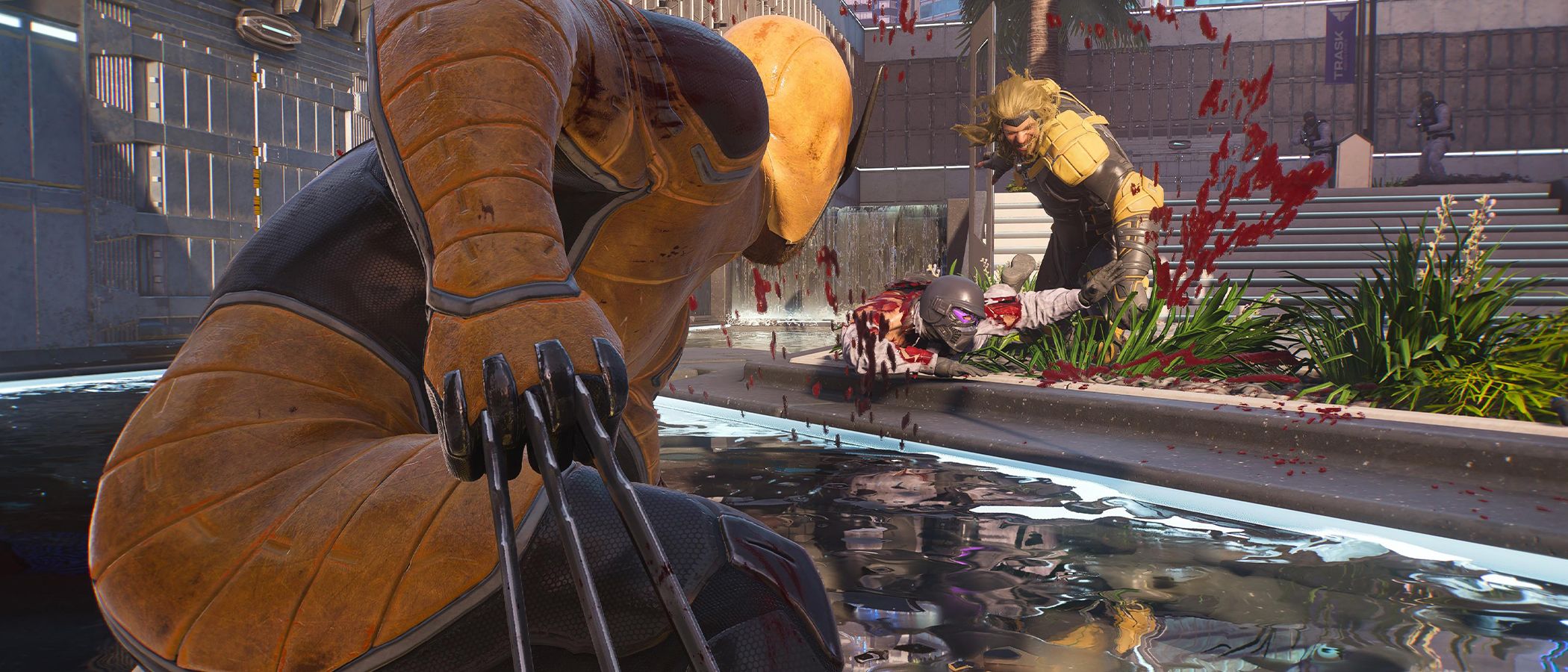
Yet, beneath this sonic layer of aggression lies a deeply compelling story that provides the strongest incentive to see the journey through to its conclusion. The setup is lean and effective: three years after severing ties with the clandestine Team X, Logan finds himself forcibly pulled back into the world of shadow operations. He isn’t alone; the narrative reassembles a mutant task force including Mystique and Sabretooth, pitting them against Bolivar Trask. Trask is portrayed here not just as a villain, but as a billionaire ideologue with a dangerous theory regarding human superiority—a man who has no time for the counterarguments of "homo superior."
The narrative scope is refreshingly global, moving Logan away from the familiar skyscrapers of New York City and into more evocative territories. The journey takes players through the rugged wilds of Canada, the neon-drenched, lawless streets of Madripoor, and the traditional landscapes of Japan. This globetrotting approach prevents the game from feeling like a retread of previous Marvel titles. Along the way, familiar faces like Jean Grey appear, grounding the story in the wider X-Men lore. The relationship between Logan and Jean, in particular, stands out as a highlight of the writing, offering a necessary emotional anchor in a game otherwise defined by violence.
The Art of the Shred: Combat and Animation
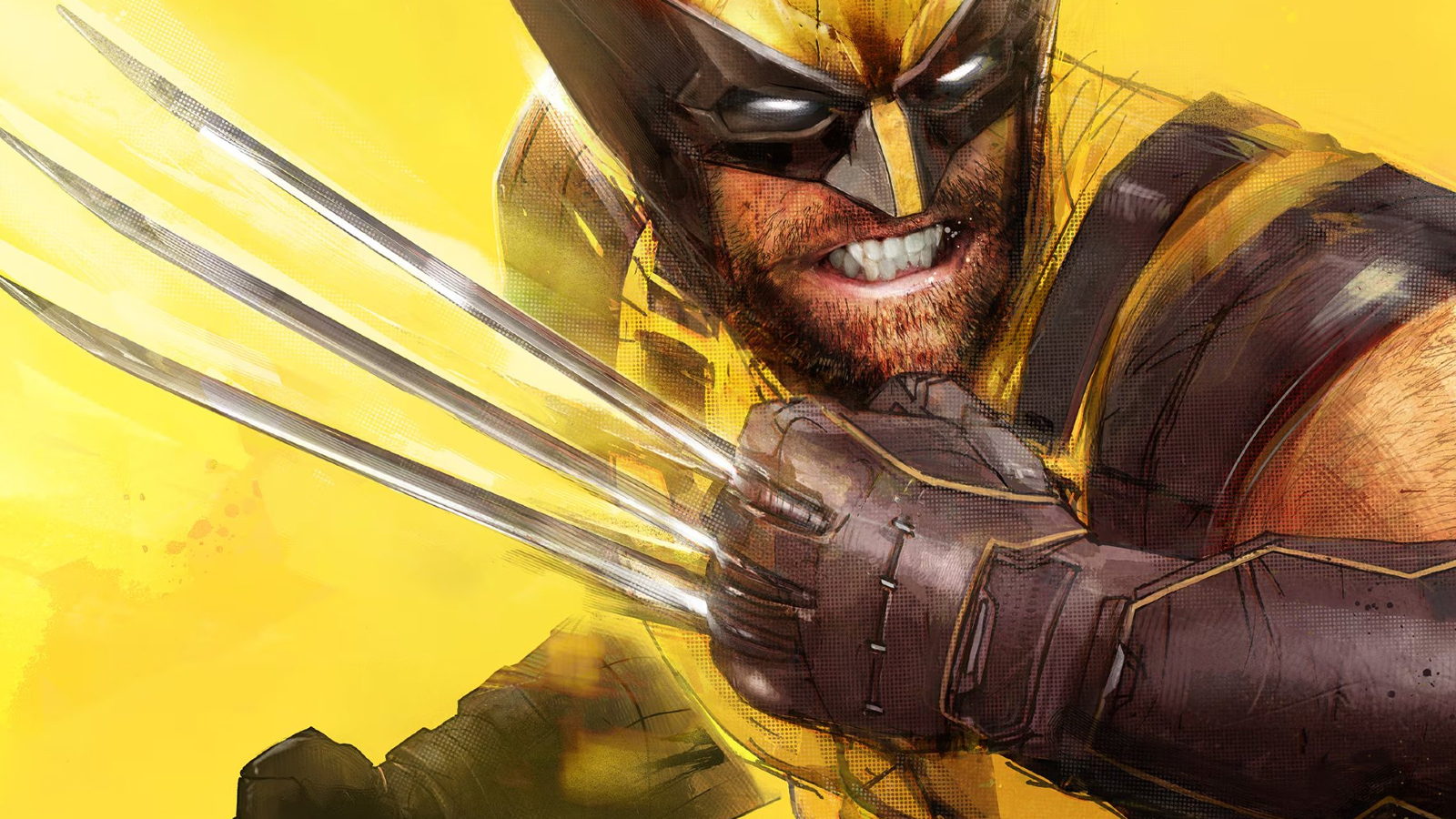
When the claws finally come out, Marvel’s Wolverine initially delivers a visceral thrill that few other games can match. Unlike the open-world freedom of Insomniac’s Spider-Man, Wolverine is a tighter, more linear affair. It is a game of corridors and arenas, where Logan kicks down doors and tracks scents like a bloodhound with a vendetta.
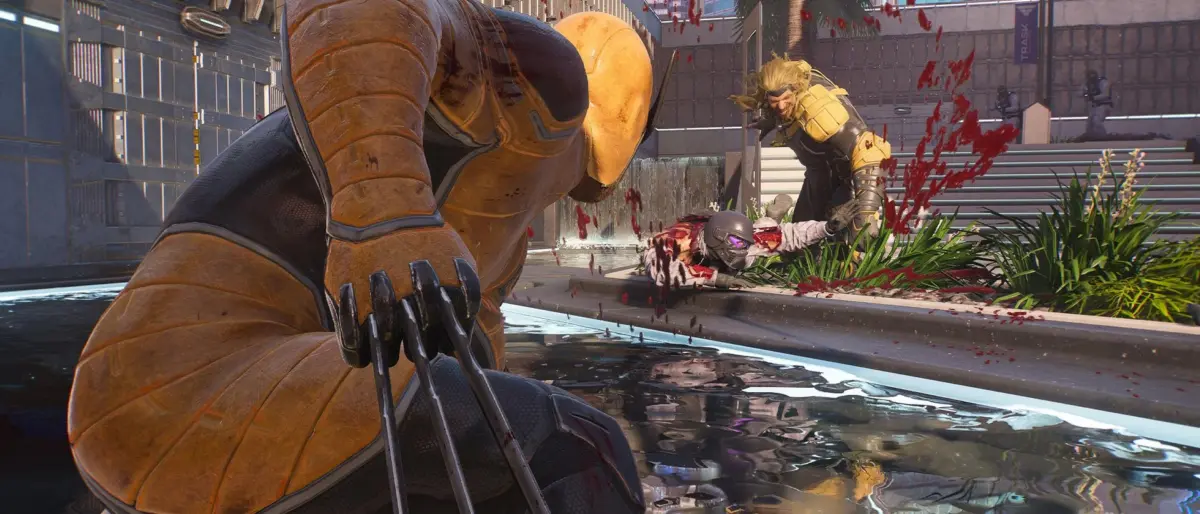
The animation team deserves immense credit for selling the sheer physicality of the character. Logan does not move with the grace of a gymnast; he is heavy, messy, and destructive. When he launches himself across a room, he does so as a blur of blood and steel, leaving a trail of snapped furniture and ruined environments in his wake. This isn’t about elegant problem-solving—it’s about unhinged, over-the-top violence.
The combat system is built on a foundation of basic attacks, parries, dodges, and leaps. On paper, it offers a variety of tools for the player to master. There are Special Techniques like the Tornado Spin and the Knee Breaker, alongside a three-tier Rage system that escalates into devastating critical hits. Players can also utilize an Adaptation system to tweak health regeneration and parry windows, while four rechargeable Techniques can be equipped to help manage the inevitable hordes of ninjas or mercenaries.
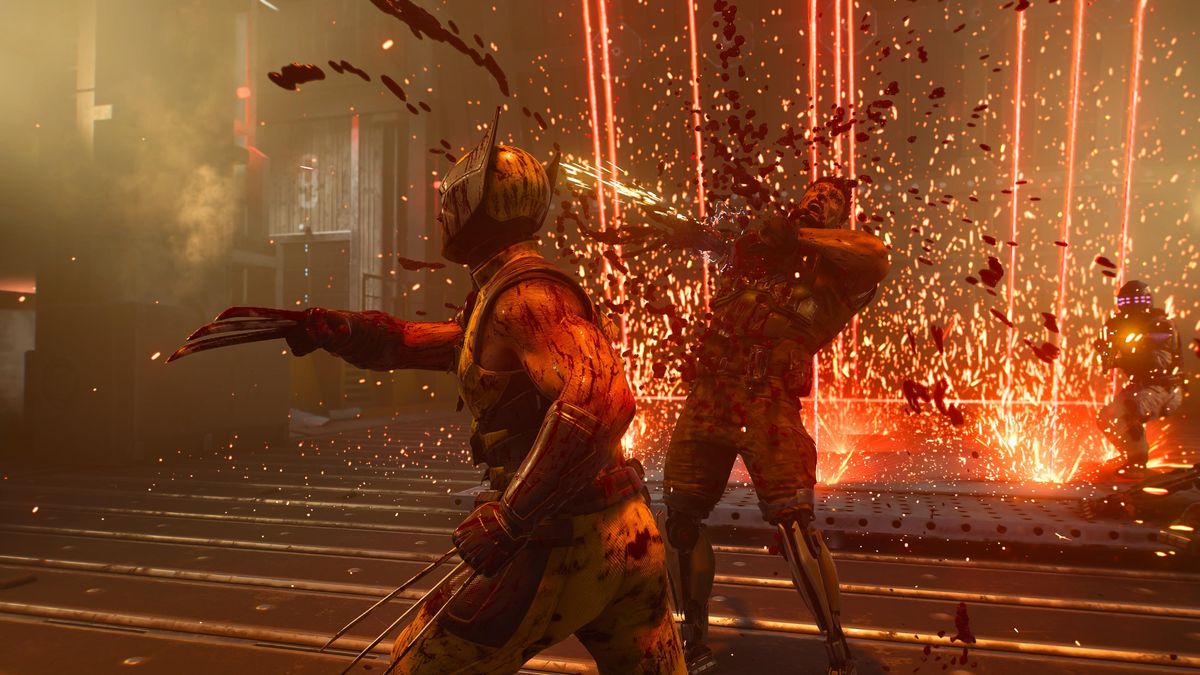
However, a gap eventually emerges between the spectacular visuals and the actual mechanical demands placed on the player. Despite the array of techniques, many encounters eventually devolve into a repetitive cycle of button-mashing, parrying, and dodging. While the camera struggles to keep pace with Logan as he bounces between multiple foes, the underlying rhythm feels surprisingly defensive. The optimal strategy often involves waiting for an enemy’s "tell," parrying to stagger them, and then punishing that stagger. Even the boss battles, though framed in grander arenas with cinematic choreography, rarely deviate from this "wait-parry-attack" loop.
The Limits of the "Sony Formula"
There is an undeniable craft buried within these systems. The Special Techniques are effective room-clears, and the environmental attacks provide a primal satisfaction. Spotting a forklift in the middle of a brawl and using it to dispatch an enemy feels like a nod to cult classics like The Punisher, rewarding players for spatial awareness. But these moments of inspiration are often surrounded by a sense of "safeness" that permeates the experience.
This safety is perhaps the game’s greatest hurdle. In an era where titles like Ninja Gaiden 4, Control Resonant, and Hi-Fi Rush have pushed the boundaries of melee combat through flexibility and agency, Wolverine feels somewhat regressive. In those games, combo strings and player experimentation are the heart of the experience. In Wolverine, the spectacle often takes precedence over agency. No matter how much blood is splattered across the screen, the player often feels like they are following a pre-determined path rather than forging their own.
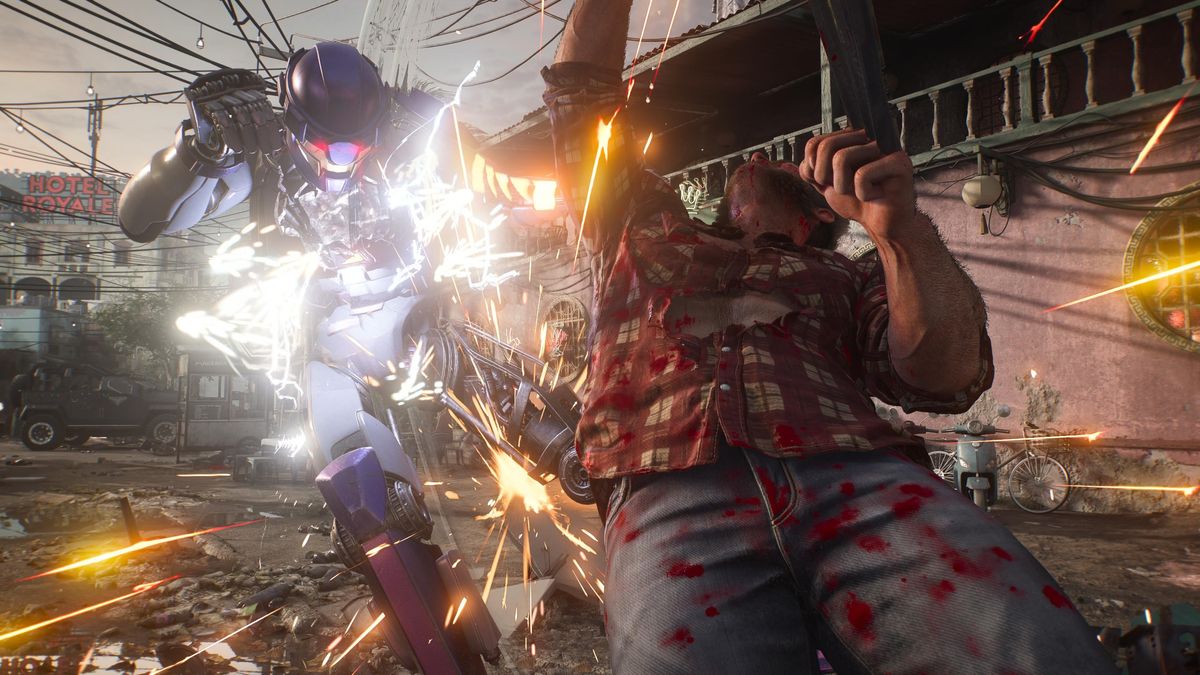
This sense of restriction extends beyond combat. The motorbike sequences, while visually arresting at first glance, offer little in the way of actual control. The tense, slow-walk sequences toward oncoming threats lose their impact once you realize how little influence you have over the outcome. Even the extensive collection of unlockable costumes—ranging from classic comic book looks to cinematic variations—serves primarily as fan service. While they are lovingly modeled, they do not meaningfully alter the gameplay, leaving the "build-crafting" elements of the Adaptation system feeling slightly underdeveloped.
The game also suffers from technical inconsistencies that break the immersion. Floating NPCs, enemies clipping into the geometry, and stuttering AI are present enough to be noticeable, marking a rare departure from the typical polish associated with Sony’s first-party lineup. It feels as though the "Sony formula"—the drive to make games as broadly accessible as possible—has here resulted in a lack of the secondary systems that made God of War or Spider-Man so enduring. Without the exploration or complex puzzle-solving of those titles, the thinness of Wolverine’s core combat becomes more apparent.
Senses and Shadows: Flashes of Potential
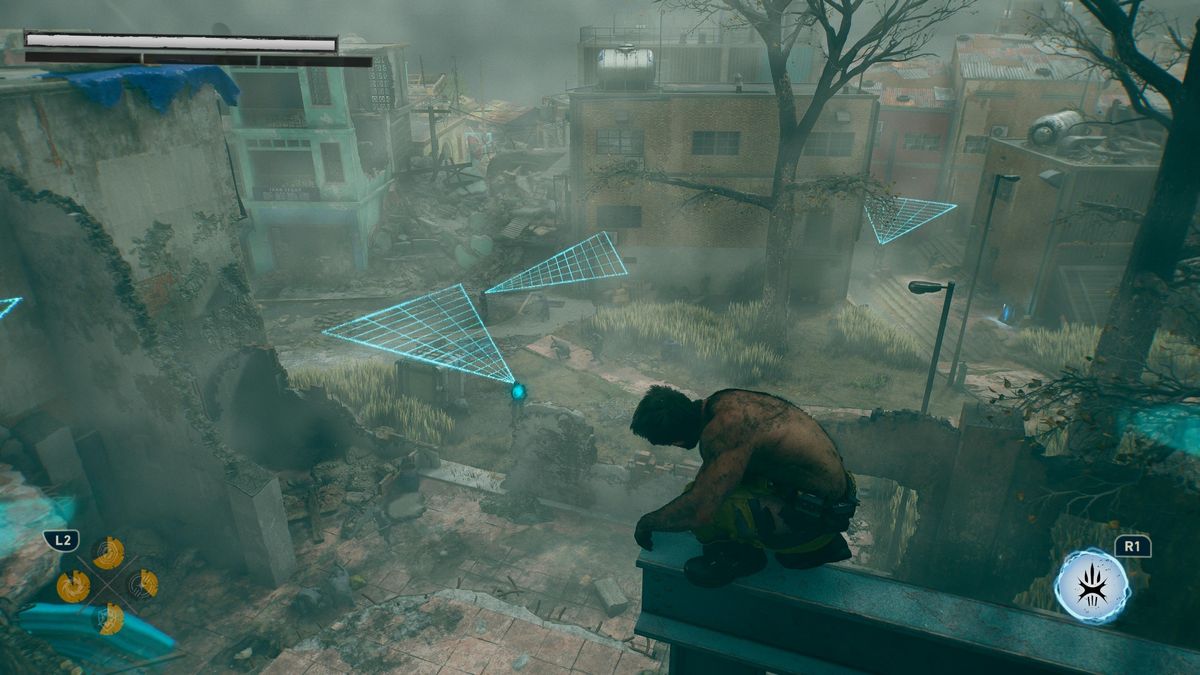
Despite these criticisms, there are moments where Insomniac’s creative spark shines through, suggesting a more ambitious game lying just beneath the surface. The implementation of Logan’s mutant senses is a standout feature, particularly in how it utilizes the PlayStation 5’s DualSense controller. Using the touchpad to "feel" your way around a wall to locate a hidden room or using scent tracking to uncover keypad codes adds a tactile, character-specific layer to the gameplay.
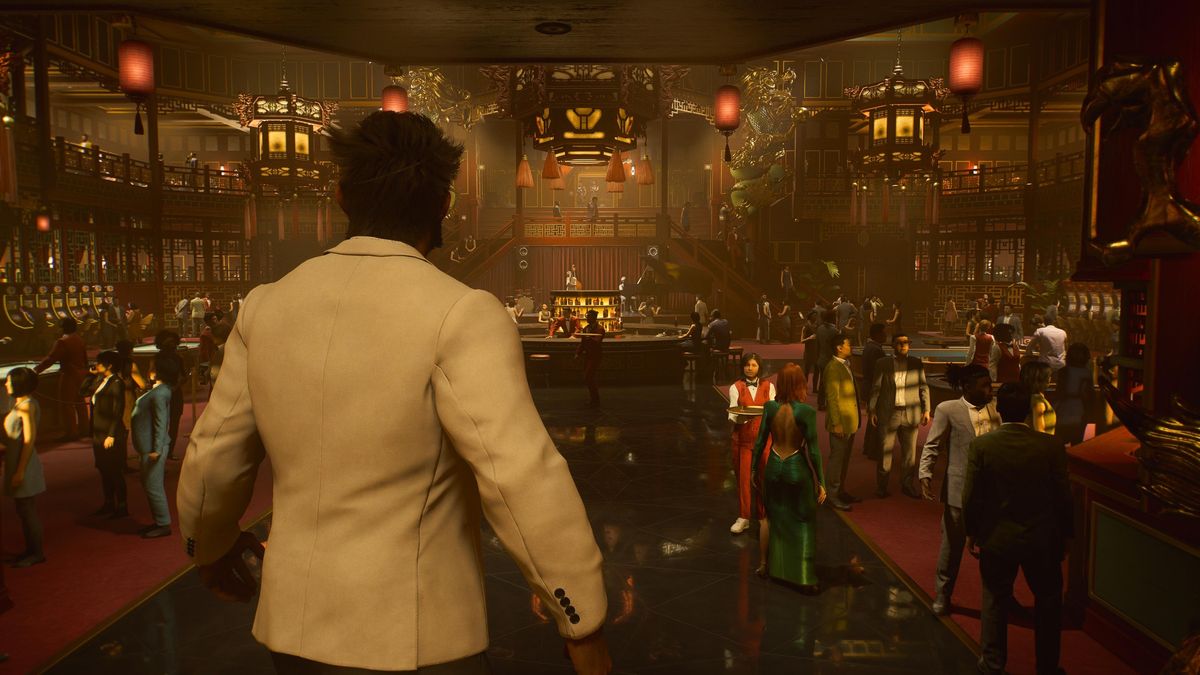
There are also glimpses of more open-ended design. A sequence in a nightclub where overhearing stray conversations can lead to multiple ways of disrupting the scene is a fantastic idea, even if the ultimate outcome feels somewhat pre-destined. Similarly, when Logan reaches the rooftops of Lowtown in Madripoor, the game briefly offers a sense of scale and verticality that is exhilarating. For a few minutes, the leash is loosened, and players are free to poke around the environment, find collectibles, and soak in the atmosphere.
Unfortunately, these moments are often short-lived. Move too far in the wrong direction, and the game firmly resets the player, sometimes requiring a checkpoint reload if the logic breaks. It is in these moments—the senses, the Madripoor rooftops, the environmental puzzles—that one can see the game Wolverine could have been if it had been allowed to push further into its more experimental ideas.
Verdict: A Story Worth Finishing
Marvel’s Wolverine is a solid, frequently spectacular brawler that tells one of the best Logan stories in recent memory. The character work, particularly the dynamics between Logan, Jean, Mystique, and Sabretooth, prevents the narrative from becoming a repetitive cycle of anger and memory loss. It is a game with real emotional weight and visual conviction.
However, it is also a game that plays it remarkably safe. For a character defined by his unpredictability and his tendency to do things "his own way," the rigid structure and defensive combat loop feel at odds with the protagonist’s identity. There is a great Wolverine game hidden within these 14 hours, visible in the way Logan dismantles a room or the way the DualSense hums as he tracks a scent. While the spectacle is enough to carry the experience to the credits, one can’t help but wish the gameplay had the same sharp, uncompromising edge as the character’s claws.
In the end, Marvel’s Wolverine is a journey worth taking for the story and the visual craft, but it remains a reminder that style, no matter how polished, cannot entirely replace the need for mechanical substance.