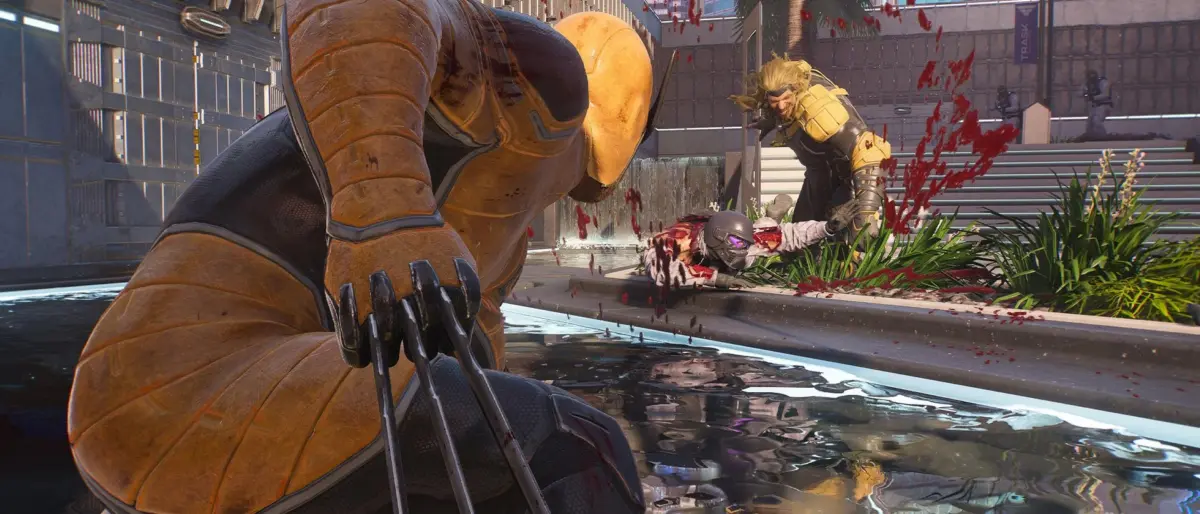
The combat system is built on a foundation of basic attacks, parries, dodges, and leaps. On paper, it offers a variety of tools for the player to master. There are Special Techniques like the Tornado Spin and the Knee Breaker, alongside a three-tier Rage system that escalates into devastating critical hits. Players can also utilize an Adaptation system to tweak health regeneration and parry windows, while four rechargeable Techniques can be equipped to help manage the inevitable hordes of ninjas or mercenaries.
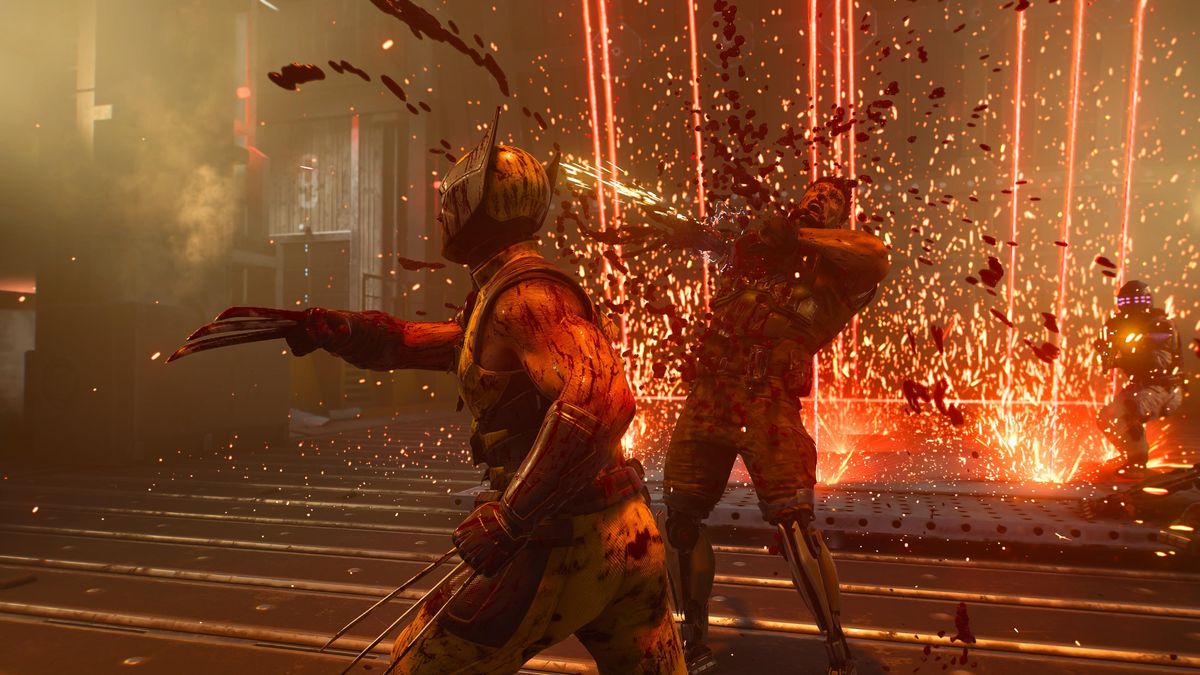
However, a gap eventually emerges between the spectacular visuals and the actual mechanical demands placed on the player. Despite the array of techniques, many encounters eventually devolve into a repetitive cycle of button-mashing, parrying, and dodging. While the camera struggles to keep pace with Logan as he bounces between multiple foes, the underlying rhythm feels surprisingly defensive. The optimal strategy often involves waiting for an enemy’s "tell," parrying to stagger them, and then punishing that stagger. Even the boss battles, though framed in grander arenas with cinematic choreography, rarely deviate from this "wait-parry-attack" loop.
The Limits of the "Sony Formula"
There is an undeniable craft buried within these systems. The Special Techniques are effective room-clears, and the environmental attacks provide a primal satisfaction. Spotting a forklift in the middle of a brawl and using it to dispatch an enemy feels like a nod to cult classics like The Punisher, rewarding players for spatial awareness. But these moments of inspiration are often surrounded by a sense of "safeness" that permeates the experience.
This safety is perhaps the game’s greatest hurdle. In an era where titles like Ninja Gaiden 4, Control Resonant, and Hi-Fi Rush have pushed the boundaries of melee combat through flexibility and agency, Wolverine feels somewhat regressive. In those games, combo strings and player experimentation are the heart of the experience. In Wolverine, the spectacle often takes precedence over agency. No matter how much blood is splattered across the screen, the player often feels like they are following a pre-determined path rather than forging their own.
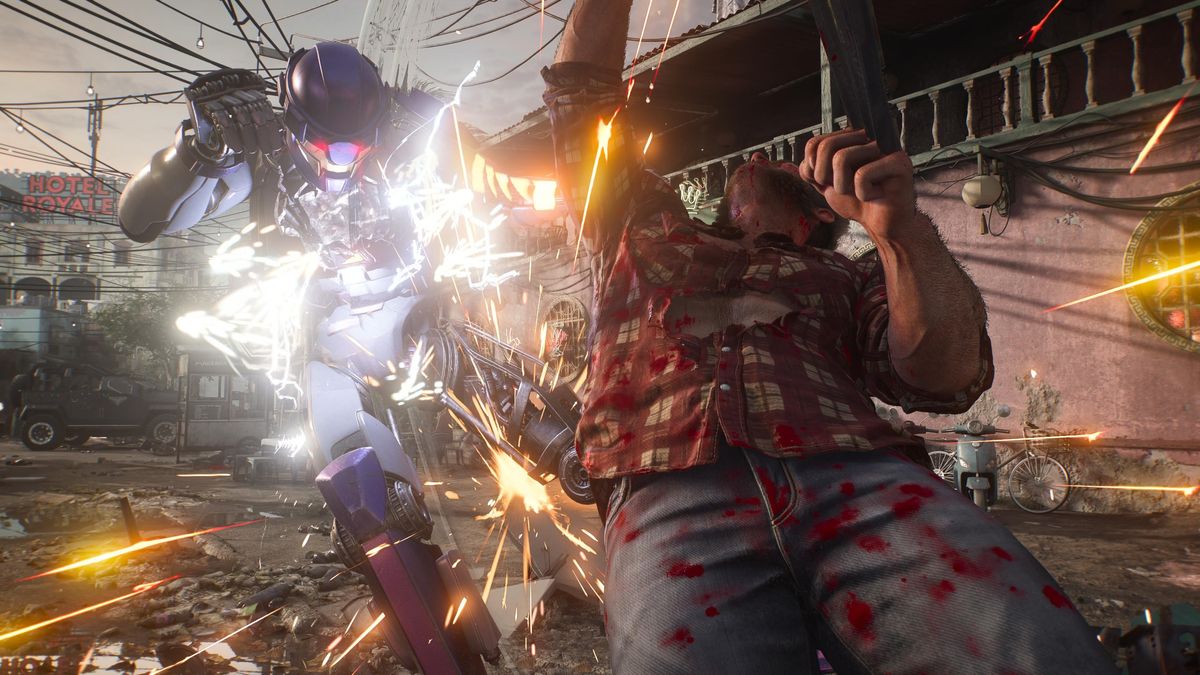
This sense of restriction extends beyond combat. The motorbike sequences, while visually arresting at first glance, offer little in the way of actual control. The tense, slow-walk sequences toward oncoming threats lose their impact once you realize how little influence you have over the outcome. Even the extensive collection of unlockable costumes—ranging from classic comic book looks to cinematic variations—serves primarily as fan service. While they are lovingly modeled, they do not meaningfully alter the gameplay, leaving the "build-crafting" elements of the Adaptation system feeling slightly underdeveloped.
The game also suffers from technical inconsistencies that break the immersion. Floating NPCs, enemies clipping into the geometry, and stuttering AI are present enough to be noticeable, marking a rare departure from the typical polish associated with Sony’s first-party lineup. It feels as though the "Sony formula"—the drive to make games as broadly accessible as possible—has here resulted in a lack of the secondary systems that made God of War or Spider-Man so enduring. Without the exploration or complex puzzle-solving of those titles, the thinness of Wolverine’s core combat becomes more apparent.