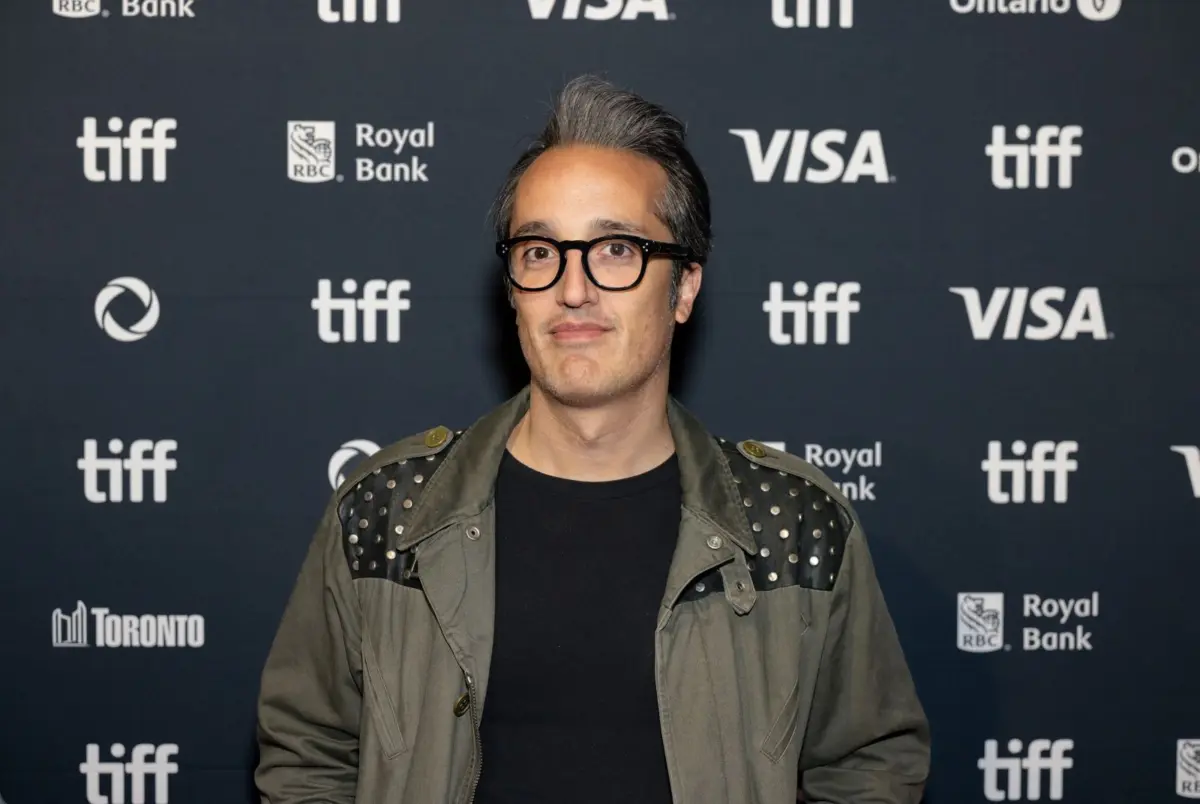
Chavezmontes originally established Piano as a vehicle to produce his own work, beginning with the 2012 film "Halley," which he wrote and which was directed by Sebastián Hofmann. However, the company’s mission quickly expanded. Through presence at international festivals and a focus on distribution and co-production, Piano began building a network of global partnerships.
One of the most pivotal moments in the company’s history occurred at the 2018 Sundance Film Festival. Piano’s production "Time Share" (Tiempo Compartido), which Chavezmontes wrote and produced, was competing in the World Cinema Dramatic section. The jury, presided over by Ruben Östlund, awarded the film the Best Screenplay prize. This encounter led to a lasting relationship with Östlund’s producing partner Erik Hemmendorff and producer Philippe Bober. Having already distributed Östlund’s "The Square" in Mexico, Piano was eventually invited to co-produce "Triangle of Sadness."
"Of course, the answer was an immediate yes!" Chavezmontes recalled. While "Triangle of Sadness" became the company’s most visible international success, Chavezmontes is careful not to let any single title define the company’s identity. He points to diverse projects like Mia Hansen-Løve’s "Bergman Island" and Abel Ferrara’s "Siberia" as essential components of the Piano portfolio—films whose value lies in their artistic integrity rather than their immediate box-office metrics.
Co-production as a Creative Engine
For Chavezmontes, international co-productions are more than just a financial necessity for independent cinema; they are a creative engine. He argues that the true definition of a co-production lies in the human collaboration—the exchange of ideas between creative teams and technical crews from different cultures.
"Ultimately, what really defines a co-production is the people who come together to collaborate," Chavezmontes said. "The creative team, the technical crew—they’re the ones who actually make the films. Money simply makes it possible to hire them."
This philosophy of genuine belief in the work is what Chavezmontes believes sets Piano apart. He describes himself as an "ordinary moviegoer" and uses his own emotional response to a script as the primary litmus test for whether Piano should board a project. If a story moves him, he believes it has the potential to connect with audiences far beyond the industry bubble.
Advocating for a Comprehensive Mexican Film Policy
Beyond his work as a producer, Chavezmontes is becoming an increasingly vocal advocate for the development of the Mexican film industry. While he welcomed the recent implementation of a 30% tax incentive for both domestic and international productions, he argues that Mexico needs a more comprehensive, long-term government policy for the audiovisual sector.