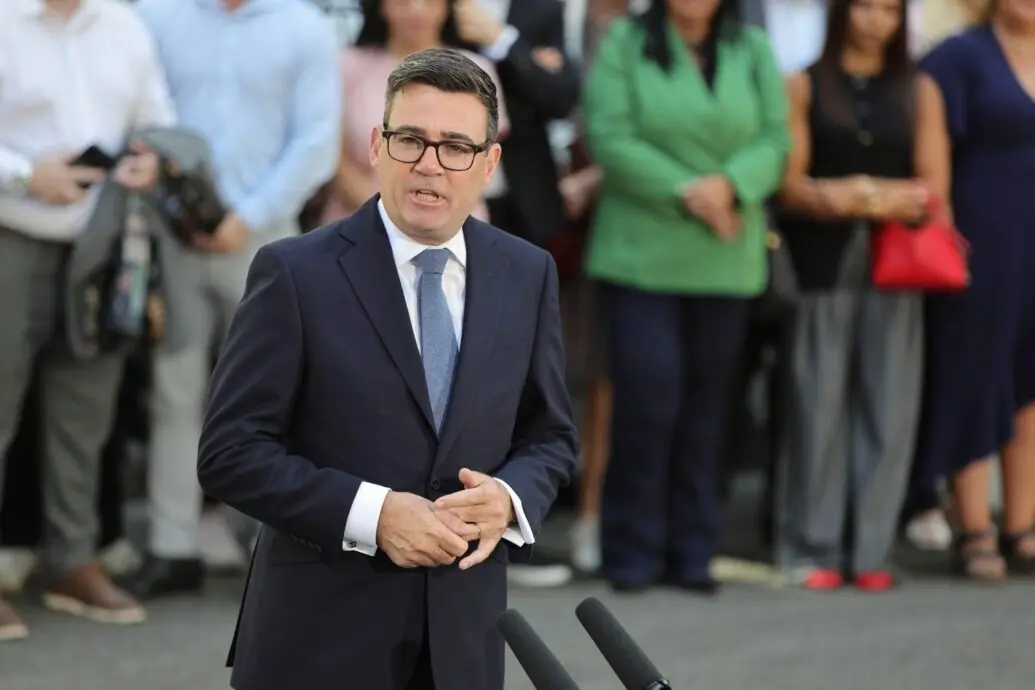
In a move signaling a transformative shift in the United Kingdom’s industrial and environmental policy, Prime Minister Andy Burnham has officially announced the launch of Great British (GB) Grid. This landmark initiative represents the establishment of the first direct state-owned electricity network since the era of privatization, marking a significant departure from the market-led models that have dominated the nation’s energy landscape for decades. The creation of GB Grid is positioned as a cornerstone of the government’s broader strategy to modernize the nation’s aging infrastructure, lower the cost of living for households, and remove the bureaucratic and technical bottlenecks that have long stifled British business expansion.
Operating as a dedicated branch of the previously established Great British (GB) Energy, the new state-owned entity is tasked with a clear and ambitious mandate: to drastically reduce the time it takes for new projects to connect to the national power supply and to bring British energy costs in line with those of neighboring European countries within the next ten years. The Prime Minister’s announcement comes at a time when the efficiency of the national grid has become a focal point of economic debate, with critics arguing that the current system is ill-equipped to handle the rapid transition toward a decentralized, renewable-heavy energy mix.
Addressing an audience of business leaders and industry experts, the Prime Minister framed the launch of GB Grid as a direct response to the systemic delays that have plagued the UK’s commercial sector. He noted that the inability to access the power network has become one of the primary hurdles for domestic growth. According to the Prime Minister, the current state of the grid is not merely a technical oversight but a fundamental economic drag that prevents the country from reaching its full potential. He emphasized that the frustration felt by the business community is a sentiment he encounters frequently, noting that many entrepreneurs and developers find themselves in a state of paralysis, unable to begin operations or expand facilities because they are trapped in a multi-year queue for a grid connection.
The Prime Minister was blunt in his assessment of how these delays impact the broader economy, stating that the current system pushes costs up, drags growth down, and ultimately holds Britain back from competing on a global stage. By establishing GB Grid, the government intends to take a more proactive role in the planning and execution of network upgrades, ensuring that the infrastructure is built ahead of demand rather than lagging years behind it. This shift toward a state-led infrastructure model is designed to provide the certainty that private investors and business owners need to commit to long-term projects in the UK.
While the launch of a state-owned grid operator might suggest a move toward full nationalization, the Prime Minister was careful to clarify the operational scope of GB Grid. He explained that the new organization will not seek to dismantle or replace the existing network companies that currently manage the UK’s energy transmission and distribution. Instead, GB Grid is designed to work alongside these private sector entities, providing much-needed investment in the overarching infrastructure and filling the gaps where private enterprise has been slow to move. The goal is to create a collaborative environment where the public sector can provide the strategic direction and capital for large-scale projects, while the private sector continues to offer its operational expertise.
However, the Prime Minister also made it clear that the introduction of GB Grid is intended to act as a catalyst for change within the industry. By serving as a publicly owned "challenger" to traditional private sector operators, GB Grid is expected to drive a new level of performance across the board. The government believes that the presence of a state-backed competitor will force an increase in efficiency and a more aggressive approach to modernization. The Prime Minister added that this new dynamic will increase competition, drive down costs, and speed up connections, allowing businesses to expand and grow more quickly than the current framework allows.
The integration of GB Grid into the Great British Energy framework also highlights the government’s focus on the entire energy value chain. By linking the generation of power—which is the primary focus of GB Energy—with the delivery of that power through GB Grid, the government aims to create a more cohesive and responsive energy system. This integrated approach is seen as essential for meeting the 10-year target of aligning UK energy prices with European standards. Historically, British businesses and consumers have often faced higher electricity costs than their counterparts in countries like France or Germany, a disparity that the government is determined to eliminate through strategic public investment and improved network management.
Beyond the immediate economic benefits of a faster and cheaper grid, the Prime Minister used the announcement to reflect on the broader progress of the nation’s transition to "homegrown renewables." Throughout the current year, the UK has seen a steady increase in the deployment of wind, solar, and other clean energy technologies. Burnham pointed to these developments as evidence that the country is capable of achieving energy independence and reducing its reliance on volatile international gas markets. However, he acknowledged that the success of these renewable projects is entirely dependent on the grid’s ability to absorb and distribute the power they generate—a task that GB Grid will be specifically designed to handle.
The Prime Minister also addressed the sensitive issue of fossil fuel extraction in the North Sea, a topic that remains a point of contention among environmental advocates and industry proponents. Currently, the government has yet to deliver an official verdict on the future of the Rosebank and Jackdaw oil rigs, two major projects that have become symbols of the tension between economic necessity and climate commitments. In his remarks, Burnham adopted a "pragmatic" stance regarding the North Sea, suggesting that while the long-term goal is a clean energy future, the transition must be managed in a way that ensures energy security and protects jobs.
He vowed that the government would face the climate crisis head-on but emphasized that the path to a net-zero economy must be realistic and grounded in the practicalities of the current energy market. This pragmatic approach indicates that while the government is heavily investing in the future through initiatives like GB Grid and GB Energy, it is not yet ready to completely sever ties with the existing oil and gas infrastructure in the North Sea. Instead, the administration appears to be seeking a balanced transition that utilizes existing resources to fund and stabilize the shift toward a greener grid.
The launch of GB Grid is likely to be viewed as a defining moment for the current administration, representing a significant intervention in the economy to solve a long-standing structural problem. For years, the "connection queue" has been a recurring theme in reports from the National Grid and various energy regulators, with some renewable energy projects being told they would have to wait until the late 2030s to be linked to the network. By taking direct ownership of a portion of the grid infrastructure, the government is betting that public oversight and state funding can bypass the financial and regulatory hurdles that have slowed down private sector upgrades.
As GB Grid begins its operations, the focus will turn to how quickly it can deliver on the Prime Minister’s promises. The business community will be watching closely to see if connection times actually begin to fall and if the promised reduction in energy costs starts to materialize in their monthly bills. For the government, the success of GB Grid is not just about energy; it is about proving that a more active, state-led approach to infrastructure can unlock economic growth and provide a sustainable solution to the climate crisis.
The Prime Minister concluded his address by reiterating his commitment to a "clean energy future," framing GB Grid as a vital tool in the nation’s arsenal to combat climate change while simultaneously rebuilding the domestic economy. By investing in the grid today, the government aims to ensure that the UK is prepared for the energy demands of tomorrow, creating a more resilient, affordable, and efficient power network that serves the interests of both the public and the private sector. The journey toward a modernized grid is expected to be a decade-long endeavor, but with the launch of Great British Grid, the government has officially set the wheels in motion for what it describes as a huge energy shake-up.