He vowed that the government would face the climate crisis head-on but emphasized that the path to a net-zero economy must be realistic and grounded in the practicalities of the current energy market. This pragmatic approach indicates that while the government is heavily investing in the future through initiatives like GB Grid and GB Energy, it is not yet ready to completely sever ties with the existing oil and gas infrastructure in the North Sea. Instead, the administration appears to be seeking a balanced transition that utilizes existing resources to fund and stabilize the shift toward a greener grid.
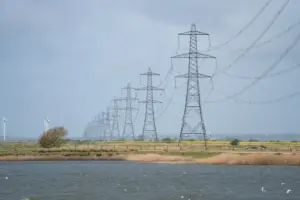
The launch of GB Grid is likely to be viewed as a defining moment for the current administration, representing a significant intervention in the economy to solve a long-standing structural problem. For years, the "connection queue" has been a recurring theme in reports from the National Grid and various energy regulators, with some renewable energy projects being told they would have to wait until the late 2030s to be linked to the network. By taking direct ownership of a portion of the grid infrastructure, the government is betting that public oversight and state funding can bypass the financial and regulatory hurdles that have slowed down private sector upgrades.
As GB Grid begins its operations, the focus will turn to how quickly it can deliver on the Prime Minister’s promises. The business community will be watching closely to see if connection times actually begin to fall and if the promised reduction in energy costs starts to materialize in their monthly bills. For the government, the success of GB Grid is not just about energy; it is about proving that a more active, state-led approach to infrastructure can unlock economic growth and provide a sustainable solution to the climate crisis.
The Prime Minister concluded his address by reiterating his commitment to a "clean energy future," framing GB Grid as a vital tool in the nation’s arsenal to combat climate change while simultaneously rebuilding the domestic economy. By investing in the grid today, the government aims to ensure that the UK is prepared for the energy demands of tomorrow, creating a more resilient, affordable, and efficient power network that serves the interests of both the public and the private sector. The journey toward a modernized grid is expected to be a decade-long endeavor, but with the launch of Great British Grid, the government has officially set the wheels in motion for what it describes as a huge energy shake-up.