Furthermore, the energy market itself is evolving to accommodate this shift. ScottishPower has noted that the uptake of EV-specific tariffs has increased by more than 10%. These tariffs are specifically designed to benefit electric vehicle owners by offering significantly lower electricity rates during off-peak hours, typically overnight when the overall demand on the National Grid is at its lowest. By utilizing these specialized tariffs, motorists can further drive down the cost of their "fuel," often achieving the 2p per mile rate mentioned in the report. The growth in these tariffs suggests a maturing market where consumers are becoming more sophisticated in how they manage their energy consumption, aligning their vehicle charging with periods of high renewable energy availability and lower grid stress.
The underlying driver for this massive shift is undeniably the cost-of-living crisis and the volatility of global oil markets. As petrol and diesel prices remain high and unpredictable, the relative stability and lower cost of domestic electricity offer a sense of financial security that traditional fuels cannot match. The figures suggest that the higher costs of conventional fuels are acting as a powerful incentive, encouraging drivers who may have previously been hesitant about electric vehicles to take the plunge. The transition is no longer seen solely through the lens of environmental responsibility or "green" credentials; it is now being viewed as a pragmatic and necessary financial strategy for the modern British household.
The RAC figures, which place diesel at nearly £2 per litre, have acted as a psychological and financial barrier that many motorists are now unwilling to cross. This has created a fertile environment for energy providers like ScottishPower to expand their offerings and support the infrastructure needed to facilitate a mass-market transition. The 630% rise in enquiries is a testament to the fact that the public is actively seeking ways to decouple their personal mobility from the fluctuations of the global oil market. As more drivers witness the stark difference between a £96 petrol bill and a £10 electric charge, the momentum toward electrification is expected to continue its upward trajectory.
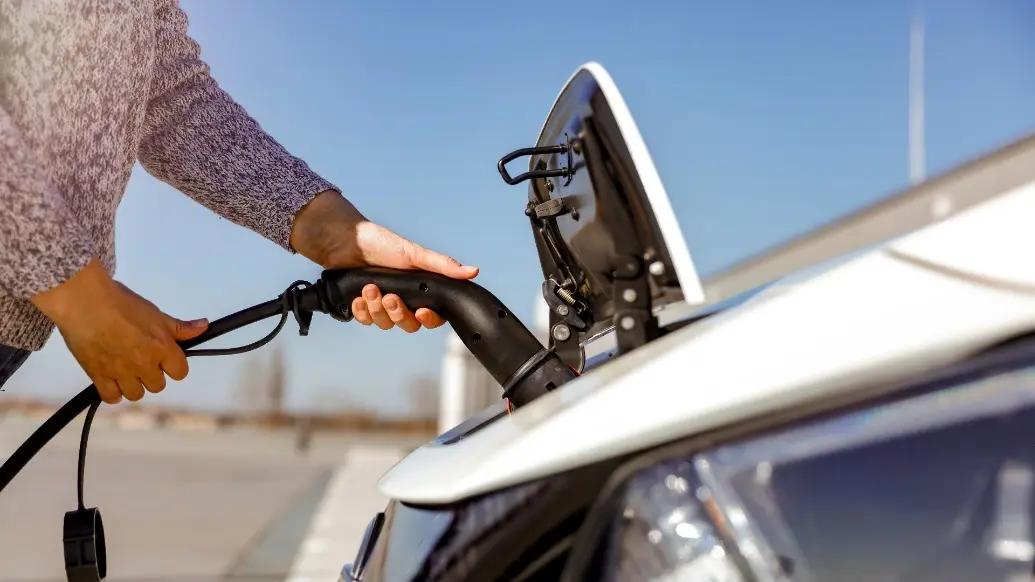
Beyond the immediate financial savings, the data reflects a broader change in the UK’s automotive ecosystem. The 430% increase in the usage of dedicated charging solutions highlights a move toward home-based energy management. For the first time in a century, the primary location for "refueling" is shifting from the public forecourt to the private driveway. This shift not only saves money but also offers a level of convenience that petrol and diesel vehicles cannot provide. The ability to "fill up" a vehicle overnight while it is parked at home is a significant lifestyle change that is clearly resonating with the hundreds of thousands of people now enquiring about these services.