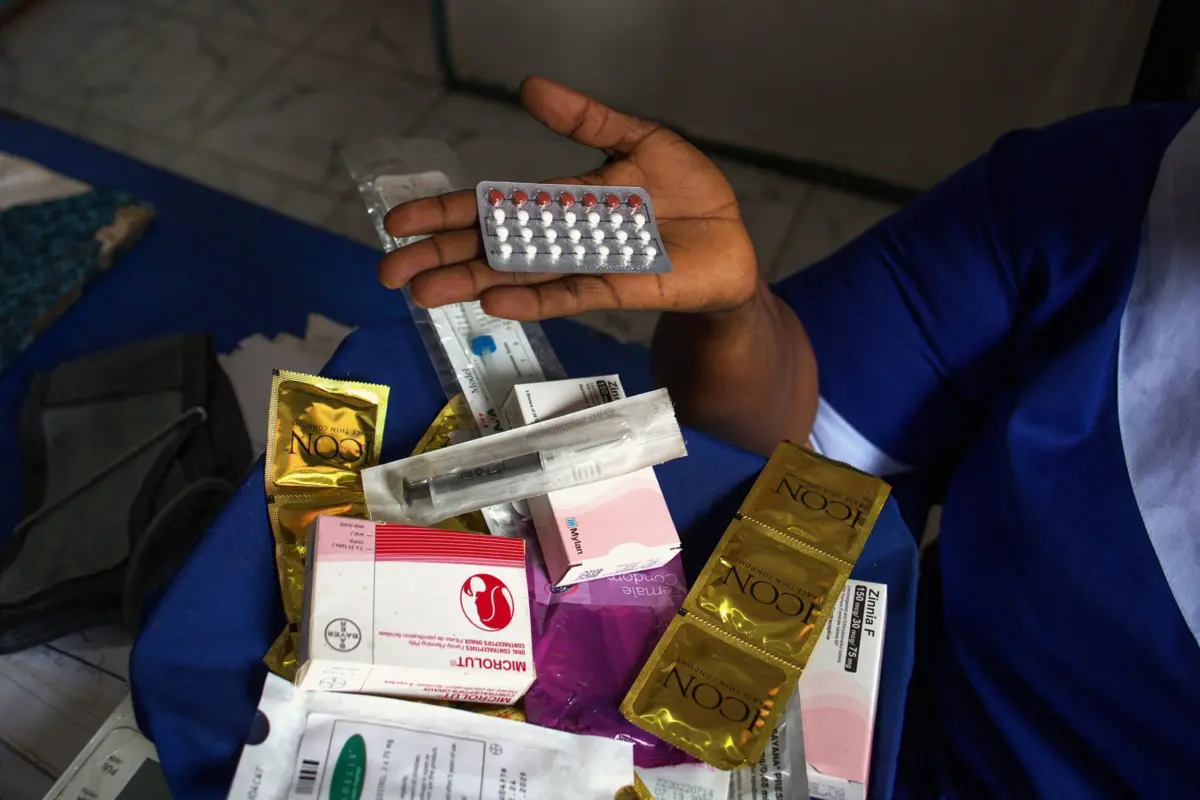
“How many young people can go and say, ‘Mommy, I want to have sex tonight. Can you allow me to go and get a contraceptive method?’” Chinyama said. “It doesn’t happen in Africa.”
Furthermore, the logistical "last mile"—the process of moving supplies from central government warehouses to remote rural health centers—is failing. Chinyama noted that the loss of U.S. support for distribution networks in Zambia has been particularly damaging. Contraceptives may be sitting in a provincial hub, but they are of no use to a girl living in a distant village if there is no fuel, no vehicle, and no personnel to deliver them.
Global geopolitical instability has added another layer of difficulty. Shipping disruptions, particularly in the Red Sea and surrounding waterways, have forced carriers to reroute vessels, leading to significant delays in the delivery of medical supplies. In March, the UNFPA reported that several shipments of contraceptives destined for Africa had been delayed by months. In Zambia, a shipment ordered in November arrived more than 90 days late.
“At first, we thought Zambia was a low-risk country with the Iran war, because it felt like it was very far out there,” Chinyama said. “But we are only just receiving the products this week.”
Big demand for mobile clinics despite aid cuts
The consequences of these combined pressures are most visible in Zimbabwe’s most remote and impoverished regions. In Binga, an isolated district in the northwestern part of the country, the impact of funding cuts was felt immediately when Population Services Zimbabwe was forced to scale back its mobile outreach.
When the mobile clinics were able to return briefly in August after a six-month hiatus, the reception was overwhelming. Engeline Mawere, the organization’s operations director, described scenes of desperation and relief.
“Sixteen, 17-year-olds, some with children on their backs, were racing toward us when they saw our vehicle,” Mawere said. She explained that the team often has to park their vehicles in the bush or away from main roads so that both married and unmarried girls can access the services without being spotted by their community.
The rush for services in Binga underscores a fundamental truth: the demand for family planning is high, but the avenues for safely accessing it are narrowing. For young mothers like Kelly Nhedega, the ability to access contraception discreetly is the only way to regain control over their lives and futures.
“So here, you just do it secretly and plan better,” Nhedega said, reflecting on her experience with the mobile caravan in Epworth. “There is no child who should be attributed to a mistake. We should be able to plan and decide when to have a baby.”