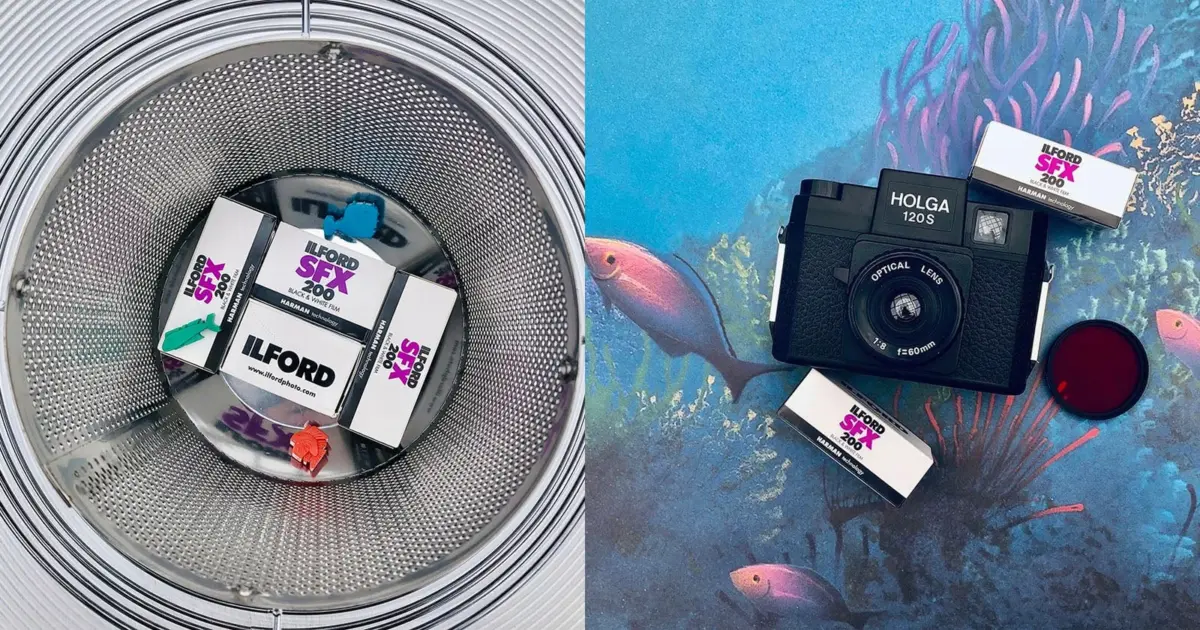

To achieve these results, understanding the nuances of filtration is essential. For many photographers, the Red 25 filter serves as the most logical starting point. It is widely available, relatively affordable, and offers a perfect balance between ease of use and visual impact. Using a Red 25 filter requires an exposure compensation of approximately 2.5 stops, a manageable adjustment for most cameras. One of the greatest advantages of the Red 25 is that it is transparent enough for the photographer to still see through the viewfinder, allowing for traditional focusing, composition, and even through-the-lens (TTL) metering. Beyond its use with SFX, a Red 25 filter is a valuable asset for any black-and-white photographer, as it naturally increases contrast and tonal separation across all panchromatic films.
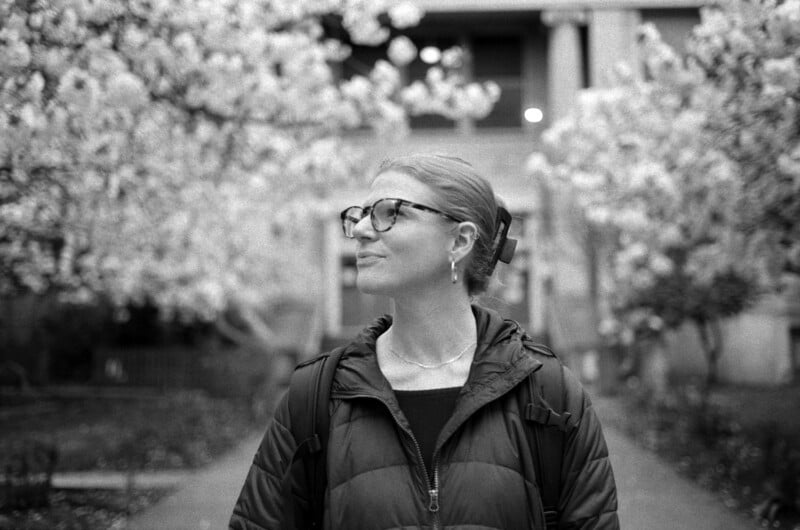
For those seeking a slightly more aggressive look, the Red 29 filter is often cited as a preferred alternative. While the differences between a Red 25 and a Red 29 are subtle, the latter is a deeper shade of red that requires an additional half-stop of exposure compensation. This deeper filtration pushes the infrared effect further, though many experts suggest that if a Red 25 is more easily obtainable, there is little reason to spend excessive time hunting for a Red 29.
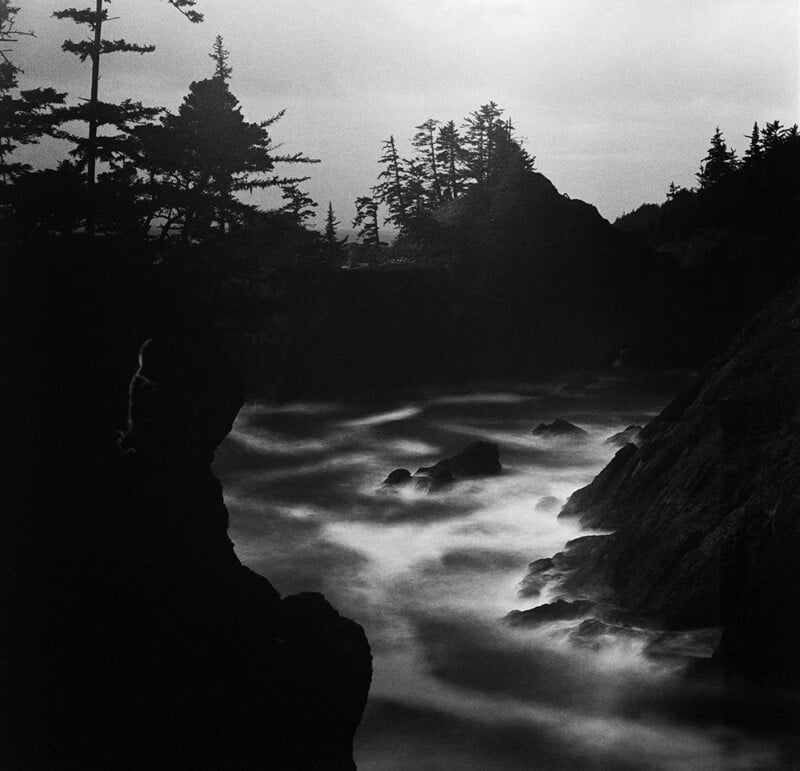
The conversation around Ilford SFX often leads to a technical debate regarding its "near-infrared" designation. The infrared spectrum generally begins where the visible red spectrum ends, around 700 to 750 nanometers (nm), and extends out to 1400 nm. Standard infrared films currently on the market, including SFX, are sensitive to the "near-infrared" end of this range. Even the legendary Kodak HIE, perhaps the most famous infrared film in history, only had sensitivity reaching up to 900 nm. Because SFX is labeled as near-infrared, some skeptics mistakenly believe it is incapable of producing "true" infrared images. However, when paired with a specialized filter like the R72, which cuts off almost all light below 700 nm, SFX operates almost entirely within the infrared spectrum.
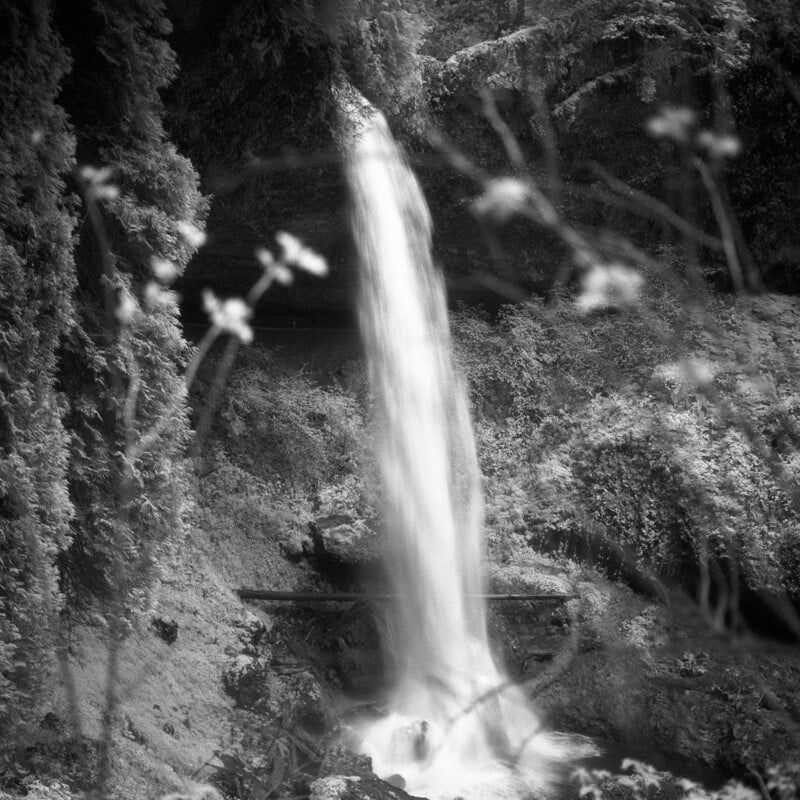
Using an R72 filter, however, introduces a set of technical challenges that require a more deliberate approach to photography. Because these filters are nearly opaque to the human eye, they effectively "blind" most internal light meters. As a result, TTL metering is rarely an option. Photographers must instead meter the scene without the filter—using either the camera’s internal meter or a handheld device—and then manually calculate the filter factor. Experience suggests that bracketing exposures is the safest way to ensure success with an R72 filter. While a compensation of +6 stops often yields excellent results, the unpredictable nature of infrared light means that taking an additional exposure at +8 stops serves as a valuable insurance policy.