For the professional videographer or the dedicated social media creator, the introduction of Apple’s ProRes format was a transformative moment, providing a level of post-production flexibility previously reserved for high-end cinema cameras. However, the reality of shooting in ProRes 4K at high frame rates like 60 fps or 120 fps is a logistical nightmare for internal storage. A single minute of such footage can consume upwards of 7 GB, meaning that even a flagship iPhone with 1TB of internal space can be rendered "full" in less than two hours of active shooting. This bottleneck has made external storage solutions not just a luxury, but a fundamental necessity for anyone serious about mobile film production.
The timing of this technological demand has coincided with a particularly volatile period in the global hardware market. As of 2026, the cost of solid-state drives (SSDs) has soared to unprecedented levels. This price hike is largely attributed to the insatiable demand from AI-focused data centers, which have prioritized the acquisition of high-speed NAND flash memory to support massive large language models and real-time data processing. This industrial hunger has squeezed the consumer market, making high-capacity, high-speed portable storage significantly more expensive than it was just a few years ago.
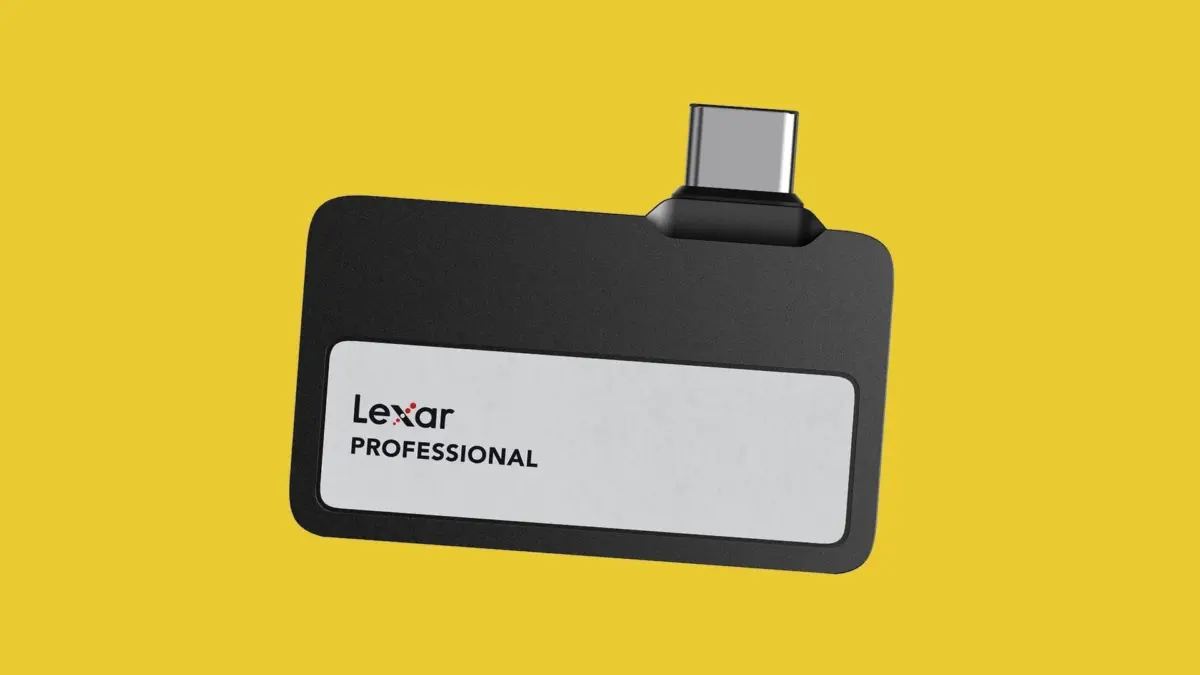
In this climate of rising costs, finding a high-performance drive at a reasonable price has become a rare occurrence. However, a significant opportunity has emerged at B&H Photo, where the Lexar Professional Go Portable SSD is currently seeing a substantial price reduction. Usually retailing for $379.99, the 1TB version of this specialized drive is currently available for $229.99. This represents the lowest price point recorded since the major memory market fluctuations began earlier this year, offering a much-needed reprieve for creators who have been priced out of professional-grade storage solutions.
The Lexar Professional Go is not merely a standard portable drive with a USB-C connector; it is a modular storage accessory specifically engineered for the unique ergonomics of mobile filmmaking. While it is compatible with any USB-C equipped device, including Android smartphones and laptops, its design philosophy is clearly aimed at the iPhone Pro user. Its physical footprint is remarkably small, allowing it to be plugged directly into the bottom of a device without the dangling cables or bulky enclosures that typically characterize external SSD setups.
This direct-connection capability is vital for creators who use gimbals, cages, or handheld rigs. Traditional external SSDs often require awkward mounting solutions and long cables that can throw off the balance of a stabilizer or snag during a dynamic shot. The Lexar Professional Go bypasses these issues by maintaining a low profile that stays out of the way of the user’s grip and the camera’s field of view. It is designed to be "invisible" in the workflow, allowing the creator to focus on the frame rather than the hardware attached to it.
The primary technical appeal of the Lexar Professional Go lies in its ability to support direct-to-drive recording. Since the introduction of external recording capabilities in the iPhone 15 Pro series, Apple has allowed users to bypass internal memory entirely when shooting in high-bitrate formats. This is a crucial feature for the iPhone 18 Pro, which has pushed the boundaries of mobile video even further. By recording directly to the Lexar SSD, creators can offload the thermal and processing stress of writing massive files to internal storage, while also making the transfer process to a desktop editing suite as simple as unplugging the drive from the phone and plugging it into a computer.
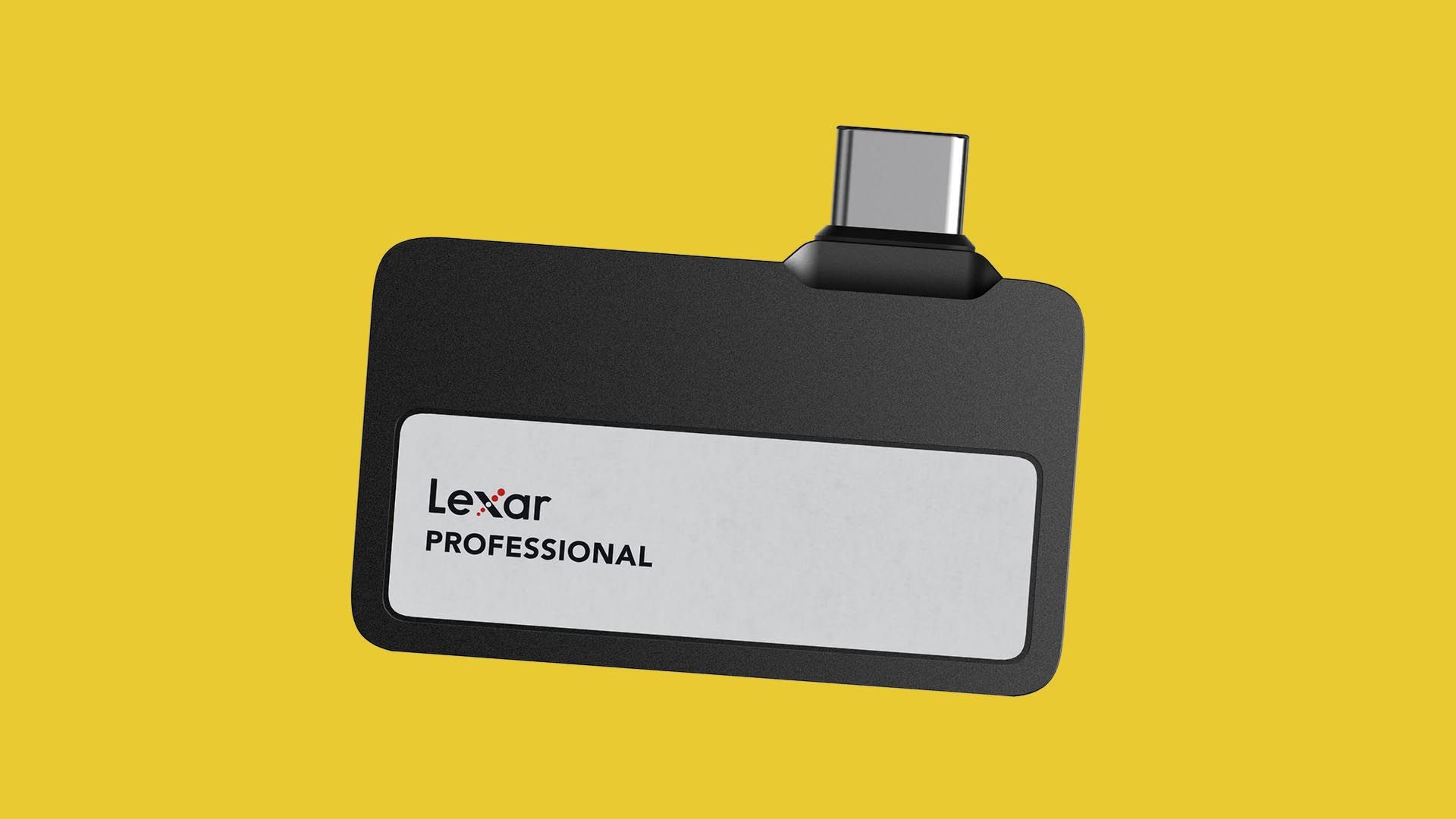
The modularity of the Lexar system is another significant advantage. While the base $229.99 deal covers the 1TB SSD itself, Lexar has designed the unit to work within a broader ecosystem. For an additional $20, users can opt for a version that includes a specialized hub. This hub is a critical accessory for professional shoots, as it provides a passthrough charging solution. One of the long-standing issues with using external USB-C storage on a smartphone is that it occupies the only port available for charging. On a long shoot day, the battery drain from powering the screen, the sensor, and the external drive simultaneously can be significant. The Lexar hub allows creators to connect an external power bank or wall charger to the phone while the SSD is in use, ensuring that the production doesn’t have to stop for a recharge.
Beyond the 1TB model, the 2TB versions of the Professional Go are also seeing various discounts, providing an option for those whose projects require even more overhead. In the world of 4K 120 fps recording, that extra terabyte can be the difference between finishing a day of shooting on a single drive or having to swap media mid-scene. The reliability of these drives is also a factor in their professional standing; Lexar has built a reputation in the photography world through its high-performance CFexpress and SD cards, and that same focus on data integrity is evident in their portable SSD lineup.
The portability of the device, while a major selling point, does come with a caveat for the disorganized: its minuscule size makes it easy to misplace. It is small enough to fit into the coin pocket of a pair of jeans or a small accessory pouch in a camera bag. Lexar has leaned into this "ultra-portable" identity, marketing the drive as a tool that can be carried at all times, ensuring that a creator is never caught without the storage capacity needed to capture a spontaneous high-quality shot.
The broader implications of this deal reflect the shifting landscape of digital media. We are living in an era where the "prosumer" is increasingly indistinguishable from the professional. A filmmaker today might shoot a commercial, a documentary, or high-end social content entirely on a mobile device. For these individuals, the infrastructure surrounding the camera is just as important as the camera itself. High-speed, high-capacity storage that can keep up with the write speeds required for ProRes is the backbone of this new mobile-first production model.
As the AI industry continues to exert pressure on the supply chain for flash memory, it remains unclear when, or if, SSD prices will return to their pre-2026 levels. For now, the market is characterized by these brief windows of affordability. The current reduction at B&H Photo represents one of those windows, providing a path for iPhone 18 Pro users to fully unlock the cinematic potential of their devices without the prohibitive cost that has defined the year so far.
Ultimately, the Lexar Professional Go represents a specialized solution to a very modern problem. It addresses the physical constraints of mobile hardware and the digital constraints of high-end video codecs, all while navigating a difficult economic environment for tech enthusiasts. For creators who have found their creative ambitions limited by a "Storage Full" notification, this deal offers a chance to expand their horizons—and their archives—at a price that is finally becoming accessible again. Whether used as a primary recording medium or a high-speed backup for field work, the Professional Go stands as a testament to how far mobile storage has come, and how essential it has become to the art of modern storytelling.