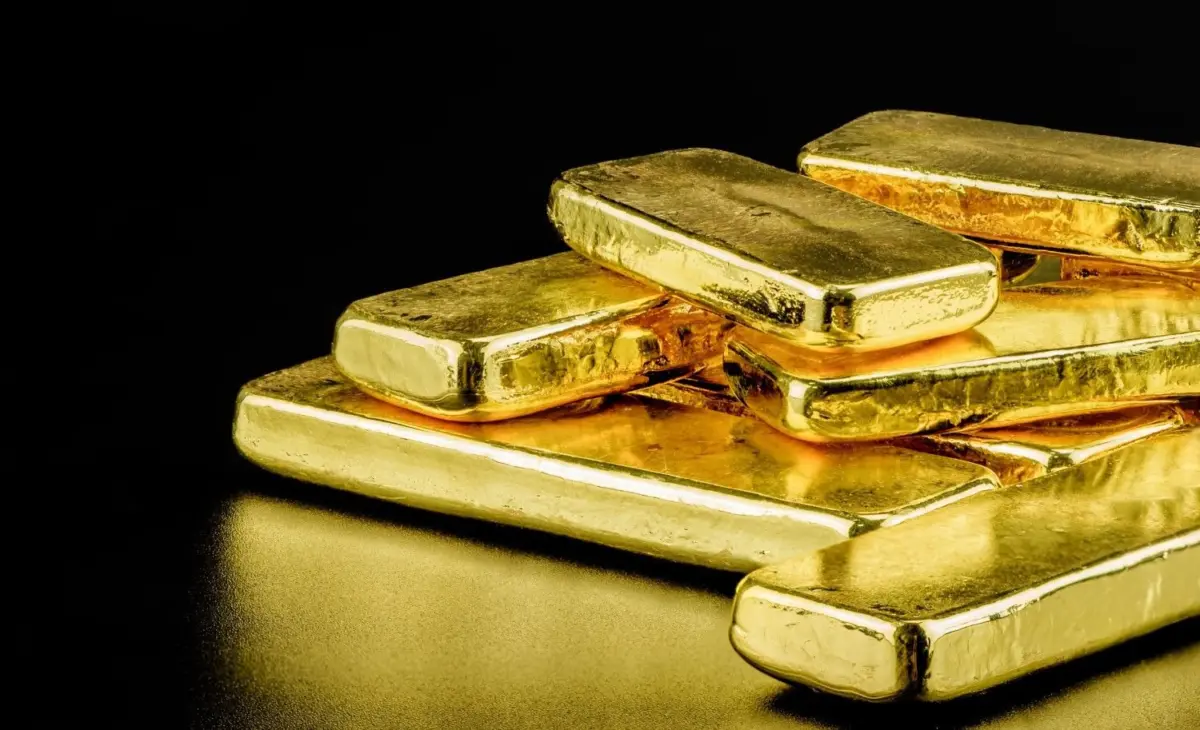
Kotecha anticipates significant demand for these products from a diverse range of participants, including individual retail investors, family offices, and large-scale institutions. Furthermore, he suggested that the ability to borrow against PAXGy could be the next logical step in the token’s lifecycle. However, this new frontier is not without its risks. Unlike traditional savings accounts, lending returns in the commodity space are not guaranteed. Potential borrower defaults or shifts in the institutional lending market could erode the value of the token, a reality that emphasizes the need for robust risk management and transparent reserve reporting.
The silver market is following a similar path, offering another gateway into the financing of precious metals. Theo, a blockchain finance platform, has introduced its thSLVR product, which passes income from institutional silver leases directly to token holders. Much like the Paxos model, this allows investors to maintain exposure to silver’s price while earning a return on the metal’s industrial and financial utility.
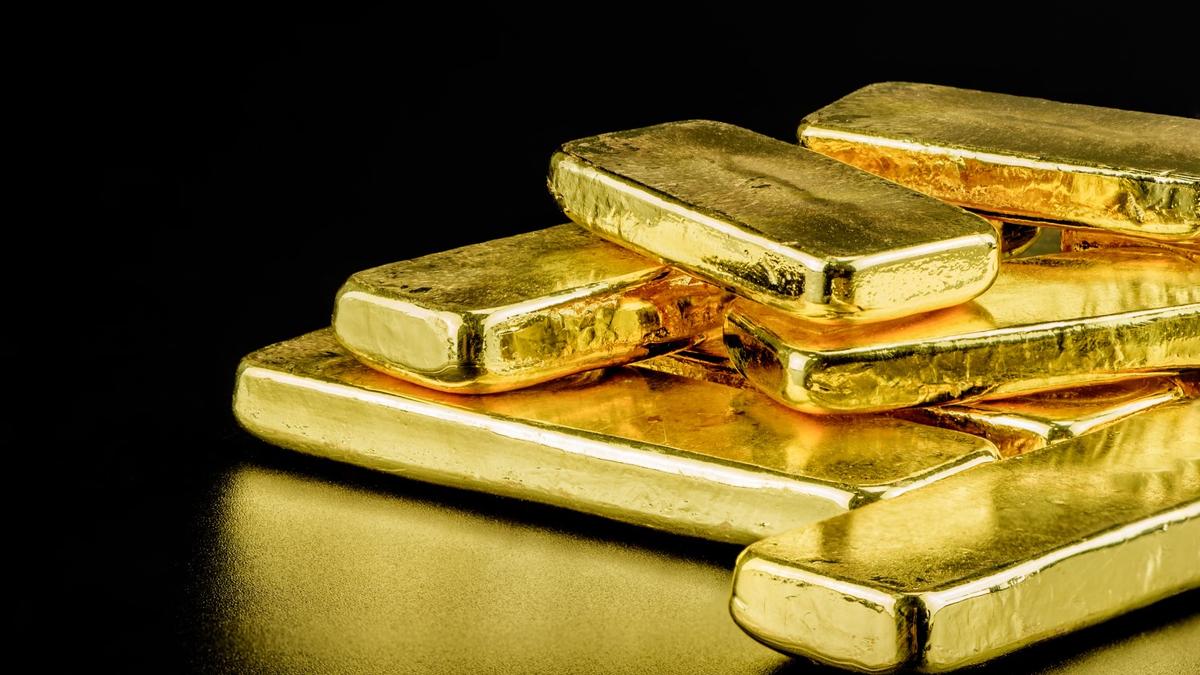
Iggy Ioppe, Chief Investment Officer at Theo, believes the growth of this market will be fueled by existing participants in the commodity lifecycle. This includes institutions looking for productive collateral, refiners seeking to finance their physical inventory more efficiently, and corporate treasuries in search of assets that offer the speed of digital settlement. Ioppe views silver as the "natural second" asset to follow gold, citing its massive industrial demand and a long-established leasing market. However, he acknowledged that silver presents unique challenges, including higher price volatility and a tighter supply of available metal for institutional leasing compared to the deep liquidity of the gold market.
Looking ahead, Ioppe is bullish on the long-term prospects of the sector. He forecasts that the tokenized commodities market will be worth tens of billions of dollars within the next five years, potentially surpassing $100 billion within a decade. By the fifteen-year mark, he expects that tokenization will no longer be viewed as a separate category of finance but will instead become a standard component of ordinary commodity settlement and global financing.
The Oil Test
While precious metals provide a stable foundation for tokenization due to their high value-to-weight ratio and ease of storage, the energy sector presents a far more complex logistical challenge. Energy Substantiation (EnSub) is at the forefront of this effort, aiming to prove that even the most cumbersome physical assets can be successfully represented on a blockchain.
On October 2, 2026, the company expanded its WTIC token from the Ethereum network to Solana, a move intended to leverage higher transaction speeds and lower costs. Each WTIC token represents ownership of one barrel of West Texas Intermediate (WTI) crude oil, backed by verified physical inventory. This expansion is part of a broader strategy to bring transparency and liquidity to the energy markets.