The landscape of digital assets is undergoing a fundamental shift as the focus moves from speculative trading toward the tokenization of real-world assets (RWA). While gold-backed tokens have long served as the primary bridge between traditional finance and blockchain technology, a new wave of innovation is pushing the sector into more complex territories. According to senior executives from Paxos Labs, Theo, and Energy Substantiation, the future of tokenized commodities lies in transforming these assets from passive holdings into productive financial instruments, encompassing everything from silver-backed lending to the high-stakes world of crude oil inventory.
The ambition of these industry leaders is to create a broader ecosystem where blockchain networks do more than simply simplify the purchase of physical goods. By putting commodities on-chain, they aim to bridge the gap between global investors seeking yield-generating exposure and industrial businesses that require efficient inventory financing. This evolution is poised to open markets that have historically been the exclusive playground of massive institutional players, refiners, and sovereign wealth funds.
The growth trajectory of this sector provides a clear indication of its rising importance. According to data from CoinGecko, the total market capitalization of tokenized commodities reached $5.55 billion by the end of March 2026. This represents a staggering increase from the $1.43 billion recorded at the beginning of 2025. While gold-backed tokens, primarily those issued by Paxos and Tether, accounted for nearly 90% of that growth, the underlying infrastructure is now being leveraged to support a much wider array of physical assets, including silver, oil, and natural gas.
The Evolution of Gold Lending
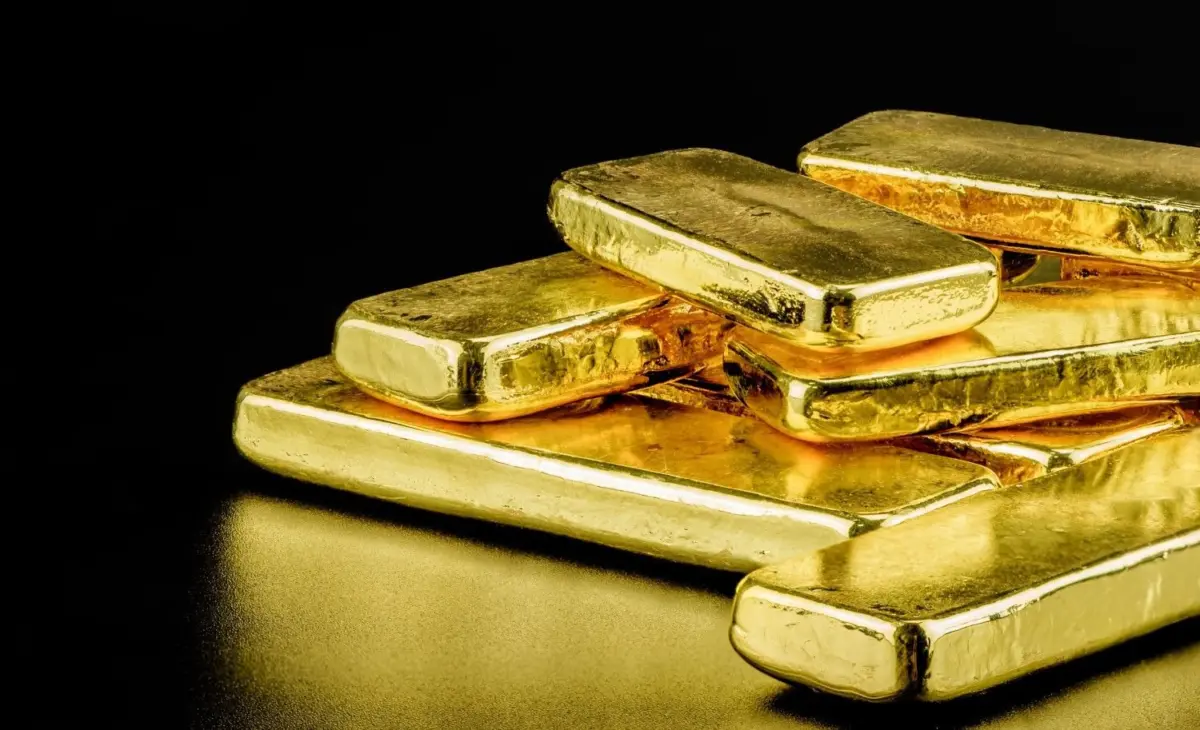
Paxos Labs, a leader in the regulated blockchain infrastructure space, is betting that the next phase of market expansion will be driven by utility rather than just ownership. For years, investors held gold-backed tokens like PAX Gold (PAXG) as a digital alternative to physical bullion or exchange-traded funds (ETFs). However, the introduction of the PAXGy token signals a move toward "productive gold."
PAXGy is backed by PAXG, but with a critical distinction: the underlying reserves are deployed to institutional borrowers. This structure allows the token to function as a yield-bearing instrument. Each token is designed to become redeemable for an increasing amount of PAXG over time as lending rates are paid back in "ounce terms." This mechanism allows holders to potentially increase their total gold holdings while maintaining full exposure to the fluctuating market price of the metal.
"The big proposition is access," Bhau Kotecha, co-founder of Paxos Labs, explained in a recent interview. He noted that the gold lending market has historically been opaque and restricted, requiring a level of scale and established banking relationships that were simply unavailable to the average investor or even many mid-sized family offices. By tokenizing the lending process, Paxos is attempting to democratize a corner of the financial world that has remained largely unchanged for decades.
Kotecha anticipates significant demand for these products from a diverse range of participants, including individual retail investors, family offices, and large-scale institutions. Furthermore, he suggested that the ability to borrow against PAXGy could be the next logical step in the token’s lifecycle. However, this new frontier is not without its risks. Unlike traditional savings accounts, lending returns in the commodity space are not guaranteed. Potential borrower defaults or shifts in the institutional lending market could erode the value of the token, a reality that emphasizes the need for robust risk management and transparent reserve reporting.
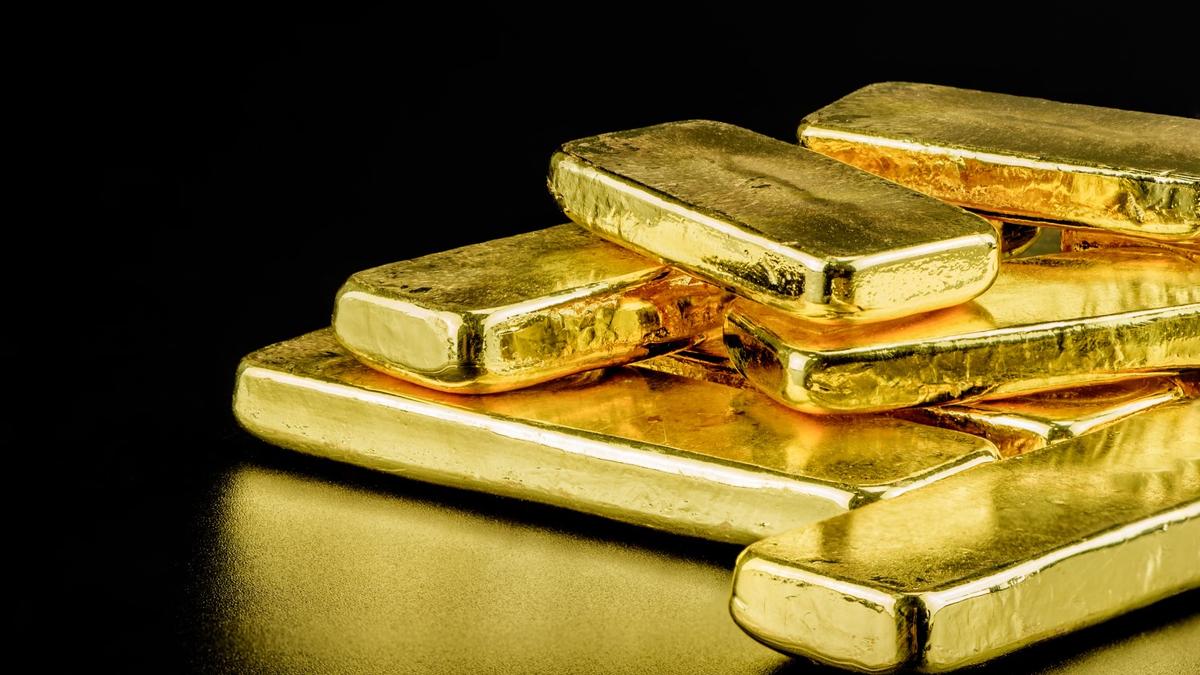
The silver market is following a similar path, offering another gateway into the financing of precious metals. Theo, a blockchain finance platform, has introduced its thSLVR product, which passes income from institutional silver leases directly to token holders. Much like the Paxos model, this allows investors to maintain exposure to silver’s price while earning a return on the metal’s industrial and financial utility.
Iggy Ioppe, Chief Investment Officer at Theo, believes the growth of this market will be fueled by existing participants in the commodity lifecycle. This includes institutions looking for productive collateral, refiners seeking to finance their physical inventory more efficiently, and corporate treasuries in search of assets that offer the speed of digital settlement. Ioppe views silver as the "natural second" asset to follow gold, citing its massive industrial demand and a long-established leasing market. However, he acknowledged that silver presents unique challenges, including higher price volatility and a tighter supply of available metal for institutional leasing compared to the deep liquidity of the gold market.
Looking ahead, Ioppe is bullish on the long-term prospects of the sector. He forecasts that the tokenized commodities market will be worth tens of billions of dollars within the next five years, potentially surpassing $100 billion within a decade. By the fifteen-year mark, he expects that tokenization will no longer be viewed as a separate category of finance but will instead become a standard component of ordinary commodity settlement and global financing.
The Oil Test
While precious metals provide a stable foundation for tokenization due to their high value-to-weight ratio and ease of storage, the energy sector presents a far more complex logistical challenge. Energy Substantiation (EnSub) is at the forefront of this effort, aiming to prove that even the most cumbersome physical assets can be successfully represented on a blockchain.
On October 2, 2026, the company expanded its WTIC token from the Ethereum network to Solana, a move intended to leverage higher transaction speeds and lower costs. Each WTIC token represents ownership of one barrel of West Texas Intermediate (WTI) crude oil, backed by verified physical inventory. This expansion is part of a broader strategy to bring transparency and liquidity to the energy markets.
JP Thieriot, co-founder and CEO of Energy Substantiation, revealed that the company is currently developing tokens for natural gas and Brent crude. He expects a diverse range of users to gravitate toward these assets, from energy buyers looking to hedge their future costs to investors seeking direct exposure to energy prices without the complexities of the futures market. Perhaps most importantly, Thieriot sees a major opportunity for energy suppliers who need flexible working capital.
"We predict that oil tokens could account for a quarter of the global oil market within ten years," Thieriot stated. He emphasized that for commodities that are "continuously in motion"—unlike gold, which can sit in a vault for decades—the requirements for success are much higher. For an energy token to be viable, it must be backed by verifiable inventory, supported by workable custody solutions, and capable of near-instant settlement.
The executives involved in these projects differ slightly on how quickly the energy sector can catch up to precious metals. Theo’s Iggy Ioppe argued that the inherent difficulties of storage and transport make it significantly harder to build income-generating tokens for energy compared to metals. In the world of silver and gold, "leasing" the metal to a jeweler or an industrial user is a well-understood process. In the energy world, the "productive" use of the asset often involves consuming it, which requires a different approach to tokenization and inventory replacement.
Despite these hurdles, the consensus among industry leaders is that the transition is inevitable. The expansion of the market will ultimately depend on two factors: the ability to connect digital tokens to reliable, real-world physical markets and the ability to provide owners with a compelling reason to hold them beyond simple price speculation.
As the market cap for these assets continues to climb, the distinction between "crypto" and "traditional finance" continues to blur. The move toward lending and energy indicates that tokenization is moving past its proof-of-concept phase. By integrating physical inventory with the speed and transparency of blockchain networks, companies like Paxos, Theo, and Energy Substantiation are attempting to build a more efficient, accessible, and productive global commodities market. Whether these digital representations can truly capture 25% of the global oil market or reach a $100 billion valuation remains to be seen, but the current momentum suggests that the era of "static" commodity ownership is rapidly coming to an end.