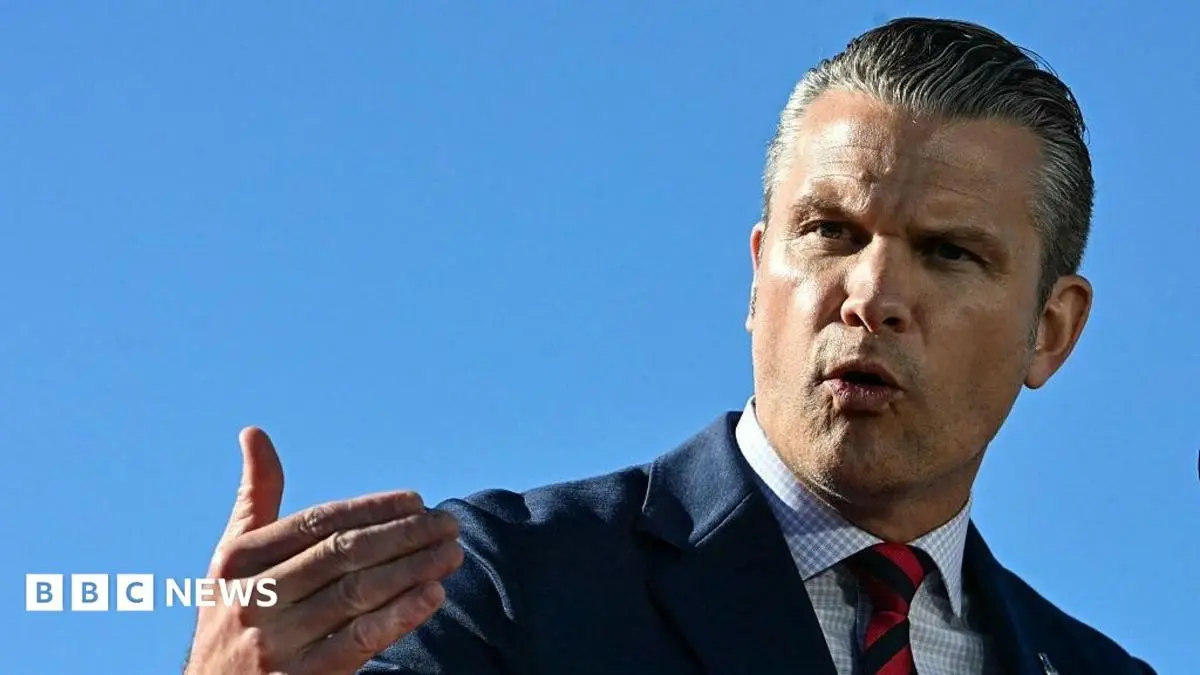
Following his return to the White House last January, President Donald Trump wasted little time in reshaping the federal government’s approach to law enforcement and criminal justice. In a swift and decisive executive action, Trump officially overturned the moratorium on federal executions that had been established by his predecessor, President Joe Biden. Along with dismantling the moratorium, Trump signed a sweeping executive order explicitly aimed at "restoring" the death penalty and "protecting public safety." This rapid policy shift marked a dramatic return to the assertive, law-and-order stance that characterized the final year of Trump’s first term in office, once again bringing the complex and highly contentious issue of capital punishment—both in the civilian federal system and the United States military—into the center of national debate.
The decision to revoke the moratorium reflects a fundamental ideological divide between successive administrations regarding the role of the ultimate penal sanction in the American justice system. The moratorium enacted under the Biden administration had functioned as a temporary halt on federal death sentences, allowing for a broader examination of the fairness, racial equity, and administrative consistency of the federal death penalty. By swiftly reversing this policy immediately upon returning to office, the Trump administration signaled that it views the death penalty not as a subject for ongoing bureaucratic review, but as an essential and active instrument of federal law enforcement. The administration’s stated rationale, centered on "protecting public safety," positions the reinstatement of capital punishment as a key deterrent against the most severe federal crimes.
This immediate return to