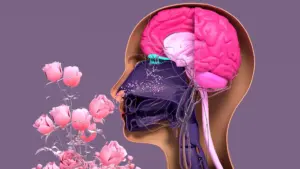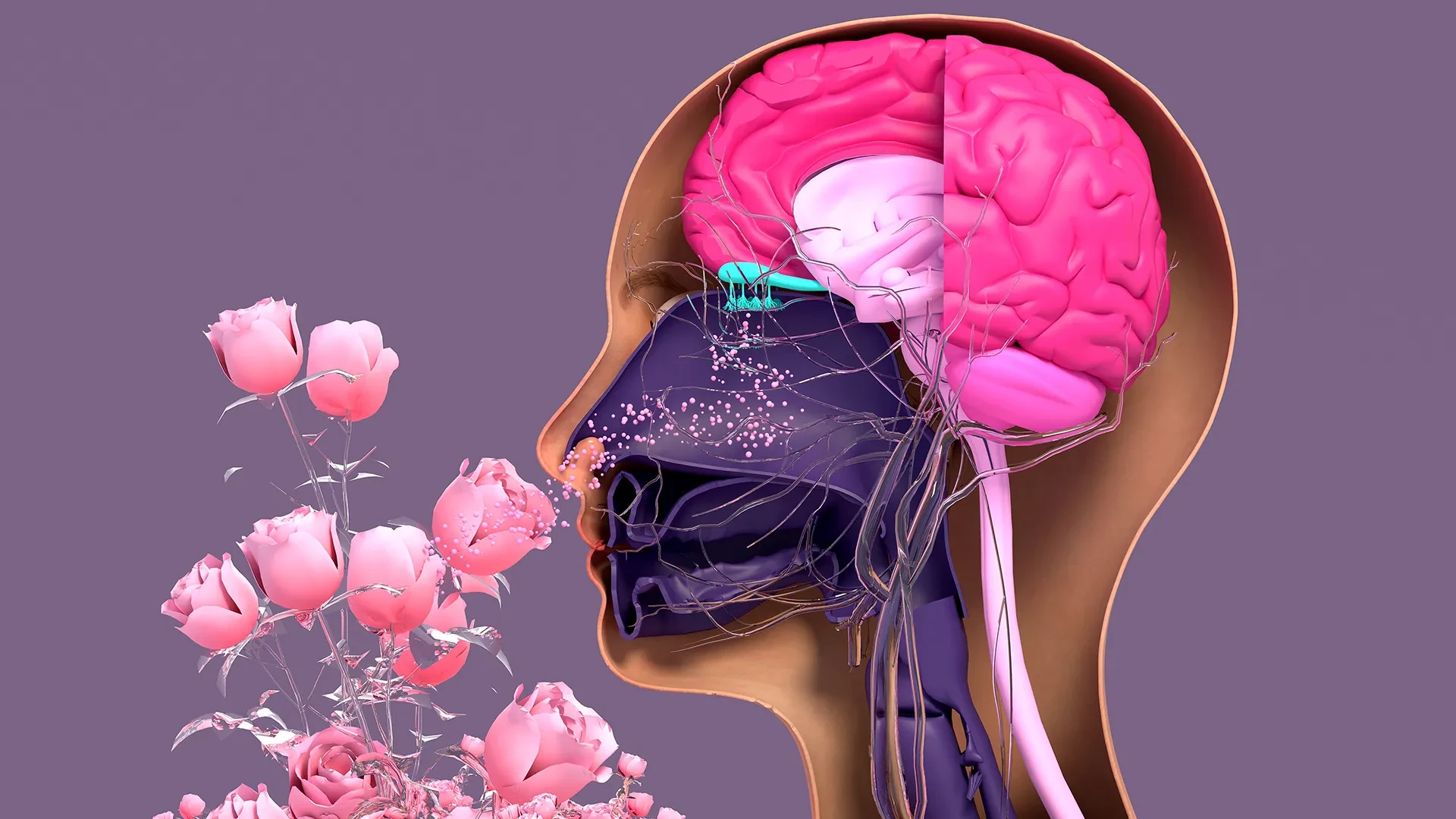
This model allows researchers to grow "mini-noses" in a dish, providing a controlled environment to test how various toxins, viruses, or drugs affect the stem cells and their ability to produce neurons. Because it is 3D, it captures the physical interactions between different cell layers, a critical factor that 2D Petri dish models often fail to replicate.
Next Step: A Human Organoid
While the mouse model has provided a wealth of new information, the researchers are already looking toward the ultimate prize: a human olfactory organoid. The transition from animal models to human tissue is a standard but difficult hurdle in biomedical research.
The potential for a human version of this model is vast. It would allow scientists to perform high-throughput screening of drugs to treat people suffering from chronic smell loss. Currently, treatments for anosmia are limited and often involve corticosteroids, which may not address the underlying failure of the stem cell population. A human organoid could be used to find compounds that specifically stimulate HBCs or GBCs to resume their regenerative work.
Furthermore, organoids represent a more ethical and efficient alternative to traditional research. They can make pre-clinical trials quicker and less expensive than using whole animal models, and they are often more accurate than existing human cell lines that have been modified to grow indefinitely in a lab.
However, creating a human olfactory organoid presents unique logistical challenges. "It’s challenging to get pure olfactory tissue from humans," Lin says.
In a clinical setting, obtaining these cells requires a procedure where an individual is anesthetized, and a brush—similar to the swabs used for COVID-19 testing but designed to reach much deeper—is inserted into the uppermost part of the nasal cavity. The primary difficulty lies in the fact that the human nose contains a mix of respiratory tissue (which helps us breathe) and olfactory tissue (which helps us smell). In the samples collected via brushing, the stem cells from these two different types of tissue are often mixed together and are notoriously difficult to separate.
The Tufts research team’s next major challenge is to refine their techniques to isolate these human olfactory stem cells from their respiratory counterparts. Once separated, they must then find the right "recipe" of nutrients and growth factors to coax them into forming a 3D organoid in the lab.
The successful development of a human model would bridge the gap between basic laboratory science and clinical treatment. For millions of people worldwide whose lives have been dampened by the loss of smell—whether through the long-term effects of a virus, the progression of neurodegenerative disease, or simply the passage of time—this research offers a glimmer of hope that the "dormant" healers within their own bodies might one day be awakened.