While the healthcare sector provides a clear example of concentrated impact, the work being undertaken by local government demonstrates the sheer scale and complexity that these decarbonisation frameworks can manage. Westminster City Council is currently in the midst of delivering a massive £23 million programme aimed at modernising its urban infrastructure. This initiative spans 183 individual projects, showcasing the logistical coordination required to implement green technology across a dense, historic city environment. A key component of this work involves the replacement of nearly 10,000 traditional lighting units with high-efficiency LEDs. While lighting may seem like a simple upgrade, at this scale, the cumulative impact on energy consumption and maintenance costs is transformative for a local authority’s balance sheet.
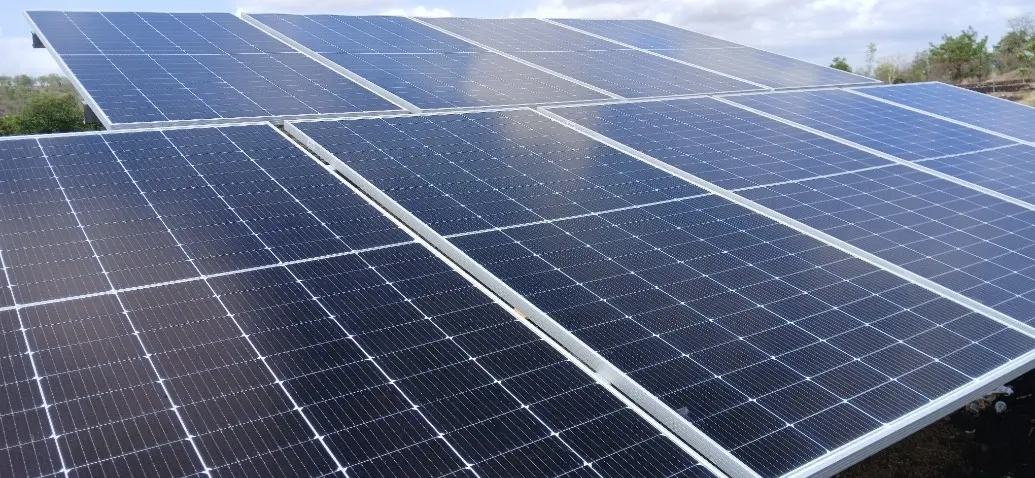
The higher education sector is also playing a pivotal role in this national effort. Aberystwyth University has recently completed a series of energy improvements across 20 of its buildings, demonstrating how academic institutions can lead by example. The university’s approach combined building-level efficiency with large-scale renewable energy generation, including the development of a 2.5MW solar farm and the integration of heat pumps to decarbonise its heating systems. By generating its own clean electricity and reducing its reliance on fossil fuels for heating, the university is not only lowering its carbon footprint but also insulating itself from the volatility of global energy markets, ensuring that more of its funding can be directed toward research and teaching.
The technological diversity of these projects is a testament to the evolution of the energy sector. In the early years of the framework, many projects focused on "low-hanging fruit" such as LED lighting and basic insulation. However, as the UK moves toward its 2050 net-zero target, the complexity of the interventions has increased. Rooftop solar is now frequently paired with battery storage systems, allowing buildings to capture energy during the day and use it during peak evening hours. Similarly, the transition from gas boilers to heat pumps represents a fundamental shift in how public buildings are heated, requiring sophisticated building management systems to ensure that these new technologies operate at peak efficiency. These systems act as the "brain" of a building, constantly monitoring and adjusting energy use to match occupancy and external weather conditions, ensuring that no kilowatt of energy is wasted.
One of the most significant recent developments within the RE:FIT programme is the introduction of a direct award route. This procurement innovation is designed to address one of the primary hurdles in public sector projects: the time and complexity of traditional tendering processes. By allowing organisations to award contracts directly to proven delivery partners, the framework can significantly speed up the transition from the planning stage to on-site construction. This accelerated route requires delivery partners to proactively develop investment proposals that meet the specific needs of the client, ensuring that the projects are not only fast-tracked but also high-quality and tailored to the unique constraints of each site.