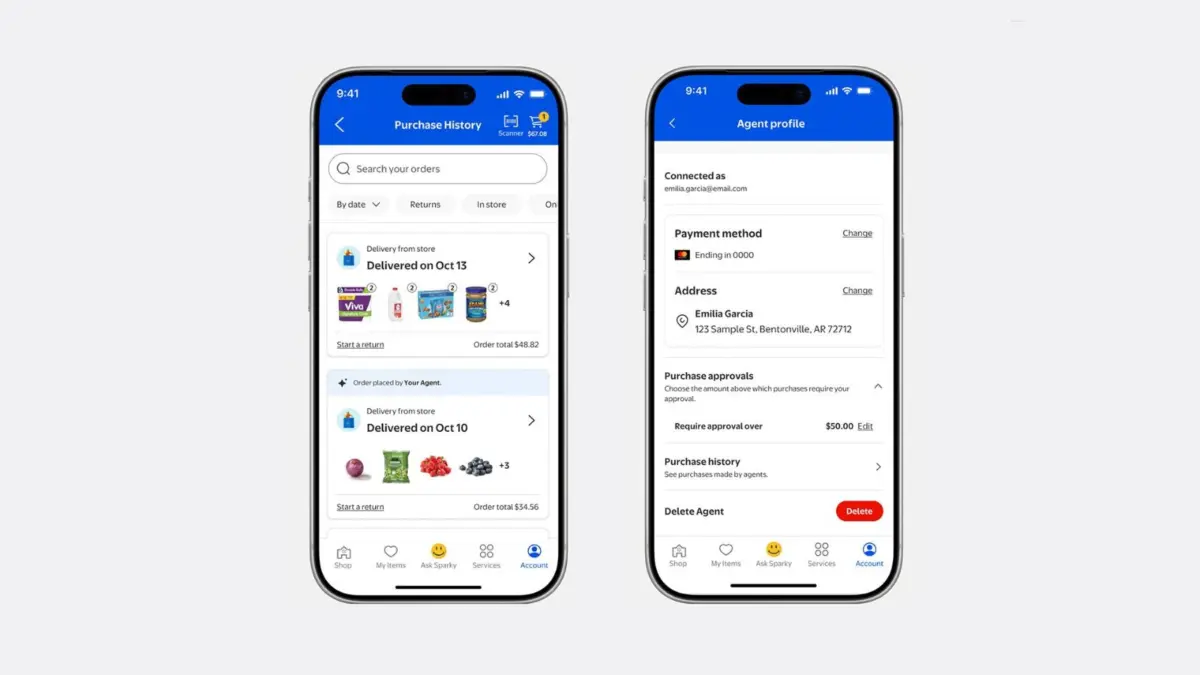
The concept of agentic shopping marks a departure from the "search and click" paradigm that has defined online retail for the last quarter-century. In the current model, the burden is on the consumer to navigate search results, filter through reviews, compare prices across different tabs, and manually enter payment information. AI agents promise to collapse this process. A consumer might simply tell an agent to "keep the pantry stocked with organic snacks for under fifty dollars a week" or "find the best-reviewed waterproof hiking boots available for delivery by Friday." The agent then performs the legwork, evaluating options against the user’s known preferences and the retailer’s real-time inventory.
By embracing this shift, Walmart is attempting to solve for "friction," the industry term for any obstacle that slows down or prevents a purchase. If an AI agent can handle the mundane and repetitive aspects of shopping, the barrier to completing a transaction drops significantly. For a retailer of Walmart’s scale, even a minor reduction in friction across millions of customers can lead to a substantial increase in total transaction volume.

Furthermore, Walmart’s open-door policy toward third-party agents could have profound implications for the retail media landscape. Currently, retailers like Walmart and Amazon generate significant revenue by selling "sponsored" placements to brands. When a human searches for "detergent," the first few results are usually paid advertisements. However, an AI agent may not be influenced by visual advertisements in the same way a human is. An agent might be programmed to prioritize the lowest unit price, the fastest delivery time, or the highest average rating regardless of ad spend. By creating a formal portal for these agents, Walmart may be looking for ways to integrate its retail media offerings into the data feeds that these agents consume, ensuring that it can still influence the "decision-making" process of the software.
The contrast with Amazon’s recent actions highlights two very different philosophies regarding the future of the internet. Amazon’s decision to block Meta’s Muse suggests a belief that the customer relationship is a zero-sum game. By preventing Meta’s AI from shopping on its site, Amazon is forcing users to stay within its own app or website, where it has total control over the data, the branding, and the advertising. This defensive posture is characteristic of a market leader looking to protect its territory.