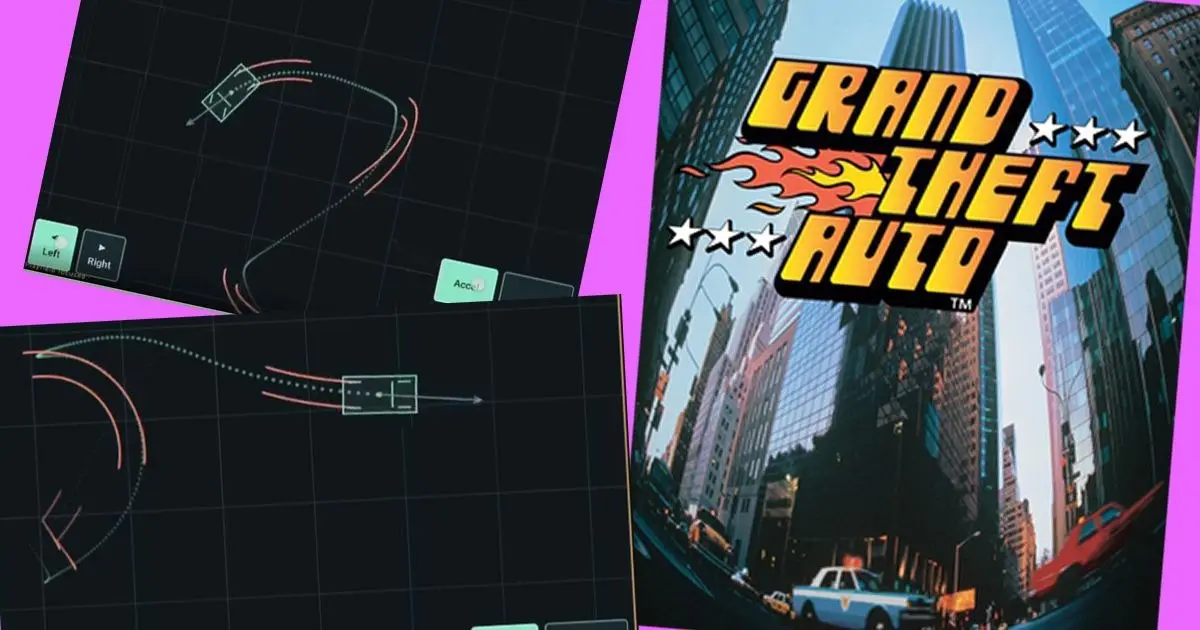
Beyond simple movement, the demo allows for a deep dive into the environmental interactions that made Grand Theft Auto feel so volatile and exciting. By pressing the ‘B’ key, users can toggle side collision barriers, seeing firsthand how the engine calculates the impact and deflection of a vehicle hitting a wall. The ‘G’ key allows for the manipulation of vertical gravity within the Ship and Brick modes, a feature that highlights how the team accounted for different axes of movement even within a predominantly 2D framework.
One of the most recognizable features of the original Grand Theft Auto was its dynamic camera system, which zoomed in and out based on the vehicle’s speed to give the player a better view of the road ahead. Kerr has preserved this mechanic in his recreation. By pressing ‘X’, users can toggle the speed-based zoom, while ‘Z’ allows for the adjustment of the camera’s "dead zone"—the area in which the car can move before the camera begins to follow it. These subtle technical choices were instrumental in making the top-down perspective feel natural and playable, preventing the player from feeling disconnected from the action.
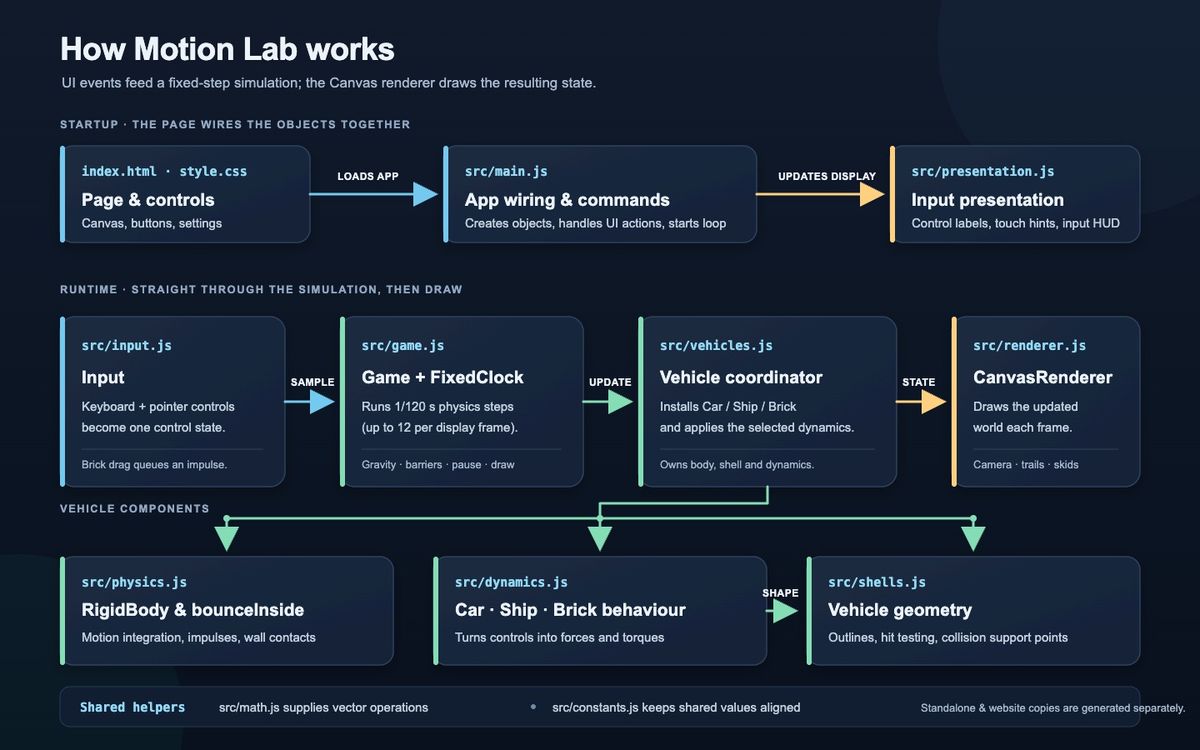
For the development community, Kerr’s website serves as more than just a trip down memory lane; it is an educational resource. In a detailed post accompanying the demo, Kerr explains the inner workings of the system, breaking down the complexities of 2D vehicle simulation. He discusses the challenges of balancing realism with playability—a hurdle that DMA Design navigated successfully to turn what was originally a dinosaur-themed racing game titled "Race’n’Chase" into the gritty, urban crime simulator that became Grand Theft Auto.
The transition from DMA Design to Rockstar North is a pivotal chapter in gaming history. Based in Dundee, Scotland, DMA Design was already famous for the puzzle-platformer Lemmings before they pivoted to the more controversial and ambitious world of GTA. The studio’s culture of innovation and their willingness to experiment with "unfocused" gameplay paved the way for the open-world genre. Patrick Kerr was a part of the team that laid these foundations, and his decision to share this simulation offers a rare bridge between the era of 16-bit experimentation and the multi-billion-dollar industry the franchise now leads.