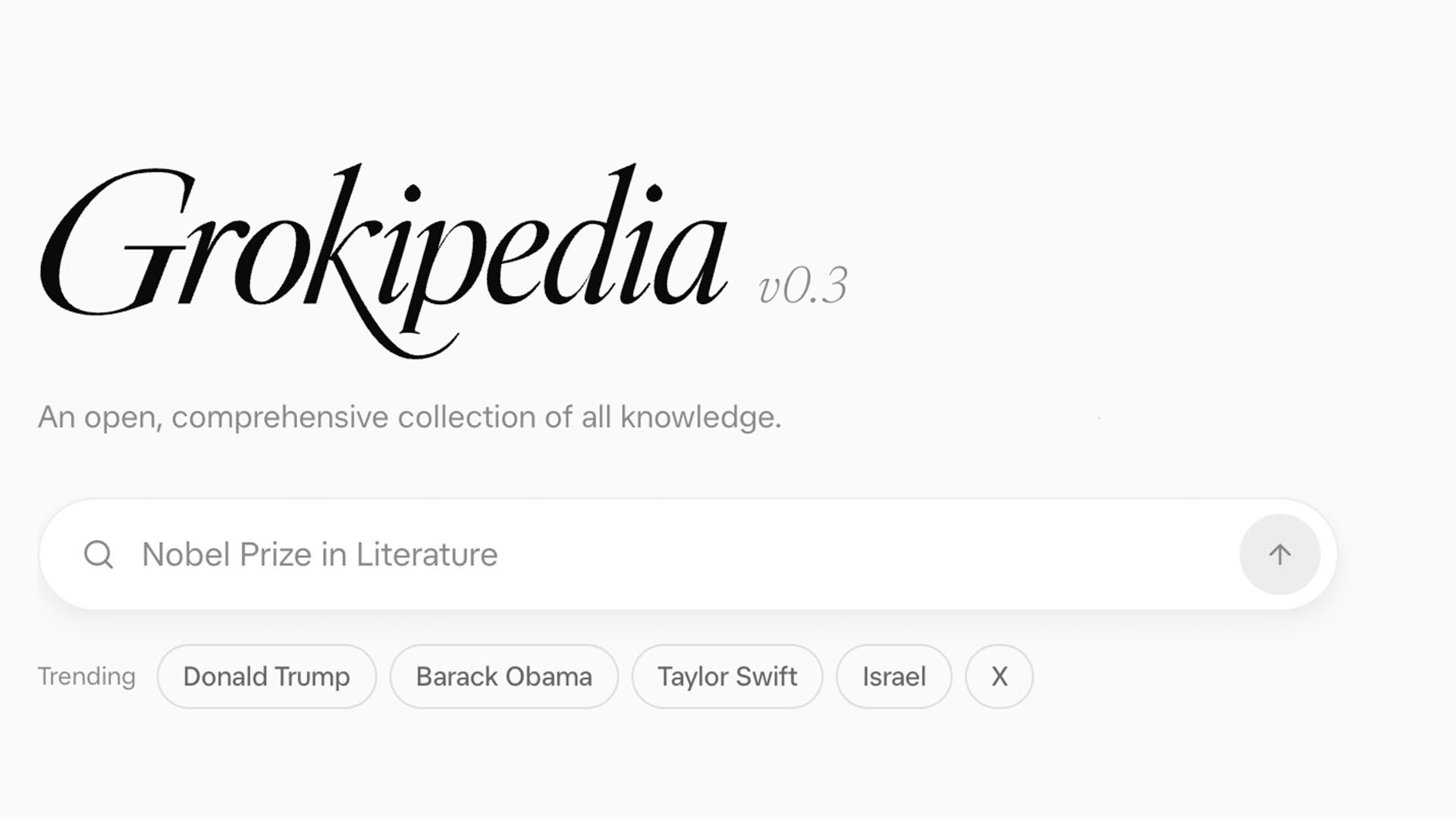
The "resurrection" of Grokipedia follows a turbulent few months. Earlier this year, the platform effectively ground to a halt, ceasing the autonomous AI-generated edits and the processing of user-submitted suggestions that were supposed to be its lifeblood. At the time, the digital community speculated that the complexities of maintaining a real-time, AI-vetted encyclopedia were proving too great even for Musk’s resources. However, the unveiling of v0.3 indicates that the hiatus was used for a fundamental redesign. The most immediate change is the introduction of a new logo, featuring a sophisticated script font that departs from the starker, more utilitarian branding often associated with Musk’s other ventures. This "swanky" new look appears to be a deliberate attempt to position Grokipedia as a more refined, authoritative alternative to the existing "backbone of the internet," Wikipedia.
At the heart of the Grokipedia v0.3 update is a revamped homepage that has been fashioned to resemble a physical library. This design choice is a notable departure from the text-heavy, list-based layouts of traditional digital encyclopedias. The new interface features interactive 3D book covers, turning digital articles into tactile-looking objects. This "library" aesthetic extends to a new "Most Read" section, where trending topics are displayed on a virtual shelf, inviting users to browse through popular knowledge as they might in a brick-and-mortar institution. Alongside this, the platform has introduced a "Latest Edits" page, which serves as a live feed of the information being added or modified. These edits are now framed as a collaborative effort between human contributors and the platform’s namesake AI, Grok, which is tasked with vetting the information before it goes live.
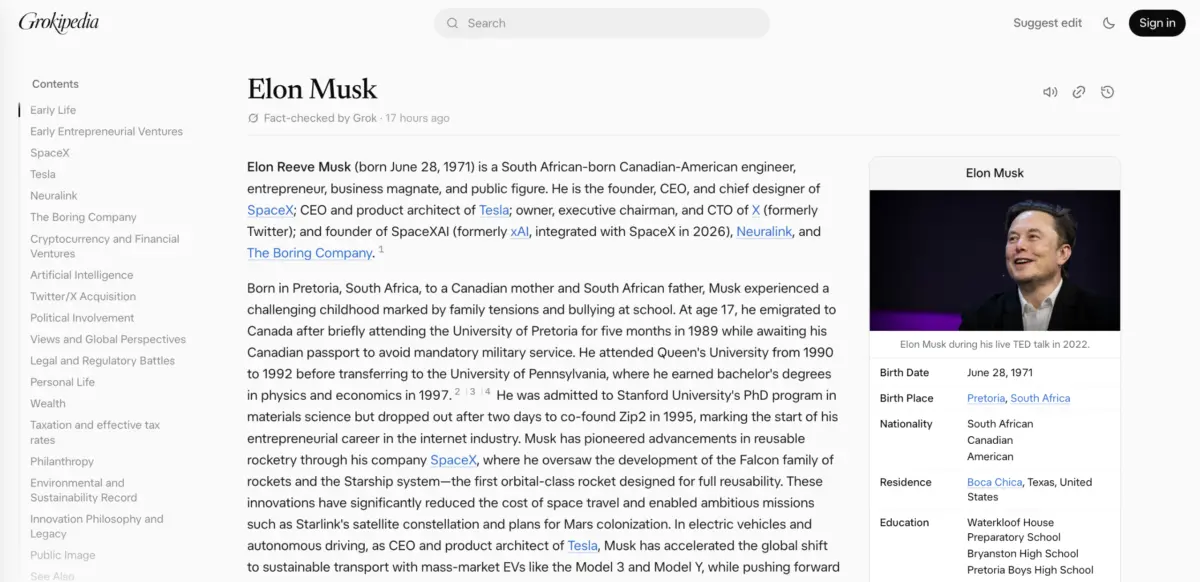
While the homepage offers a radical departure from the norm, the actual article pages within Grokipedia have undergone more subtle changes. The update introduces minimalist side tables that display key information—such as dates, locations, and biographical data—in a cleaner, more streamlined format than previous versions. However, critics have quickly pointed out that the underlying structure of these pages remains remarkably similar to Wikipedia. From the placement of the lead image to the hierarchical organization of headings and the use of "infoboxes," the UX design feels like a polished copy of the very platform it seeks to disrupt. This lack of structural originality has raised questions about whether a "slicker" coat of paint is enough to justify Grokipedia’s existence as a separate entity, especially when the basic presentation of facts remains so closely tied to the Wikipedia model.
The history of Grokipedia is relatively short but marked by rapid shifts in strategy. The project was born in late October 2025, initially launching with a massive database of AI-cloned Wikipedia pages. This foundation allowed the platform to instantly offer a vast breadth of information, but it also invited immediate criticism regarding the legality and ethics of such a wholesale "cloning" process. By November, the v0.2 update arrived, signaling an attempt to move beyond simple duplication by introducing more autonomous AI features. However, this phase was short-lived. The platform eventually halted its autonomous editing functions, likely due to the inherent risks of AI "hallucinations"—where the system generates confident but entirely false information—and the difficulties of managing a user-base that was skeptical of the platform’s perceived biases.