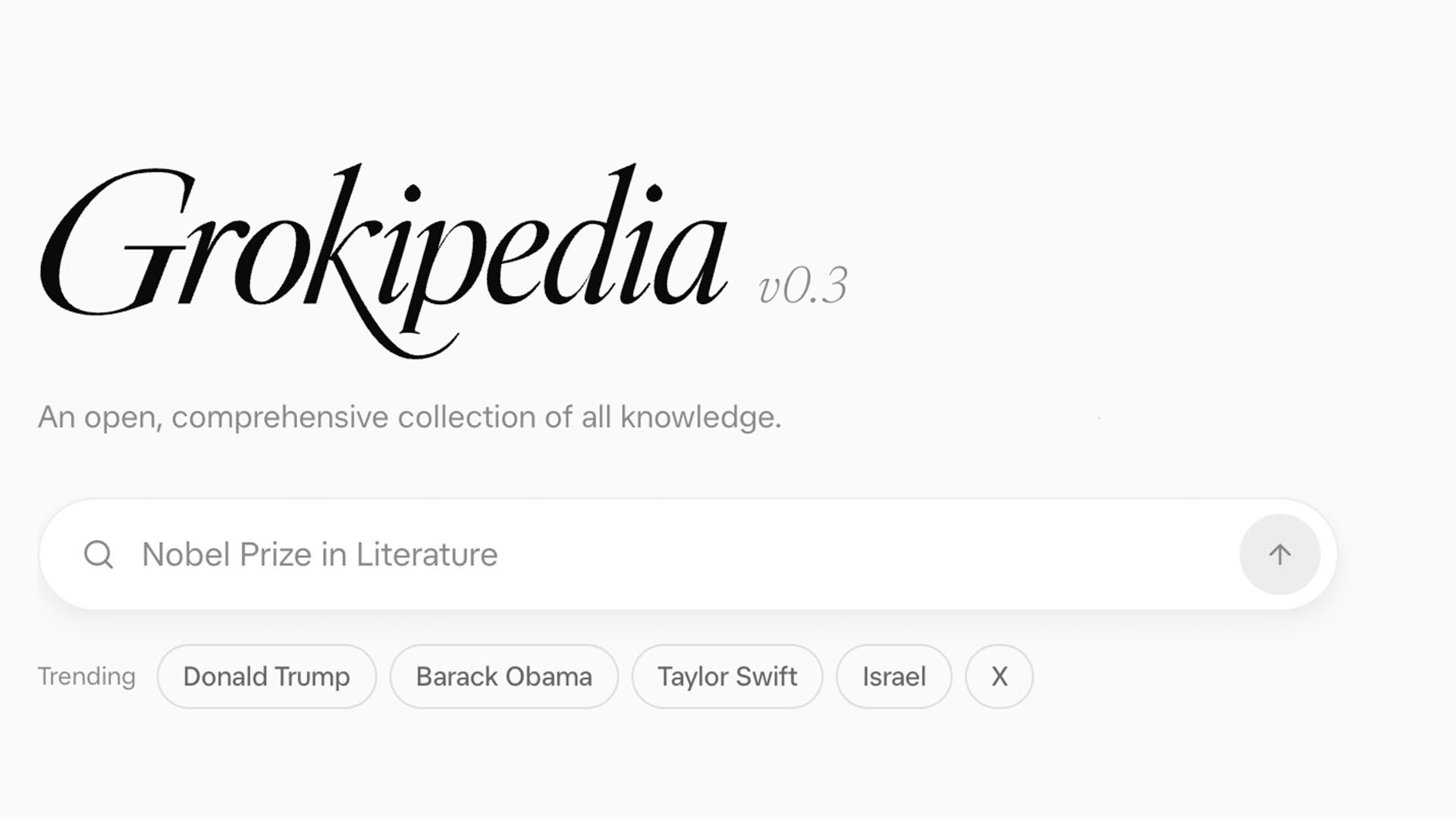
The "resurrection" of Grokipedia follows a turbulent few months. Earlier this year, the platform effectively ground to a halt, ceasing the autonomous AI-generated edits and the processing of user-submitted suggestions that were supposed to be its lifeblood. At the time, the digital community speculated that the complexities of maintaining a real-time, AI-vetted encyclopedia were proving too great even for Musk’s resources. However, the unveiling of v0.3 indicates that the hiatus was used for a fundamental redesign. The most immediate change is the introduction of a new logo, featuring a sophisticated script font that departs from the starker, more utilitarian branding often associated with Musk’s other ventures. This "swanky" new look appears to be a deliberate attempt to position Grokipedia as a more refined, authoritative alternative to the existing "backbone of the internet," Wikipedia.
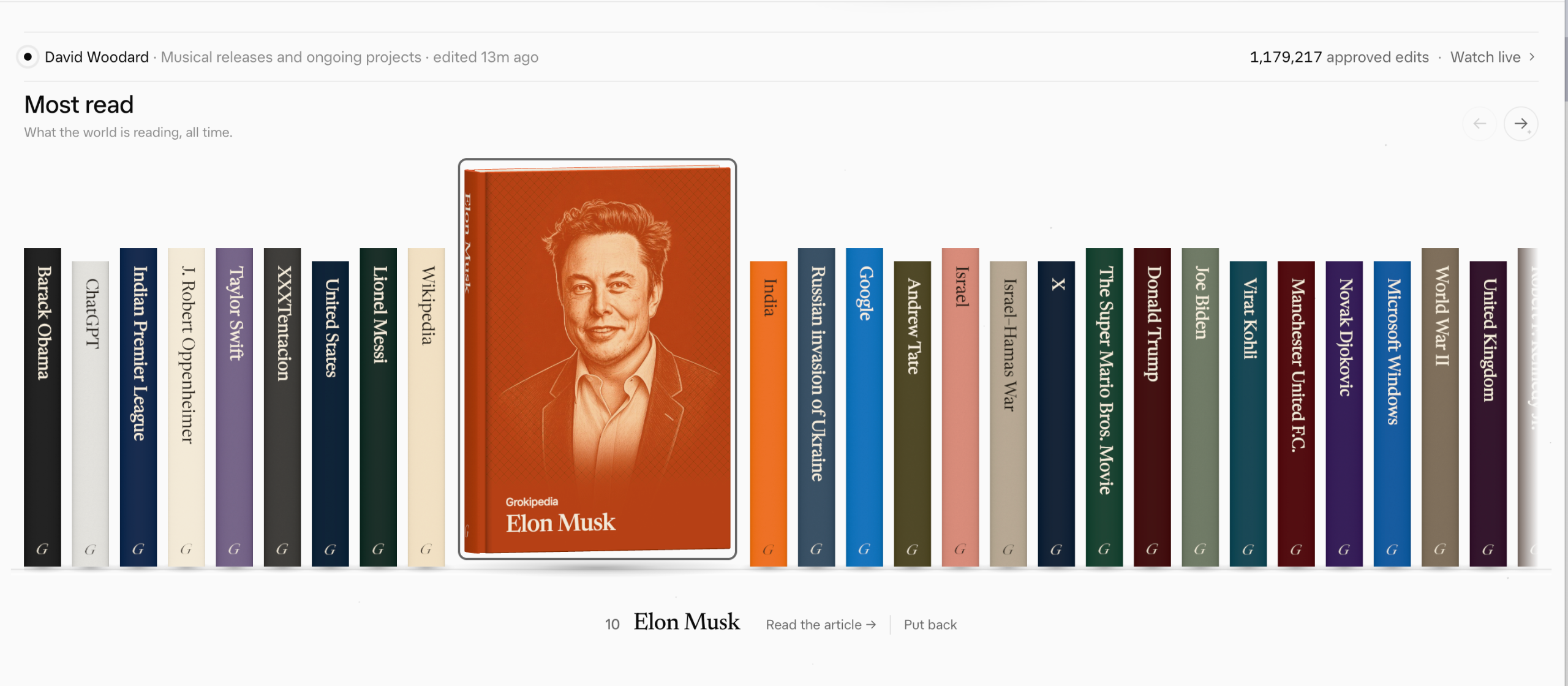
At the heart of the Grokipedia v0.3 update is a revamped homepage that has been fashioned to resemble a physical library. This design choice is a notable departure from the text-heavy, list-based layouts of traditional digital encyclopedias. The new interface features interactive 3D book covers, turning digital articles into tactile-looking objects. This "library" aesthetic extends to a new "Most Read" section, where trending topics are displayed on a virtual shelf, inviting users to browse through popular knowledge as they might in a brick-and-mortar institution. Alongside this, the platform has introduced a "Latest Edits" page, which serves as a live feed of the information being added or modified. These edits are now framed as a collaborative effort between human contributors and the platform’s namesake AI, Grok, which is tasked with vetting the information before it goes live.
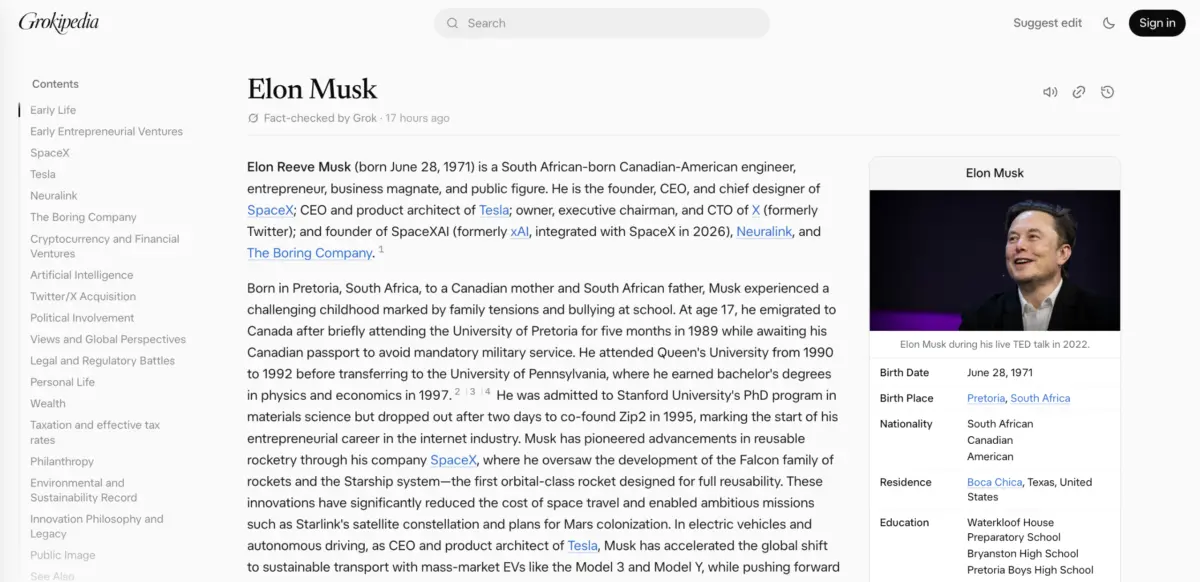
While the homepage offers a radical departure from the norm, the actual article pages within Grokipedia have undergone more subtle changes. The update introduces minimalist side tables that display key information—such as dates, locations, and biographical data—in a cleaner, more streamlined format than previous versions. However, critics have quickly pointed out that the underlying structure of these pages remains remarkably similar to Wikipedia. From the placement of the lead image to the hierarchical organization of headings and the use of "infoboxes," the UX design feels like a polished copy of the very platform it seeks to disrupt. This lack of structural originality has raised questions about whether a "slicker" coat of paint is enough to justify Grokipedia’s existence as a separate entity, especially when the basic presentation of facts remains so closely tied to the Wikipedia model.
The history of Grokipedia is relatively short but marked by rapid shifts in strategy. The project was born in late October 2025, initially launching with a massive database of AI-cloned Wikipedia pages. This foundation allowed the platform to instantly offer a vast breadth of information, but it also invited immediate criticism regarding the legality and ethics of such a wholesale "cloning" process. By November, the v0.2 update arrived, signaling an attempt to move beyond simple duplication by introducing more autonomous AI features. However, this phase was short-lived. The platform eventually halted its autonomous editing functions, likely due to the inherent risks of AI "hallucinations"—where the system generates confident but entirely false information—and the difficulties of managing a user-base that was skeptical of the platform’s perceived biases.
The skepticism surrounding Grokipedia often centers on its sourcing and the potential for editorial leanings. During its earlier phases, the platform was frequently criticized for having "thin" sources, with articles sometimes lacking the robust citation networks that define Wikipedia’s reliability. Furthermore, given Musk’s vocal critiques of "traditional" media and his own stated goals for Grok—the AI model behind the platform—there have been persistent concerns that Grokipedia might favor a specific ideological perspective. The new v0.3 update attempts to address some of these concerns by emphasizing the "vetting" process performed by Grok. By positioning the AI as a curator and fact-checker for human-submitted edits, the platform is betting on the idea that an AI-driven editorial board can provide a faster, more objective alternative to the human-led consensus model used by Wikipedia.
Despite the slick new interface and the interactive 3D elements, the fundamental challenge for Grokipedia remains its ability to compete with the sheer scale and institutional trust of Wikipedia. Wikipedia is more than just a website; it is a global community of editors and a non-profit institution that has spent decades building a reputation for transparency, even if it is not without its own flaws. For many, Wikipedia is the "internet backbone," a primary source of truth that is integrated into everything from search engine snippets to academic research. Musk’s Grokipedia, by contrast, is seen as a corporate-driven alternative that, while technologically advanced, lacks the grassroots legitimacy of its predecessor. The "facelift" in v0.3 may improve the user experience, but it does not necessarily solve the problem of information provenance.
The design philosophy behind Grokipedia’s latest update can be seen as part of a broader trend in Musk’s recent ventures, where aesthetics and branding are used to signal a "new era" of technology. Similar to the recent rebranding of SpaceXAI and other Musk-led initiatives, there is a clear focus on creating a visual language that feels "premium" and forward-thinking. The use of a script font for the logo, for instance, suggests a return to a more "human" or "classic" form of communication, perhaps to counter the cold, robotic reputation that AI projects often carry. Yet, this focus on design often draws comparisons to other Musk projects where the branding is strikingly familiar or derivative of existing concepts. In the case of Grokipedia, the tension between the "swanky" new design and the unoriginal article layout highlights the difficulty of truly innovating in the space of digital knowledge organization.
As Grokipedia v0.3 rolls out, the tech world is watching to see if the platform can move beyond its reputation as a "Wikipedia clone" and become a viable tool for information discovery. The inclusion of a "Latest Edits" page vetted by Grok suggests a shift toward a more active, real-time encyclopedia that can keep pace with breaking news faster than traditional human-edited sites. However, the success of this model depends entirely on the accuracy and neutrality of the Grok AI. If the system continues to struggle with the "thin sources" and bias that plagued its earlier versions, no amount of 3D book covers or minimalist side tables will be enough to win over a skeptical public. For now, the platform remains an intriguing, if controversial, experiment in how artificial intelligence might reshape our access to the world’s information.
The return of Grokipedia also occurs within a wider context of Musk’s ongoing disputes with established digital platforms and his efforts to promote "online democracy" through his own ecosystem of tools. Recent ad campaigns and public statements from Musk have frequently targeted the leadership of other tech giants, such as Mark Zuckerberg and Jeff Bezos, accusing them of stifling free speech or maintaining "woke" biases in their information systems. Grokipedia is clearly intended to be a pillar of this alternative ecosystem—a place where information is supposedly "freed" from the constraints of traditional editorial oversight. However, the irony of using a heavily "vetted" AI system to achieve this goal is not lost on observers, who note that replacing human bias with algorithmic bias may not be the democratic solution Musk claims it to be.
The 3D "library" interface of Grokipedia v0.3 is perhaps the most symbolic element of this entire reboot. By mimicking the look and feel of a physical library, the platform is attempting to borrow the gravitas and sense of permanence associated with traditional books. It is a visual promise of stability and depth in an era of ephemeral digital content. Yet, as users click through the interactive covers to find pages that still closely resemble the layout of Wikipedia, the gap between the promise of the design and the reality of the content becomes apparent. The "slick new era" for Grokipedia has certainly arrived in terms of presentation, but the platform’s journey toward becoming a genuine rival to the world’s most famous encyclopedia is only just beginning.
Ultimately, Grokipedia v0.3 represents a significant investment in the idea that design can bridge the gap between a controversial start and a mainstream future. Whether it can overcome its past "halts" and "thin sources" to become a reliable resource remains to be seen. For the time being, it stands as a high-tech curiosity—a polished, Musk-branded window into a world where AI doesn’t just help us find information, but actively decides what that information should look like and how it should be presented. As the platform continues to evolve, the tech community will be looking for more than just a "swanky" logo; they will be looking for the substance beneath the script.