As we move through 2026, a significant cultural shift is taking hold across the global consumer landscape. After nearly two decades of dominant digital transformation, the pendulum is swinging back toward the tangible. There is a palpable sense of "digital fatigue" settling into the public consciousness—a collective pining for the days before every aspect of our cultural consumption was tied to a recurring monthly subscription or an invisible cloud server. At the heart of this movement is a massive revival of interest in physical media, with vinyl record players standing as the undisputed epitome of this analog renaissance.
The return to vinyl is more than just a nostalgic trend; it is a reaction against the ephemeral nature of the streaming era. For many, the convenience of a streaming algorithm, while efficient, has begun to feel hollow. The discovery of music has been relegated to background noise, curated by lines of code rather than personal exploration. In contrast, the act of playing a record provides a tactile joy that a digital interface simply cannot replicate. From the physical weight of the sleeve and the visual artistry of the cover to the delicate ritual of placing the needle on the groove, vinyl offers a sensory engagement that turns music listening into an intentional event rather than a passive experience.
Beyond the ritual, the "warmth" of analog sound remains a primary driver for this resurgence. Audiophiles have long argued that the depth and character of a vinyl pressing offer a more authentic representation of a recording than the compressed files found on most digital platforms. In 2026, this appreciation for high-fidelity sound is no longer restricted to niche hobbyists; it has entered the mainstream. As listeners become more discerning, the desire for a richer, more organic auditory experience has led to a surge in turntable sales, ranging from entry-level units to high-end professional equipment.
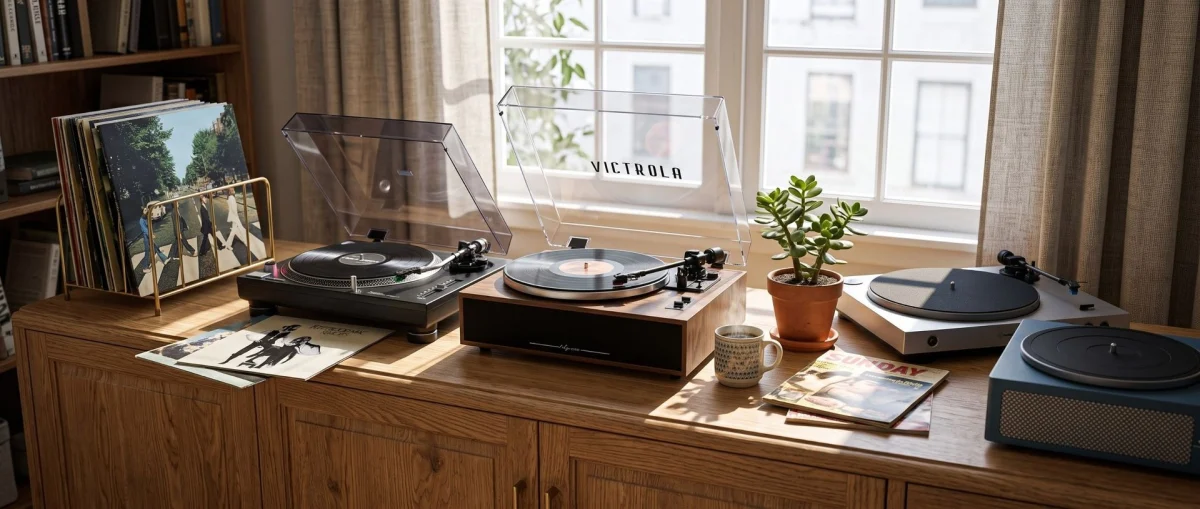
The turntable itself has also evolved into a significant piece of interior design. In a world where most technology is designed to be as thin and unobtrusive as possible, the record player stands out as a statement piece. The market in 2026 is currently filled with an array of aesthetically pleasing options that cater to every possible taste. On one end of the spectrum, there are budget-friendly gems that lean into a vintage, mid-century modern aesthetic, utilizing wood grains and classic dials to evoke a sense of history. On the other end, sleek minimalist masterpieces are capturing the attention of the design-obsessed, offering clean lines and high-grade materials that provide superior sound while doubling as modern sculpture.
This intersection of design and functionality is particularly relevant to the creative community. Designers, photographers, and video editors—professionals who spend their days crafting visual and auditory assets—often find that the physical nature of vinyl complements their creative sensibilities. The attention to detail required to maintain a record collection mirrors the precision required in professional creative work. For those who work in branding and production, the turntable is not just a tool for playback; it is an inspiration, representing a commitment to craftsmanship and the enduring power of physical objects.