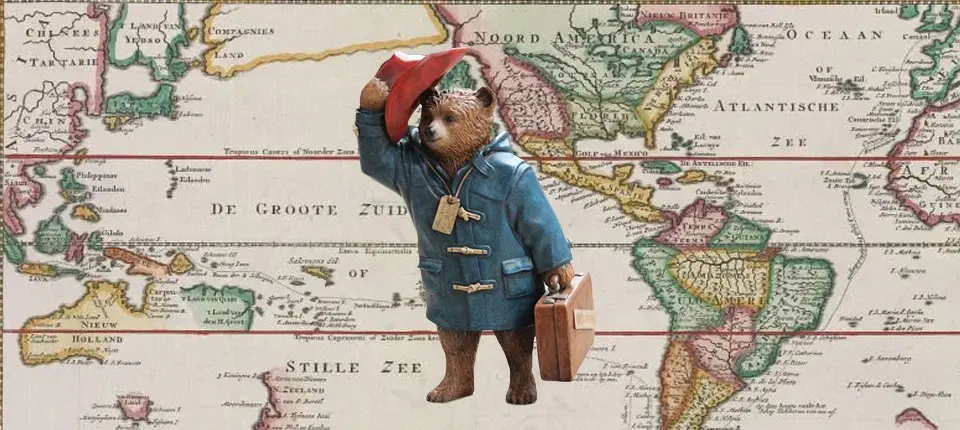
The character of Paddington also carried a deeper, perhaps unintentional, resonance for the time. Michael Bond later reflected on how the image of a refugee child—reminiscent of the Kindertransport trains that brought children to London during World War II—influenced the bear’s arrival. The tag around Paddington’s neck and his status as an immigrant seeking a new home gave the stories a layer of social relevance. Paddington was the ultimate "outsider" who, through his politeness and unwavering sense of right and wrong, managed to find a place in a foreign land. His relationship with Mr. Gruber, the owner of an antique shop on the Portobello Road and a fellow immigrant from Hungary, further emphasized these themes of displacement and found family.
As the years progressed, Paddington’s popularity grew far beyond the initial 1958 publication. Michael Bond continued to write about the bear for decades, eventually producing over twenty books in the main series. The character’s reach expanded into television and film, most notably the 1970s stop-motion animated series narrated by Michael Hordern, which became a staple of British childhood. In the 21st century, the character underwent a cinematic revival with the release of the Paddington films, which utilized modern technology to bring the bear to life for a new generation while maintaining the gentle spirit of the original 1958 text.
The physical location of Paddington Station has also become a site of literary pilgrimage. A bronze statue of the bear, designed by Marcus Cornish and based on Fortnum’s original drawings, stands on Platform 1, marking the spot where the Browns first encountered their new family member. For travelers from around the world, the station is no longer just a transport hub but a landmark of English literature, a testament to the power of Bond’s creation. The image of Paddington at the station, often associated with the Oast House Archive, remains one of the most recognizable icons of London life.
In the contemporary era, Paddington has become more than just a fictional character; he has become a cultural ambassador. His association with the British Royal Family was cemented during the Queen’s Platinum Jubilee in 2022, when he appeared in a filmed sketch sharing tea and marmalade sandwiches with Queen Elizabeth II. The moment was a celebration of two British icons, highlighting the bear’s status as a symbol of national identity and the values of kindness and hospitality.