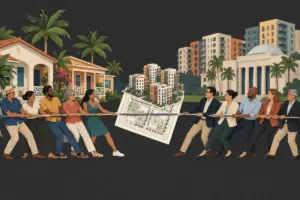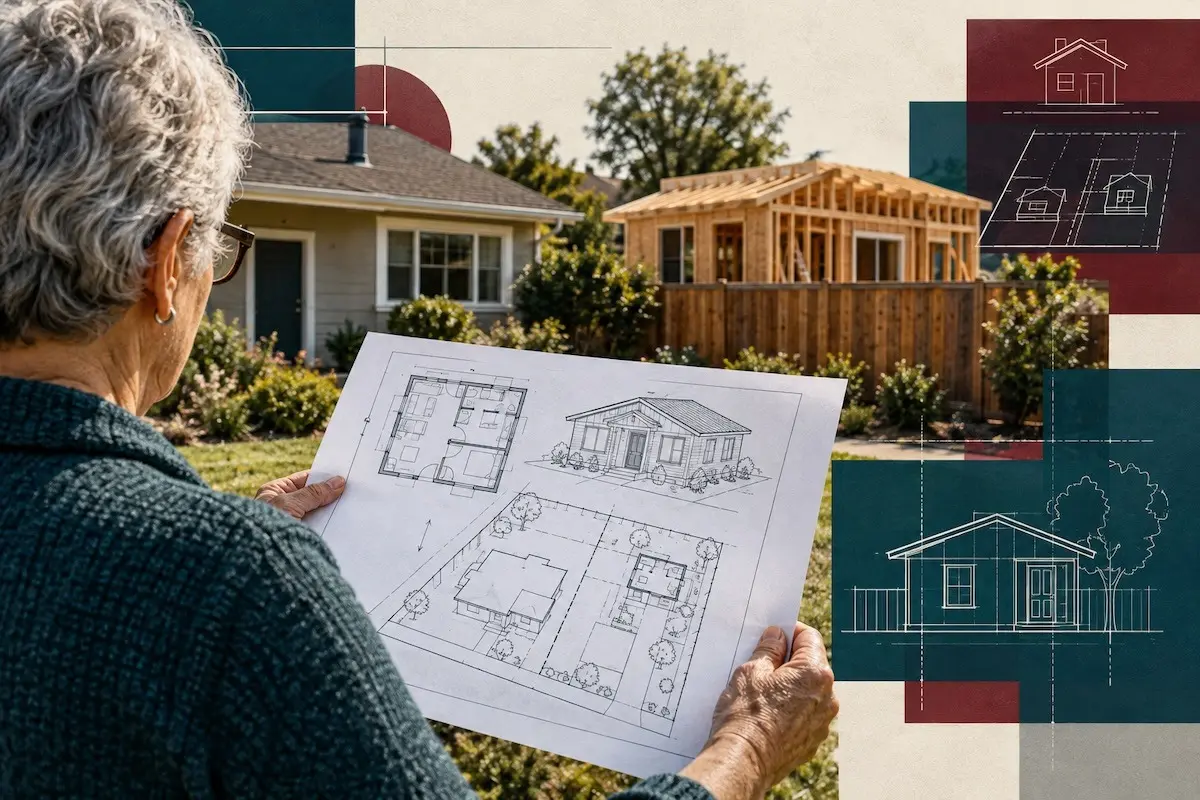
The program aims to solve a circular problem in the California housing market. When seniors remain in large homes because they have no viable or affordable local alternatives to move into, those homes never reach the market for young families. By creating a pathway for seniors to move into smaller, modern units on their own land, the county effectively unlocks "starter homes" for the next generation without requiring the senior to leave their established social networks, doctors, or community centers.
Implementation and the Role of the Program Administrator
While the concept is theoretically sound, the logistics of managing a lot split, a construction project, and a real estate sale simultaneously are daunting for any homeowner, let alone those in their 70s or 80s. Recognizing this barrier, Alameda County is seeking a dedicated program administrator.
This administrator will act as a guide and project manager for the participants. Their role will involve helping seniors navigate the complexities of construction financing, overseeing the permitting process for the ADU, managing the legal requirements of the SB 9 lot split, and eventually assisting with the sale of the original home. The county plans to use construction loans as a bridge; the debt incurred to build the ADU would be repaid in full from the proceeds of the sale of the primary residence, leaving the senior with a debt-free home and a cash reserve.
The rollout of the program is designed to be methodical. Outreach and participant recruitment are expected to begin in early 2027. The county has set a modest but meaningful initial target of 10 ADUs in the first phase to test the workflow and identify potential legal or bureaucratic bottlenecks. If the pilot proves successful, officials aim to scale the program to 50 units within the following two years.
Navigating Emotional and Practical Obstacles
Despite the clear financial advantages, county officials acknowledge that the program faces significant cultural and psychological hurdles. For many, a home is more than an asset; it is a repository of memories and a legacy.
One of the primary obstacles is the reluctance of homeowners to sell the "family home." There is often a deep-seated desire to pass the property on to heirs. When a senior chooses to subdivide the lot and sell the main house, they are effectively liquidating a portion of that inheritance to fund their own care and lifestyle. While this provides immediate security for the senior, it requires a shift in how families view generational wealth.
There are also practical concerns regarding the future relationship between the senior and the new buyer. Under this model, the senior becomes the next-door neighbor to the person who purchased their former home. Local officials noted that this could create social friction. Buyers might feel a sense of "oversight" from a neighbor who knows every quirk of the house, while the senior might find it difficult to watch a new family make changes to a property they occupied for decades. Addressing these interpersonal dynamics will be a key part of the program’s counseling and administration phase.