Comparing Alternatives: Reverse Mortgages and Market Realities
The Alameda County program emerges at a time when other financial products for seniors are seeing mixed results. Reverse mortgages, specifically the Federal Housing Administration (FHA)-backed Home Equity Conversion Mortgage (HECM), have long been the primary tool for seniors to access home equity.
The HECM for Purchase program, for instance, allows seniors to use the proceeds from the sale of a previous home to buy a new one without the requirement of monthly mortgage payments. Similarly, proprietary reverse mortgages offered by private lenders provide options for higher-value homes that exceed FHA limits. However, industry experts note that these programs remain significantly underused. A lack of consumer awareness, coupled with a lingering stigma surrounding reverse mortgages and a lack of education among real estate professionals, has limited their adoption.
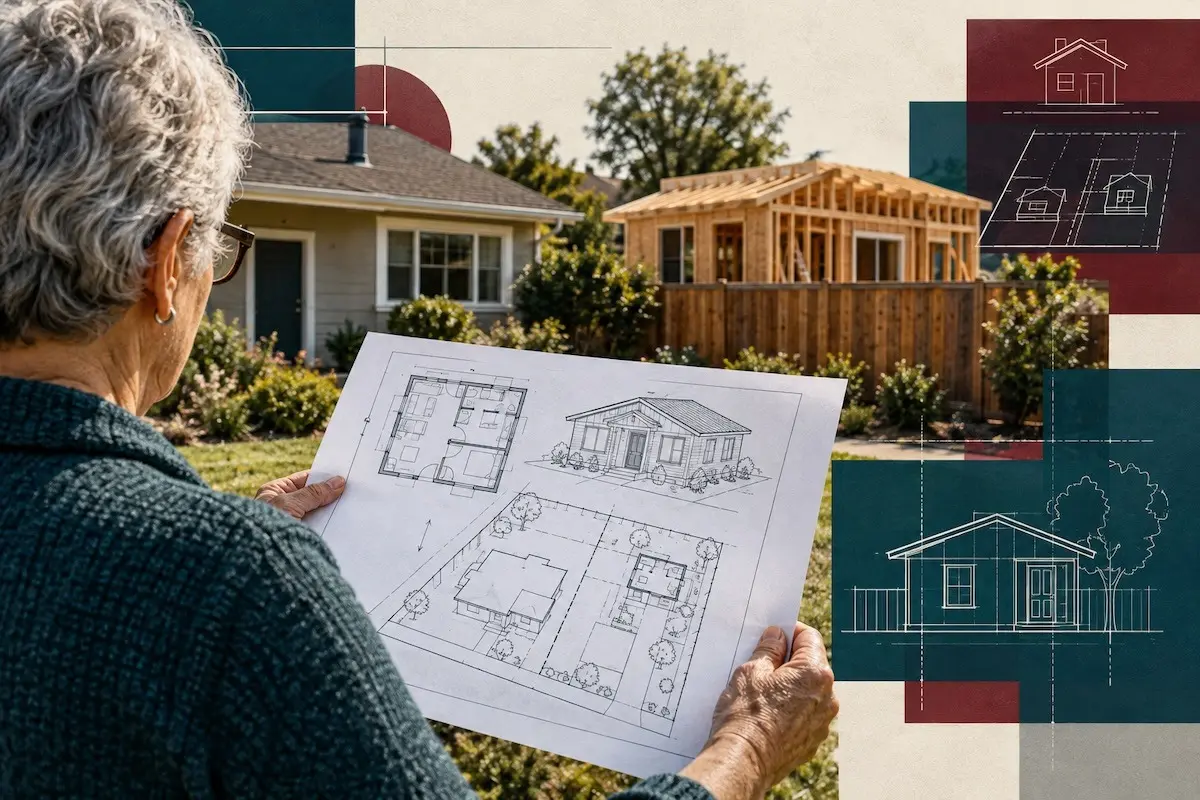
Alameda County’s initiative differs from a reverse mortgage in a fundamental way: it results in the creation of new housing stock. While a reverse mortgage helps a senior stay in their existing home, it does nothing to address the broader housing shortage. The county’s plan, by contrast, adds a new unit to the density of the neighborhood and frees up a large home for a new family, making it a policy tool for urban planning as much as a financial tool for individuals.
The Broader Context of Senior Housing Needs
The urgency of the Alameda County program is underscored by national trends. A 2024 survey conducted by AARP revealed that the vast majority of older adults prefer to remain in their homes and communities as they age. However, the survey also highlighted that housing costs are the primary driver for those who feel they may be forced to move.
The AARP findings also indicated a growing interest in alternative housing arrangements. Approximately one in four homeowners aged 50 and older reported that they have considered building an ADU. The primary deterrents cited were the complexity of the building process and the difficulty of securing financing. By providing a structured program with an administrator and a clear financial exit strategy through the sale of the primary home, Alameda County is directly addressing the two biggest hurdles identified by the AARP.
As the "Silver Tsunami" continues to reshape the American demographic landscape, local governments are increasingly being forced to innovate. If Alameda County’s pilot succeeds, it could serve as a blueprint for other high-cost jurisdictions across California and the United States. By treating the suburban lot not as a static asset, but as a flexible resource that can evolve with the life stages of its owner, the county is attempting to bridge the gap between the needs of the aging population and the demands of a modern, growing workforce.
The success of the initiative will ultimately depend on the county’s ability to simplify the legal labyrinth of lot splits and construction, while providing the emotional support necessary for seniors to transition into a new chapter of homeownership. As 2027 approaches, the housing market will be watching closely to see if this model can truly deliver on its promise of financial security for seniors and new beginnings for families.