Software Compatibility and the Prism Layer
The elephant in the room for any Arm-based Windows laptop is software compatibility. The ProArt P14 runs Windows 11, which includes Microsoft’s "Prism" translation layer. Prism allows older apps designed for x86 processors to run on these new chips, but it does so with a performance overhead. While the translation is significantly better than it was in the early days of Windows on Arm, it is not perfect.
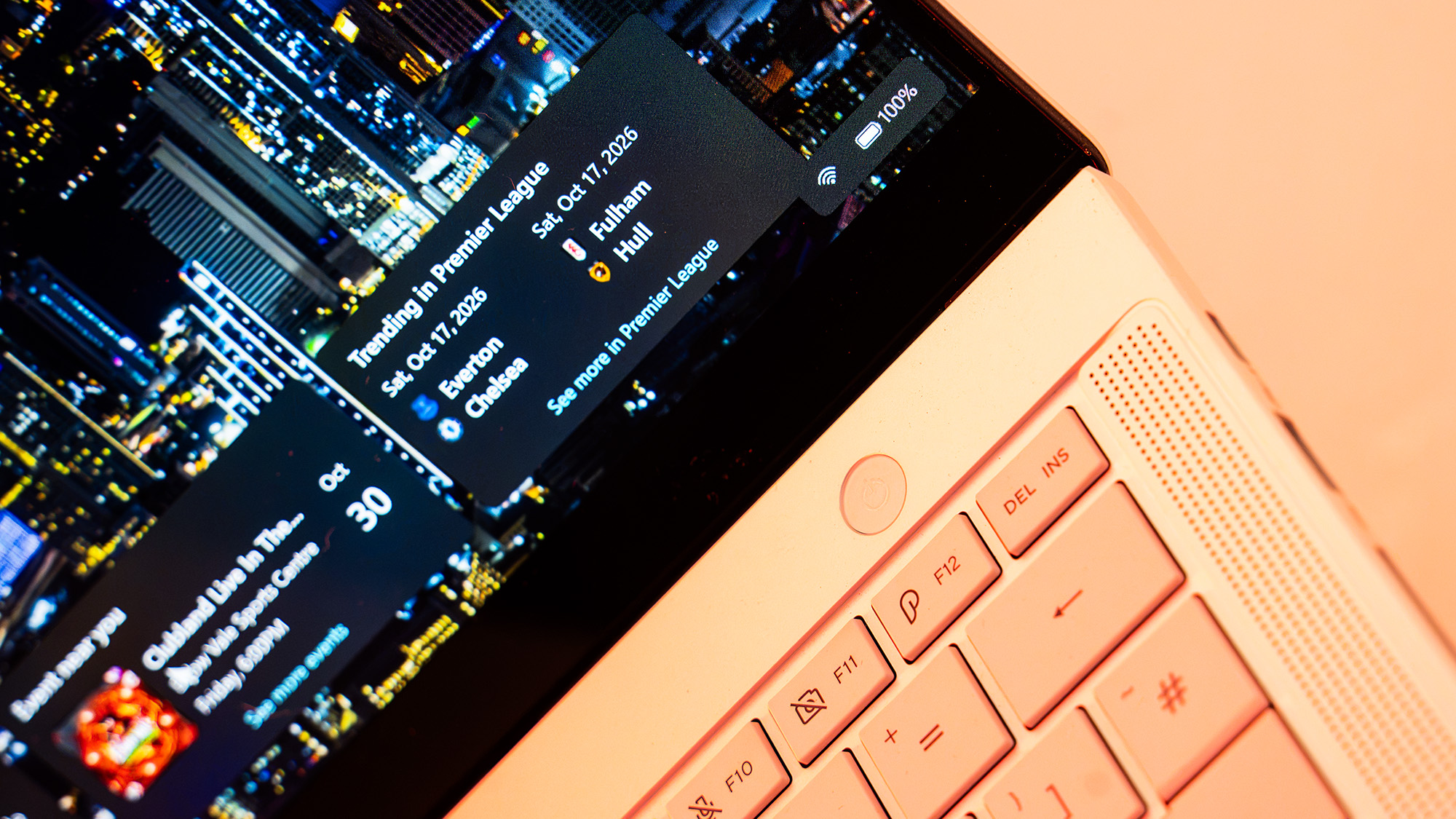
During our testing, some industry-standard benchmarks, such as certain versions of Cinebench, failed to fully recognize or utilize the Blackwell GPU. This is a temporary problem that can—and likely will—be fixed with software patches and driver updates, but it is a factor that early adopters must consider. For those whose workflow relies on niche or older plugins, the transition period may involve some frustration until native versions are released.
Price and Market Positioning
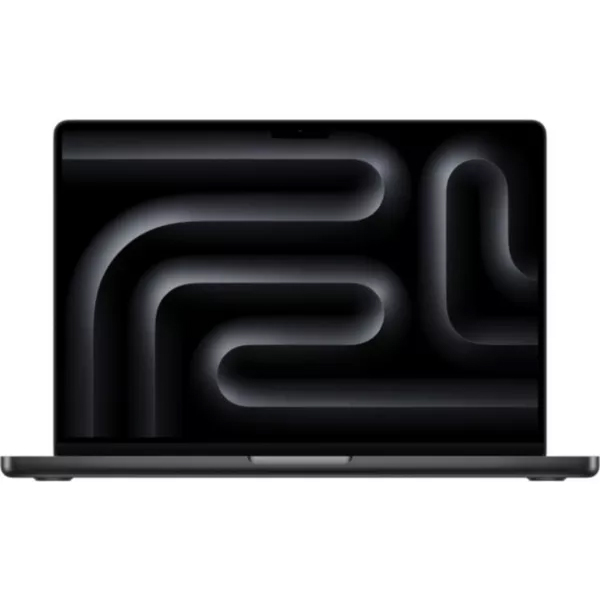
Perhaps the most significant hurdle for the ASUS ProArt P14 is its price. Starting at £2,699.99 (approximately $2,599) for the 24GB RAM model and rising to over £3,100 for the 32GB version, it occupies the most expensive tier of the 14-inch laptop market. This puts it in direct competition with the MacBook Pro M5 Max, which offers a more established software ecosystem and equally impressive hardware.
The high cost is a reflection of the expensive components within—specifically the high-bandwidth unified memory and the cutting-edge Blackwell GPU. However, for many creatives, the "AI premium" might feel steep, especially when traditional x86 laptops with similar graphical "punch" can be found for significantly less, albeit with the trade-off of worse battery life and a bulkier chassis.
Final Verdict: Who Is the ProArt P14 For?
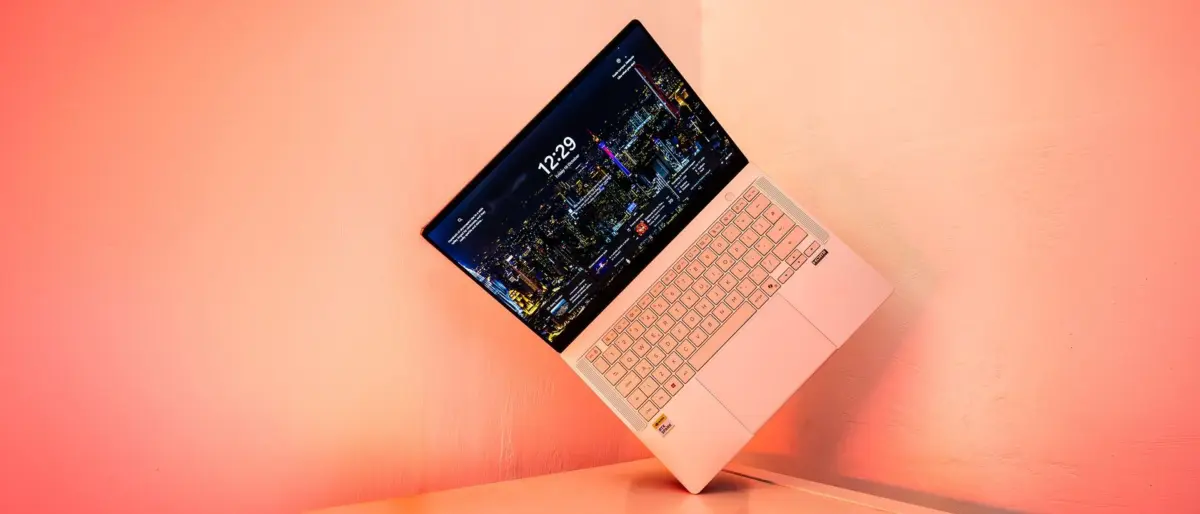
The ASUS ProArt P14 is a machine built for the "early adopter" professional. It is designed for those who see the shift toward local AI processing as the next great frontier in creative work. If your workflow involves running local LLMs, developing AI agents, or utilizing the latest generative tools in Adobe’s beta software, the P14 offers a glimpse into a future where your laptop is as much a specialized AI workstation as it is a computer.
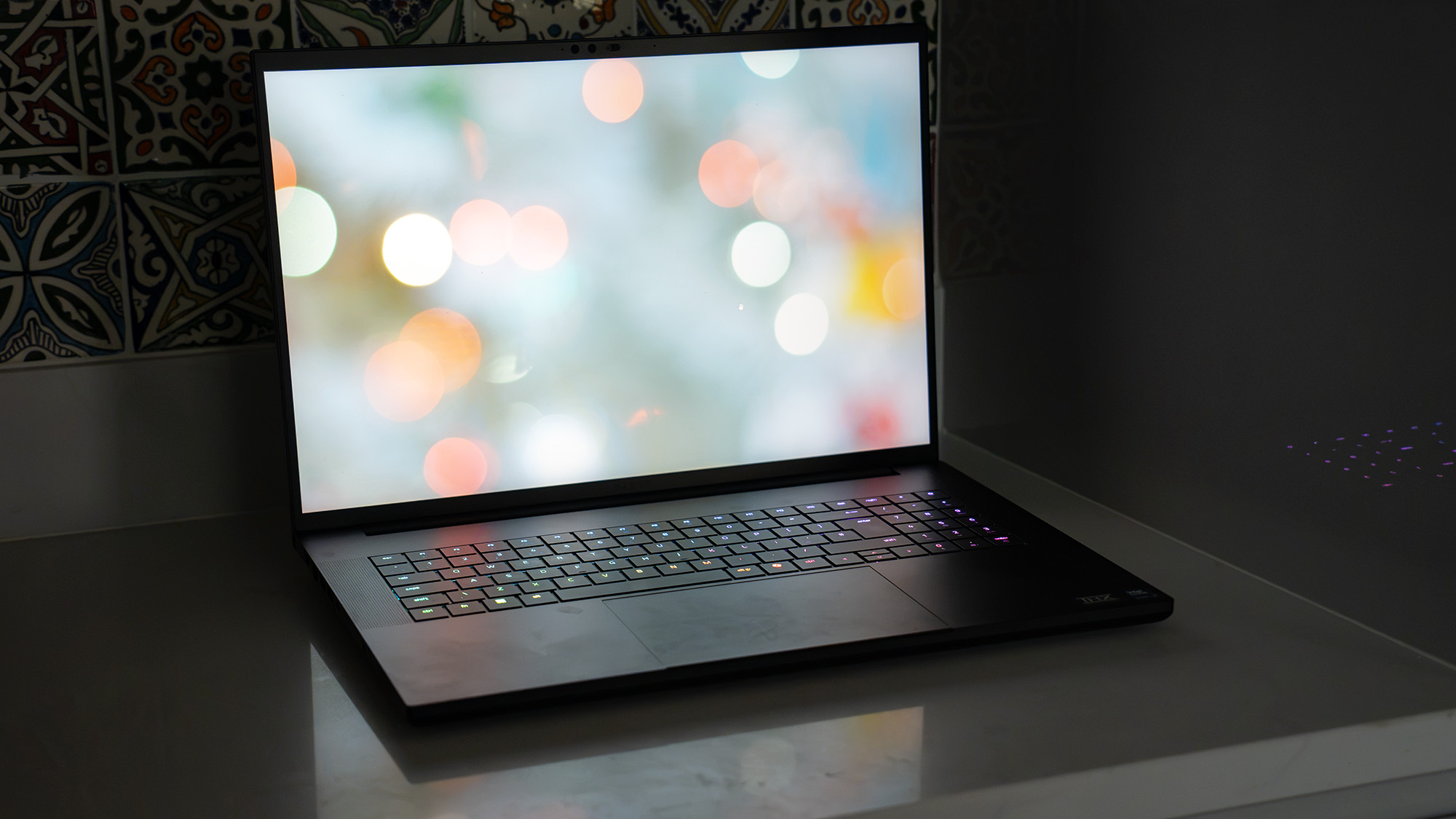
For the traditional video editor or graphic designer, the choice is more complex. The P14 is an objectively excellent piece of hardware—it is thin, light, powerful, and possesses a stunning display. However, the current software compatibility issues and the high entry price mean that for many, it may be worth waiting for the ecosystem to mature.
Ultimately, the ProArt P14 proves that Nvidia’s RTX Spark platform has the potential to be the answer to many creatives’ prayers: a Windows-based rival to Apple’s silicon that doesn’t compromise on graphical power. It is a bold, beautifully built, and highly capable machine that is just a few software updates away from greatness.