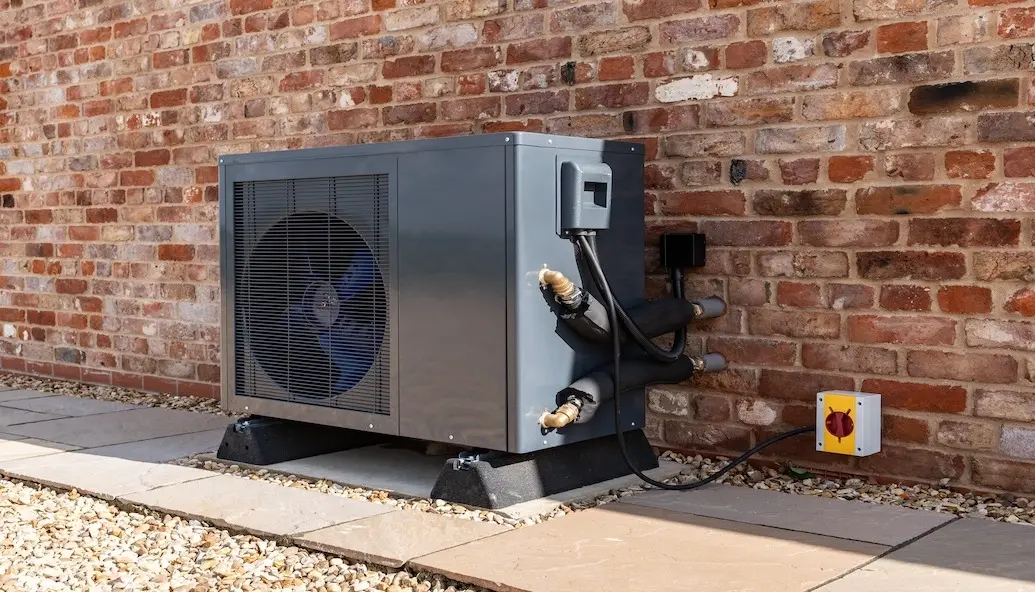
However, the adoption of such technology does not happen in a vacuum. It is intrinsically linked to the broader national infrastructure and the strategic investment of what has been described as "grid billions." For the UK to successfully transition its manufacturing base from gas to electricity, the national grid must be capable of handling the increased demand. This is why the conversation around industrial decarbonization is increasingly tied to the modernization of the electrical network. Massive investment is required to ensure that as factories swap out gas lines for high-voltage electrical connections, the infrastructure is in place to support them without compromising reliability or driving up costs through network constraints. The strategic use of these billions in grid investment is seen as a foundational requirement for rebuilding and future-proofing British manufacturing.
The transition to high-temperature heat pumps also addresses a critical concern for the UK government and industry leaders: remaining competitive on the global stage. As international markets increasingly prioritize green supply chains, British exporters are under pressure to prove the sustainability of their products. If UK manufacturers can successfully electrify their processes and reduce their carbon intensity, they may find themselves at a distinct advantage in markets like the European Union, where carbon border adjustment mechanisms are becoming a reality. By adopting technologies that allow for the electrification of processes previously dependent on gas, the UK can position itself as a leader in low-carbon industrial production, attracting investment and securing jobs in the long term.
Furthermore, the shift toward heat pump technology represents a move toward greater energy security. The volatility of the global gas market in recent years has highlighted the vulnerability of industries that rely on fossil fuel imports. While electricity prices are also subject to market forces, the UK’s increasing share of domestic renewable energy—such as offshore wind and solar—provides a more stable and predictable long-term outlook for power costs. By shifting industrial heat demand toward the electrical grid, the manufacturing sector can better insulate itself from the geopolitical shocks that frequently disrupt gas supplies.
Despite the clear benefits, the path forward is not without its obstacles. The initial capital expenditure for high-temperature heat pump systems can be higher than that of traditional gas boilers, and the complexity of integrating these systems into existing production lines requires specialized engineering expertise. There is also the matter of timing; manufacturers often operate on long investment cycles, and replacing a functioning gas boiler before the end of its service life can be a difficult financial decision to justify. This is where policy frameworks and financial incentives become vital. Support for early adopters, coupled with the aforementioned investment in grid infrastructure, will be essential to accelerate the pace of change.