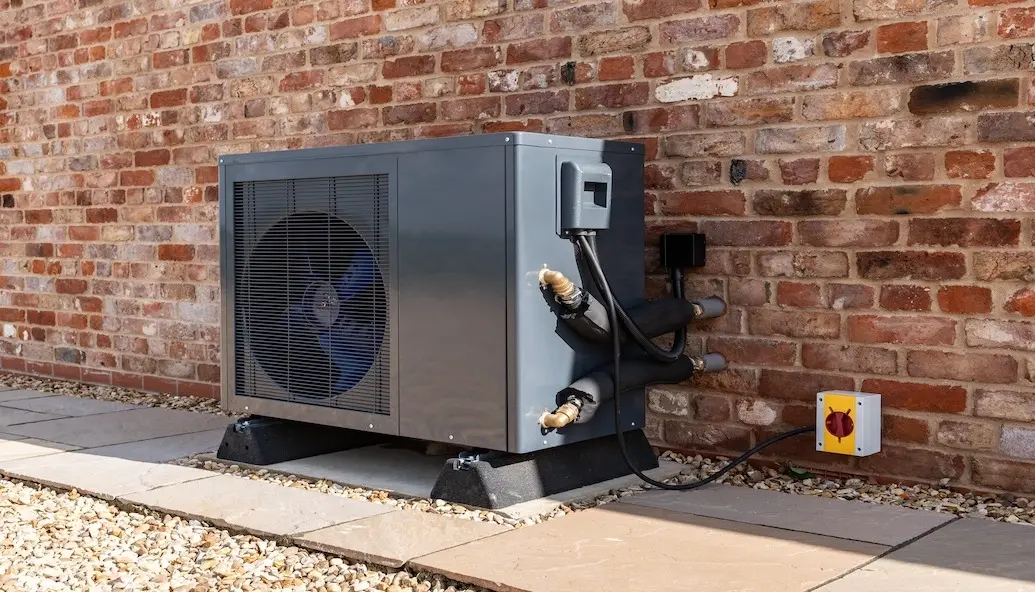
At the heart of the challenge is the sheer intensity of the heat required for industrial production. Unlike residential heating, which typically operates at much lower temperatures, heavy industry often requires processes to exceed 100 degrees Celsius. This has historically been a significant barrier to electrification. While standard heat pumps have been highly effective for domestic use and light commercial applications, they have traditionally struggled to reach the high temperatures necessary for sterilization, pasteurization, and chemical processing. This technical limitation often left manufacturers with few choices: they could continue using gas-fired boilers, or they could switch to electric boilers, which, while cleaner, are often prohibitively expensive to run due to their lower efficiency and the higher cost of electricity per unit compared to gas.
The introduction of a new high-temperature heat pump range by Johnson Controls marks a significant shift in this dynamic. This new system is designed to provide temperatures of up to 122 degrees Celsius, a threshold that brings a vast array of industrial processes within the reach of electrification. By bridging the gap between standard heat pump capabilities and the requirements of heavy industry, this technology offers a viable path away from fossil fuels. Crucially, these systems are reported to be up to three times as energy efficient as traditional electric boilers. This efficiency gain is the linchpin of the economic argument for the transition; it allows manufacturers to offset the higher cost of electricity by using significantly less energy to achieve the same thermal output.
The implications for the UK’s industrial sector are profound, particularly for those industries categorized as "hard-to-abate." In the food and drink sector, for instance, high-temperature heat is a non-negotiable requirement for food safety and shelf-life extension. Processes such as pasteurization and sterilization require consistent, high-grade heat that has long been the domain of gas-fed steam systems. Similarly, in the pharmaceutical and biotechnology sectors, maintaining sterile environments and facilitating complex chemical reactions necessitates precise, high-temperature thermal management. Advanced manufacturing, which includes everything from automotive components to specialized textiles, also relies heavily on heat for drying, curing, and forming materials. For these sectors, the ability to generate 122-degree heat via an efficient heat pump system could represent the difference between meeting sustainability goals and facing increasing carbon taxes or regulatory penalties.
One of the most innovative features of this new technology is its ability to integrate with existing industrial infrastructure to create a more circular energy economy. The system is designed to leverage waste heat from other onsite processes—heat that, in a traditional factory setting, would simply be vented into the atmosphere or dissipated into cooling towers. By capturing this "lost" energy and using it as a source for the heat pump, industrial sites can significantly boost their overall system efficiency. This not only lowers the amount of raw energy needed from the grid but also further reduces the carbon footprint of the facility. In an era where every percentage point of efficiency translates directly into a competitive advantage, the ability to turn waste into a resource is a powerful tool for British manufacturers.
However, the adoption of such technology does not happen in a vacuum. It is intrinsically linked to the broader national infrastructure and the strategic investment of what has been described as "grid billions." For the UK to successfully transition its manufacturing base from gas to electricity, the national grid must be capable of handling the increased demand. This is why the conversation around industrial decarbonization is increasingly tied to the modernization of the electrical network. Massive investment is required to ensure that as factories swap out gas lines for high-voltage electrical connections, the infrastructure is in place to support them without compromising reliability or driving up costs through network constraints. The strategic use of these billions in grid investment is seen as a foundational requirement for rebuilding and future-proofing British manufacturing.
The transition to high-temperature heat pumps also addresses a critical concern for the UK government and industry leaders: remaining competitive on the global stage. As international markets increasingly prioritize green supply chains, British exporters are under pressure to prove the sustainability of their products. If UK manufacturers can successfully electrify their processes and reduce their carbon intensity, they may find themselves at a distinct advantage in markets like the European Union, where carbon border adjustment mechanisms are becoming a reality. By adopting technologies that allow for the electrification of processes previously dependent on gas, the UK can position itself as a leader in low-carbon industrial production, attracting investment and securing jobs in the long term.
Furthermore, the shift toward heat pump technology represents a move toward greater energy security. The volatility of the global gas market in recent years has highlighted the vulnerability of industries that rely on fossil fuel imports. While electricity prices are also subject to market forces, the UK’s increasing share of domestic renewable energy—such as offshore wind and solar—provides a more stable and predictable long-term outlook for power costs. By shifting industrial heat demand toward the electrical grid, the manufacturing sector can better insulate itself from the geopolitical shocks that frequently disrupt gas supplies.
Despite the clear benefits, the path forward is not without its obstacles. The initial capital expenditure for high-temperature heat pump systems can be higher than that of traditional gas boilers, and the complexity of integrating these systems into existing production lines requires specialized engineering expertise. There is also the matter of timing; manufacturers often operate on long investment cycles, and replacing a functioning gas boiler before the end of its service life can be a difficult financial decision to justify. This is where policy frameworks and financial incentives become vital. Support for early adopters, coupled with the aforementioned investment in grid infrastructure, will be essential to accelerate the pace of change.
The role of companies like Johnson Controls in this transition cannot be understated. By providing the technical solutions that were previously missing from the market, they are removing the "impossible" from the equation for many factory managers. The ability to reach 122 degrees Celsius is more than just a technical specification; it is a signal to the industry that the technology is finally catching up with the ambition of Net Zero. As more sites begin to pilot and adopt these systems, the data gathered will likely provide the proof of concept needed to encourage wider industry take-up.
As the UK looks toward the middle of the century, the electrification of industrial heat will likely be remembered as one of the most significant shifts in the nation’s manufacturing history. The move away from the combustion of fossil fuels for process heat is a fundamental change in how things are made. It requires not just new equipment, but a new way of thinking about energy use, waste recovery, and grid interaction. The introduction of high-temperature heat pumps is a critical piece of this puzzle, offering a practical solution for sectors that have long struggled to find a way forward.
In the coming years, the success of this transition will depend on a synchronized effort between technology providers, manufacturers, and policymakers. The goal is to create an industrial ecosystem where high-efficiency, low-carbon production is the standard rather than the exception. With the right investment in the grid and the continued development of high-performance technologies, British manufacturing has the opportunity to undergo a green renaissance, emerging more efficient, more competitive, and more resilient than ever before. The journey from gas-dependent heavy industry to a clean, electrified manufacturing base is well underway, and the latest advancements in heat pump technology are proving that even the most difficult thermal challenges can be overcome.