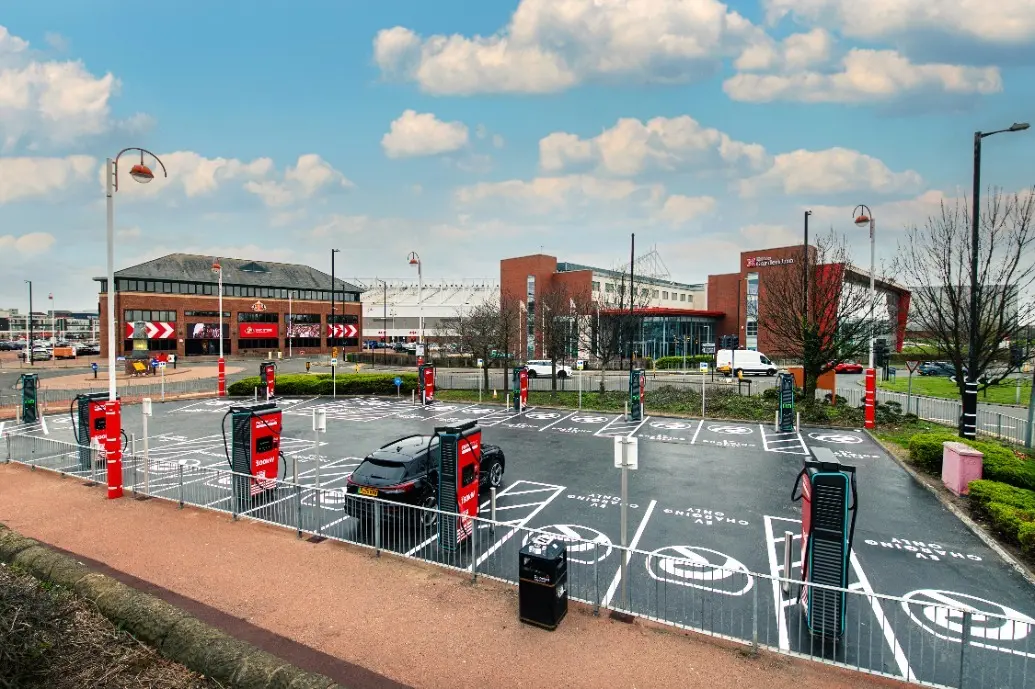
The introduction of such a high-capacity hub at a football stadium underscores the evolving role of sports venues in the 21st century. No longer just sites for weekend entertainment, stadiums are increasingly being viewed as "anchor institutions" that can drive regional development and technological adoption. For the city of Sunderland and the broader North East region, the addition of 20 ultra-rapid bays provides a much-needed boost to the local charging network. As the government moves toward phasing out the sale of new petrol and diesel cars, the availability of high-speed charging in accessible, well-known locations is vital for reducing "range anxiety" and making EV ownership a practical choice for a larger segment of the population.
The "Ready Eco" strategy itself represents a paradigm shift for Sunderland AFC. The commitment to becoming energy-sufficient by 2028 is a particularly bold target for a stadium of its size, which has significant power requirements for lighting, hospitality, and day-to-day operations. Achieving this will likely involve a combination of on-site generation, advanced energy storage solutions, and continued partnerships with renewable energy providers. The EV charging hub serves as a visible, tangible symbol of this strategy in action. It demonstrates that the club is not merely setting long-term goals but is actively implementing the infrastructure necessary to meet them.
Furthermore, the choice of 150kW and 300kW chargers indicates a future-proofed approach to infrastructure. As battery technology in electric vehicles improves, cars are becoming capable of accepting higher rates of charge. The 300kW units, in particular, represent the cutting edge of currently available public charging technology. These units can provide a significant charge in the time it takes for a visitor to grab a coffee or visit the club shop, making the Stadium of Light a convenient "pit stop" for those traveling through the region, regardless of whether a match is taking place.
The collaboration between Sunderland AFC and RAW also highlights the importance of private-sector partnerships in achieving climate goals. With the £750,000 investment, RAW is providing the technical expertise and financial resources, while the club provides the prime location and the platform to reach a massive audience. This synergy is essential for the rapid rollout of green technology, as it allows for the deployment of expensive infrastructure without placing the entire financial burden on the public purse or the club’s primary operating budget.