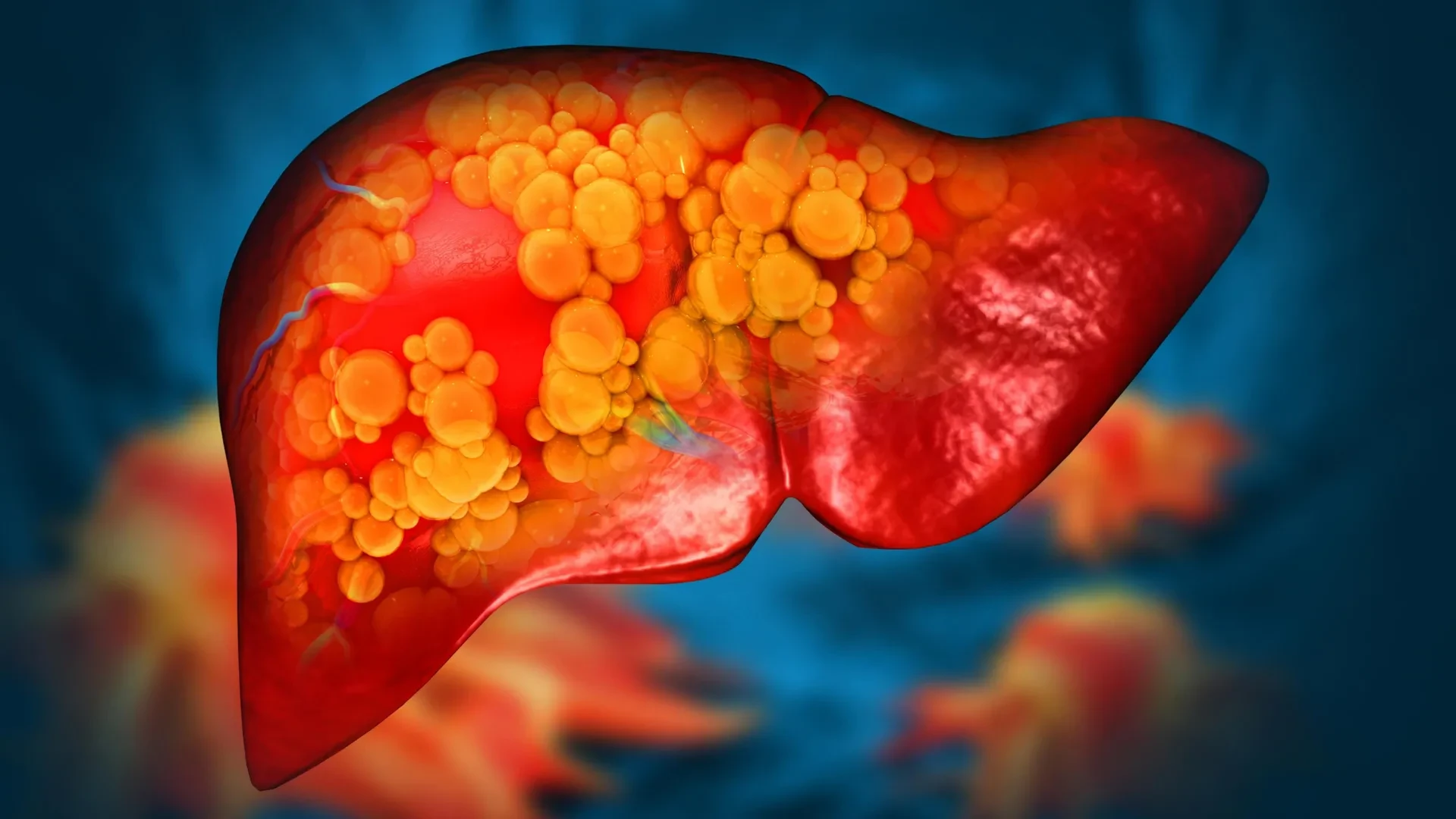
In a significant breakthrough for metabolic health, researchers at Michigan Medicine have developed an experimental drug that reverses a severe and increasingly common form of fatty liver disease. However, the most striking aspect of this discovery is not just the recovery of the organ itself, but the mechanism by which it occurs. Rather than targeting the liver directly, the compound—known as DT-109—focuses its therapeutic power on the gastrointestinal tract, effectively cutting off the source of liver damage at its origin.
The findings, recently published in The Journal of Clinical Investigation, detail how this innovative approach addresses Metabolic Dysfunction-Associated Steatohepatitis (MASH). By reinforcing the integrity of the gut and modulating the community of bacteria residing within it, DT-109 prevents a cascade of inflammatory triggers from ever reaching the liver. This "gut-first" strategy offers a potential paradigm shift in treating a condition that has historically been difficult to manage and often leads to life-threatening complications.
The Growing Global Burden of MASH
MASH, formerly known as non-alcoholic steatohepatitis (NASH), has become a global health crisis, currently affecting approximately 7% of the world’s population. It represents the more aggressive end of the spectrum of fatty liver disease. While many people may have "simple" fatty liver, where fat accumulates without causing significant harm, those with MASH experience chronic inflammation and cellular damage.
If left untreated, the persistent inflammation characteristic of MASH triggers the formation of scar tissue, a process known as fibrosis. Over time, this scarring can become so extensive that it leads to cirrhosis, a state of permanent liver damage that impairs the organ’s ability to function. Beyond cirrhosis, MASH is a leading driver of liver failure and primary liver cancer. Despite the scale of the problem and the recent approval of the first few targeted therapies, the medical community continues to struggle with providing effective, long-term options for the millions of patients currently at risk.
The Michigan Medicine study suggests that the secret to treating the liver may lie in the complex relationship between the digestive system and the metabolic functions of the body—a biological highway known as the gut-liver axis.
How Harmful Gut Bacteria Can Trigger Liver Damage
The research team, led by Eugene Chen, M.D., Ph.D., the Frederick G. L. Huetwell Professor of Cardiovascular Medicine at the University of Michigan Medical School, had previously identified DT-109 as a potential candidate for treating liver disease. DT-109 is a glycine-based tripeptide—a small molecule composed of three amino acids. Amino acids are the fundamental building blocks of proteins, and tripeptides are often highly bioactive despite their small size.
While earlier studies confirmed that DT-109 could improve the condition of the liver in animal models, the precise biological "how" remained a mystery. The latest research provides the missing link, illustrating a destructive chain reaction that begins in the intestines and ends with liver destruction.
Before testing the drug’s efficacy, the scientists identified a specific culprit in the development of MASH: an overgrowth of the bacterium Clostridium perfringens. While many bacteria in the gut are beneficial, an excess of Clostridium perfringens leads to the production of high levels of ammonia within the intestines.
This spike in ammonia is not benign. It acts as a chemical irritant that damages the gut’s epithelial barrier—the delicate inner lining of the intestines. In a healthy state, this barrier acts as a rigorous gatekeeper, allowing nutrients to enter the bloodstream while keeping toxins, waste, and harmful microbes confined to the digestive tract. When the barrier is weakened, a condition often colloquially referred to as "leaky gut," the gate is left open.
Once the intestinal lining is compromised, ammonia and various pro-inflammatory microbial products "leak" out and travel directly to the liver via the portal vein. This influx of foreign and toxic material acts as a call to arms for the liver’s immune system. One of the primary responses involves the over-activation of CD8+ T cells. While these immune cells are essential for destroying infected or cancerous cells, their hyper-activity in the liver creates a state of chronic inflammation that drives the progression of MASH.
"We see clear evidence that DT-109 protects the gut epithelial barrier, reducing the systemic influx of harmful microbial products that are thought to contribute to MASH development and progression," said Dr. Chen. "This compound shows benefits to the gastrointestinal system and has great potential as a treatment for MASH."
Experimental Drug Repairs the Gut and Protects the Liver
The researchers conducted a series of rigorous experiments to see if DT-109 could interrupt this cycle. Testing the compound in both mice and nonhuman primates, the team observed a consistent and powerful therapeutic effect.
In the treated subjects, DT-109 successfully reduced the populations of Clostridium perfringens. By lowering the abundance of these bacteria, the drug effectively reduced the production of ammonia in the gut. With the chemical assault on the intestinal lining halted, the gut barrier was able to repair itself and regain its integrity.
This restoration of the "gatekeeper" function had an immediate impact on liver health. Because the systemic translocation of toxins was curtailed, the inflammatory signals in the liver subsided. The results in nonhuman primates were particularly significant for the research team. Because primates share a much more similar liver biology and gut microbiome to humans than rodents do, the success in these models suggests a higher likelihood that the results could eventually be replicated in human patients.
In these primate models, the researchers documented a visible reduction in liver inflammation and a decrease in the overall severity of MASH. The study effectively proved that by stabilizing the gut-liver axis, the liver could be allowed to heal.
"DT-109 connects microbiota modulation with liver protection by restoring gut barrier integrity and limiting the systemic translocation of ammonia and other pro-inflammatory microbial products within the gut-liver axis," explained Jifeng Zhang, Ph.D., co-author of the study and a research professor of cardiovascular medicine at U-M Medical School. "We also found that DT-109 primarily acts in the gastrointestinal tract, but its reach stretches much further."
Potential Benefits Beyond Fatty Liver Disease
The implications of this research extend far beyond MASH. Because the gut-liver axis is a central component of overall metabolic health, a drug that can strengthen the intestinal barrier may have applications for a variety of other chronic conditions.
Metabolic disorders rarely affect just one organ in isolation. Patients with fatty liver disease are at a significantly higher risk for cardiovascular disease, which remains the leading cause of death for individuals with MASH. Previous research into DT-109 has already shown that the compound can reduce the formation of atherosclerotic plaques—the fatty deposits that clog arteries—and prevent vascular calcification in nonhuman primates. Vascular calcification, the buildup of calcium in the walls of blood vessels, makes arteries stiff and less responsive, a major factor in heart attacks and strokes.
Furthermore, the researchers are looking at the potential for DT-109 to assist those suffering from inflammatory bowel disease (IBD), such as Crohn’s disease and ulcerative colitis. Since these conditions are fundamentally characterized by a breakdown of the intestinal barrier and chronic gut inflammation, the protective effects of DT-109 could provide a new avenue for treatment where current therapies often fall short.
A Promising Treatment That Still Needs Human Trials
Despite the optimism surrounding these findings, the researchers emphasize that DT-109 is still in the experimental phase. While the data from animal and primate studies are robust, the transition from laboratory success to a pharmacy shelf is a long and careful process.
The next critical step involves moving the compound into human clinical trials. These trials will be necessary to determine the safety of DT-109 in humans, the appropriate dosages, and whether the dramatic reversal of MASH seen in primates will hold true for human patients with varying degrees of the disease.
"This study presents novel evidence about the pathogenesis of MASH and provides excitement about a therapeutic avenue to explore for a condition that remains difficult to treat," said Elliot Tapper, M.D., Academic Director of Hepatology at Michigan Medicine. "What patients with MASH need is a safe and effective therapy capable of improving their liver and heart health—of course we are excited about these developments."
The discovery marks a pivotal shift in the scientific understanding of fatty liver disease. For decades, the focus has been almost entirely on the liver’s internal metabolic processes. By looking outward to the gut and recognizing the liver as a victim of external microbial influences, Michigan Medicine researchers may have found the key to stopping the disease before it ever takes hold of the organ.
Funding and Institutional Disclosures
The development and study of DT-109 involve several institutional and financial partnerships. Ying Zhao, Oren Rom, Jifeng Zhang, and Y. Eugene Chen are listed as inventors on a patent application regarding the use of tripeptides for the treatment of metabolic, cardiovascular, and inflammatory disorders.
Dr. Chen is an inventor of DT-109, and the University of Michigan holds the patent for the compound. The technology has been licensed to Diapin Therapeutics, a company in which both Dr. Chen and the University of Michigan hold an ownership interest. Diapin Therapeutics supplied the DT-109 used in the research and is continuing the compound’s development.
The research was conducted under strict ethical guidelines. The human study protocols, amendments, and informed consent forms were approved by Institutional Review Boards at multiple participating sites, including the First Affiliated Hospital of Xi’an Jiaotong University, Jinan University, and the University of Hong Kong/Hospital Authority Hong Kong West Cluster.
All experimental procedures involving nonhuman primates were overseen and approved by the Laboratory Animal Care Committee of Xi’an Jiaotong University and the Institutional Animal Care and Use Committee of Spring Biological Technology Development Co., Ltd. The studies were conducted in full accordance with the National Institutes of Health Guide for the Care and Use of Laboratory Animals.