The natural world and our relationship to it remain a vital source of literary inquiry. From a heartwarming and insightful essay on what a relationship with a rescue raccoon can teach us about self-discovery to a call for the preservation of boglands and peatlands, writers are urging a closer look at the environment. The "unlikely beauty and hidden danger" of these landscapes serve as a metaphor for the fragility of the planet. Furthermore, a nuanced look at rural American life seeks to move past the "endless stereotyping" that often dominates political discourse, arguing that the rural experience is as diverse and complex as any urban one.
As always, the week provides a wealth of recommendations for those looking to expand their reading lists. Jonathan Cheng offers a guide to five essential books for understanding North Korea’s cult of personality, while another list explores the history of the Venetian ghetto. For those interested in the visual arts, the work of Jean-Pierre and Eliane Laffont is highlighted, documenting the radical changes of American counterculture in the 1960s and 70s.
The week’s news is rounded out by tributes and memories. Josefine Kals remembers the late writer and professor Stephen Dixon, while Al Sharpton reflects on the mentorship of Jesse Jackson. Anand Giridharadas further explores Sharpton’s own career, analyzing how "The Rev" has worked to shape narratives of justice in the American consciousness.
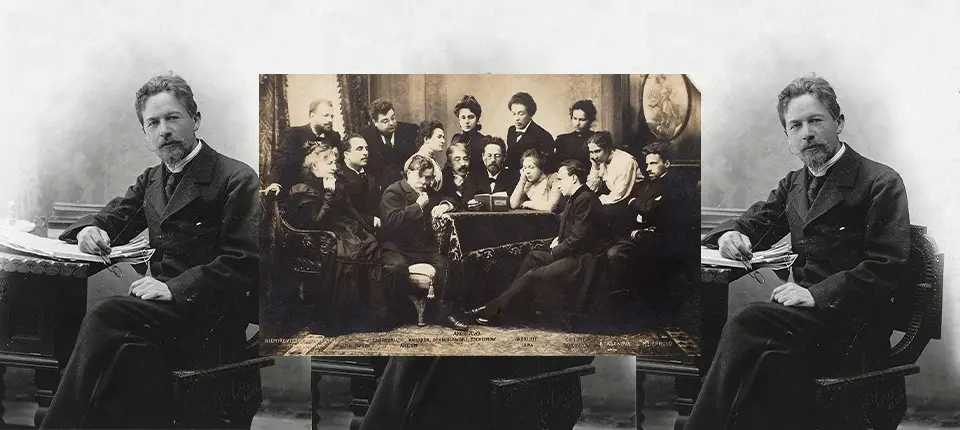
From the best-reviewed books of the week to the Independent Press Top 40 Bestsellers in fiction and nonfiction, the literary landscape remains a place of intense activity and reflection. Whether it is through the "Cruise Control" of a new poem by Eric Amling or a deep dive into the systemic slaughter of nonconformist women during medieval witch hunts, the written word continues to be the primary medium through which we process our past and imagine our future. Just as Chekhov eventually returned to the stage to change the world, today’s writers continue to push against the "flops" and failures of the present to find a lasting truth.