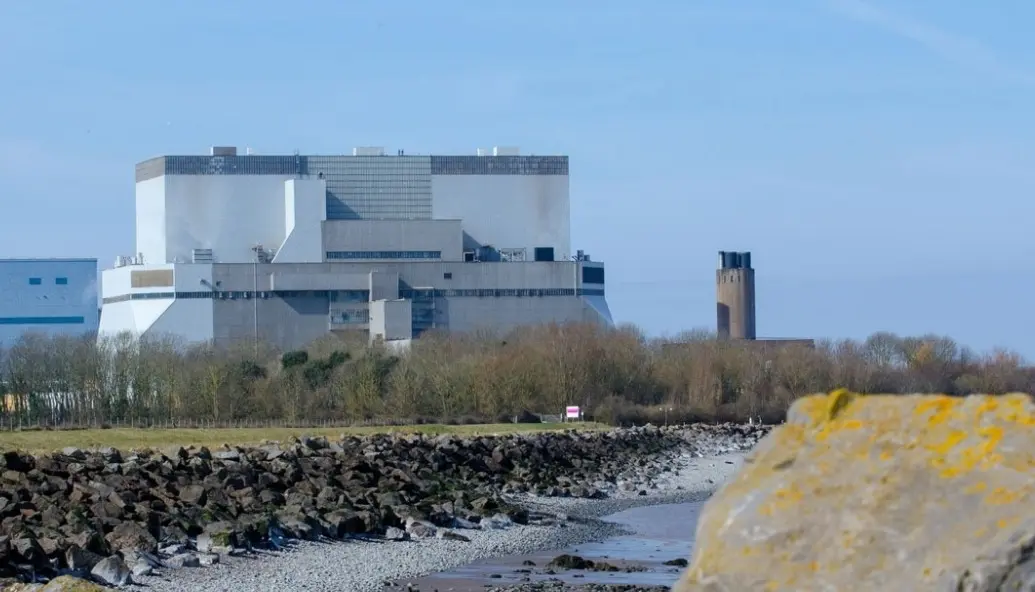
Before the transfer could take place, a major technical milestone had to be reached: the completion of defueling. This process, which took three years to finalize, involved the removal of more than 4,900 spent-fuel elements from the station’s two reactors. Defueling is widely considered one of the most high-risk and technically demanding phases of a nuclear plant’s retirement. Each fuel element must be carefully extracted, cooled in specialized ponds, and then loaded into massive steel flasks for transport. These flasks were moved by rail to the Sellafield site in Cumbria, where the spent fuel will be safely stored and managed.

The fact that the defueling of Hinkley Point B was completed both on time and within budget has been hailed as a significant achievement for EDF and the wider nuclear industry. It serves as a proof of concept for the decommissioning of the remaining AGR fleet. The successful removal of the fuel effectively reduces the radiological hazard on-site by more than 99%, allowing the new operators, NRS, to begin the physical dismantling of the plant’s non-essential structures with a significantly lower risk profile.
Beyond its technical and environmental impact, Hinkley Point B has been a massive economic engine for the United Kingdom. Analysis provided by EDF indicates that between its commissioning in 1976 and the final handover in 2024, the station generated more than £15 billion in economic value for the UK. This figure encompasses not only the value of the electricity produced but also the thousands of jobs supported over the decades, the investment in the local supply chain, and the tax revenues generated for the Treasury.
The transition to decommissioning does not mean the end of this economic contribution. The process of dismantling a nuclear power station is a massive industrial undertaking that requires a diverse range of services, from civil engineering and demolition to specialized waste management and radiological monitoring. The NDA and NRS have emphasized that the decommissioning phase will continue to sustain economic activity and employment in the Somerset region for decades to come. As the site moves through the stages of "care and maintenance" and eventually to final site clearance, it will continue to require a dedicated workforce and a robust network of contractors.