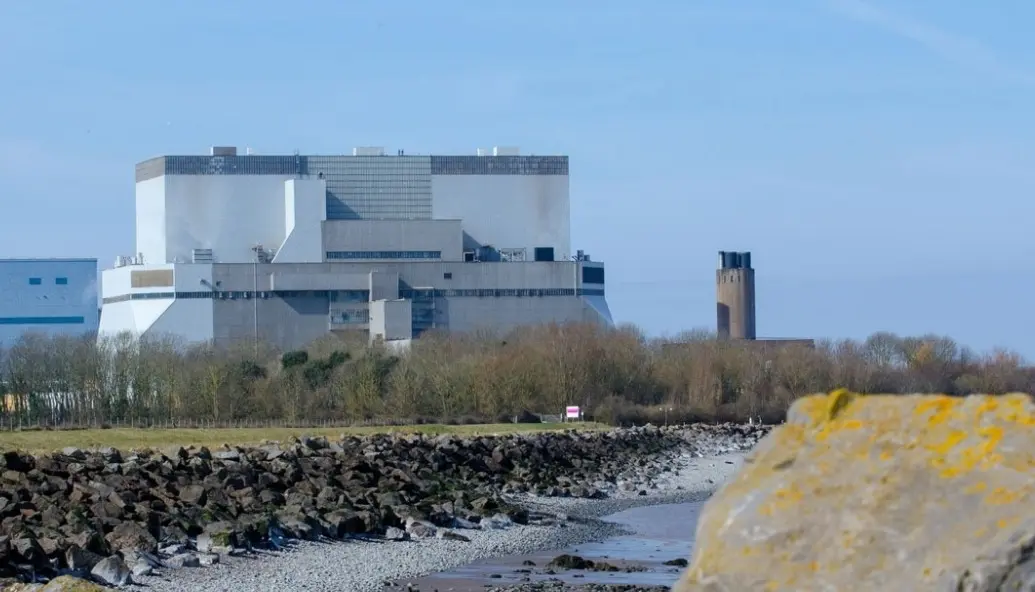
The handover represents a pivotal moment for the Somerset site, located on the Bristol Channel coast. As the station moves from a focus on power production to one of dismantling and cleanup, it will now be managed by Nuclear Restoration Services (NRS). NRS is a specialized subsidiary of the NDA, already well-acquainted with the local landscape through its ongoing management of the neighboring Hinkley Point A site, an older Magnox station that ceased operations in 2000. By bringing both Hinkley Point A and B under the same management umbrella, the NDA aims to streamline the decommissioning process, leveraging shared expertise and regional infrastructure to ensure the work is carried out efficiently.
A critical component of this transition is the human element. Approximately 250 skilled staff members who were previously employed by EDF have officially transferred their employment to NRS. This move is designed to ensure that the deep institutional knowledge and technical expertise required to manage a nuclear facility are retained on-site. These professionals, many of whom have spent decades maintaining the station’s reactors and systems, will now apply their experience to the safe and secure dismantling of the plant. Furthermore, the retention of these roles provides a measure of economic stability for the local community in Somerset, ensuring that the site remains a major employer in the region even as its primary mission changes.
The historical significance of Hinkley Point B cannot be overstated. When it first began generating electricity in 1976, it made history as the first British-designed Advanced Gas-cooled Reactor (AGR) to supply power to the national grid. The AGR design was a uniquely British endeavor, intended to provide high-temperature steam that could drive the same kind of turbines used in conventional coal-fired power stations, thereby increasing efficiency. For 46 years, Hinkley Point B stood as a testament to this engineering ambition, operating through various shifts in the UK’s energy policy and economic landscape.
By the time the station was shut down in 2022, its contribution to the UK’s energy security was immense. According to operational data, the station generated enough zero-carbon electricity over its lifetime to power every single home in the South West of England for 33 years. This consistent output played a vital role in the UK’s efforts to maintain a stable baseload of electricity while beginning the long-term transition away from fossil fuels. The station’s closure in 2022 was not a sudden event but the result of a planned lifecycle, as the aging components of the reactors reached the end of their predictable operational safety margins.
The formal transfer to the NDA is the culmination of more than five years of intensive preparation. This preparatory phase involved a complex coordination effort between a wide range of stakeholders, including the UK Government, the NDA group, EDF, the Office for Nuclear Regulation (ONR), the Environment Agency, and the Nuclear Liabilities Fund. Each of these bodies played a specific role in ensuring that the legal, financial, and safety frameworks were in place to allow for a seamless change in ownership. The Nuclear Liabilities Fund, in particular, serves as the financial backbone for this transition, holding the assets necessary to cover the multi-billion-pound costs associated with decommissioning the UK’s fleet of nuclear power stations.
Before the transfer could take place, a major technical milestone had to be reached: the completion of defueling. This process, which took three years to finalize, involved the removal of more than 4,900 spent-fuel elements from the station’s two reactors. Defueling is widely considered one of the most high-risk and technically demanding phases of a nuclear plant’s retirement. Each fuel element must be carefully extracted, cooled in specialized ponds, and then loaded into massive steel flasks for transport. These flasks were moved by rail to the Sellafield site in Cumbria, where the spent fuel will be safely stored and managed.

The fact that the defueling of Hinkley Point B was completed both on time and within budget has been hailed as a significant achievement for EDF and the wider nuclear industry. It serves as a proof of concept for the decommissioning of the remaining AGR fleet. The successful removal of the fuel effectively reduces the radiological hazard on-site by more than 99%, allowing the new operators, NRS, to begin the physical dismantling of the plant’s non-essential structures with a significantly lower risk profile.
Beyond its technical and environmental impact, Hinkley Point B has been a massive economic engine for the United Kingdom. Analysis provided by EDF indicates that between its commissioning in 1976 and the final handover in 2024, the station generated more than £15 billion in economic value for the UK. This figure encompasses not only the value of the electricity produced but also the thousands of jobs supported over the decades, the investment in the local supply chain, and the tax revenues generated for the Treasury.
The transition to decommissioning does not mean the end of this economic contribution. The process of dismantling a nuclear power station is a massive industrial undertaking that requires a diverse range of services, from civil engineering and demolition to specialized waste management and radiological monitoring. The NDA and NRS have emphasized that the decommissioning phase will continue to sustain economic activity and employment in the Somerset region for decades to come. As the site moves through the stages of "care and maintenance" and eventually to final site clearance, it will continue to require a dedicated workforce and a robust network of contractors.
Hinkley Point B is the second Advanced Gas-cooled Reactor site to transfer to the NDA for decommissioning, following the successful handover of Hunterston B in North Ayrshire, Scotland, in April. These two sites serve as the vanguard for a much larger program of work. As the UK’s remaining AGR stations—Dungeness B, Hartlepool, Heysham 1, Heysham 2, and Torness—reach the end of their generating lives, they are expected to follow a similar path of defueling and subsequent transfer to the NDA.
The experience gained at Hinkley Point B is expected to provide a blueprint for these future projects. The lessons learned in managing the staff transfer, navigating the regulatory requirements of the Office for Nuclear Regulation, and executing the defueling process will be invaluable as the NDA scales up its operations to manage the entire first generation of the UK’s commercial nuclear fleet. The involvement of the Office for Nuclear Regulation throughout this process ensures that safety remains the paramount priority, with rigorous inspections and oversight continuing as the site’s mission evolves.
As the physical silhouette of Hinkley Point B remains a dominant feature of the Somerset coastline, its internal focus has shifted entirely. The buzzing turbines and the heat of the reactors have been replaced by the methodical work of engineers planning the removal of massive steel and concrete structures. This transition is a reminder of the full lifecycle of nuclear power—from the ambitious construction projects of the mid-20th century to the responsible environmental stewardship of the 21st.
The handover to the NDA ensures that the legacy of Hinkley Point B is managed with the same level of professional rigor that characterized its decades of power generation. While the station will no longer contribute megawatts to the national grid, its role in the UK’s nuclear story continues, now serving as a lead site in the national effort to safely and sustainably decommission the country’s industrial heritage. With the support of the 250 transferring staff and the oversight of the UK’s nuclear regulators, the Somerset site is well-positioned to navigate the challenges of this new era.