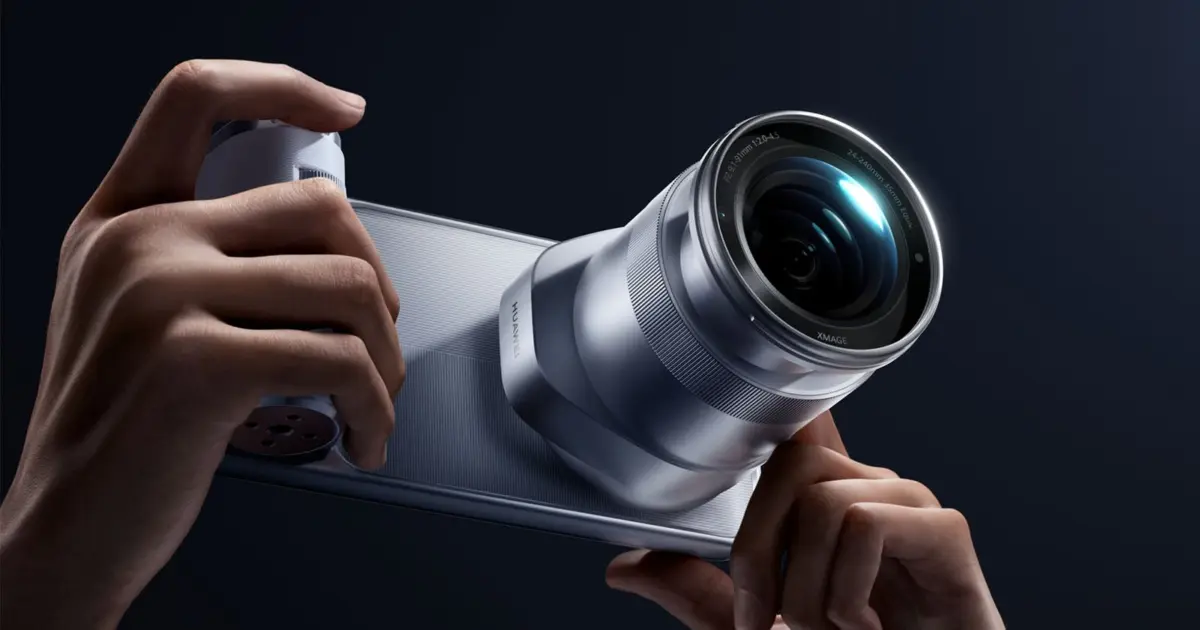
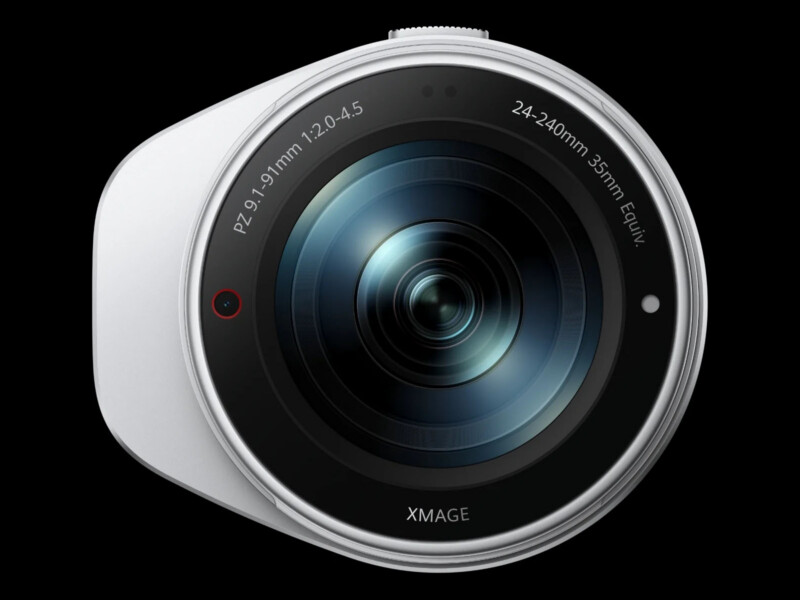
The internal construction of the lens is equally complex, featuring 19 elements arranged in six groups. This level of optical sophistication is rarely seen in the mobile space and is intended to minimize chromatic aberration, distortion, and flaring—issues that frequently plague smaller, less complex smartphone lenses. Furthermore, the Z10 features a "stepless" power zoom mechanism. Unlike standard smartphone cameras that often "jump" between different fixed focal length lenses when zooming, the Ruiying Z10 provides a smooth, continuous transition across its entire 10x range. This makes it an exceptionally capable tool for videographers who require smooth focal transitions during a take.
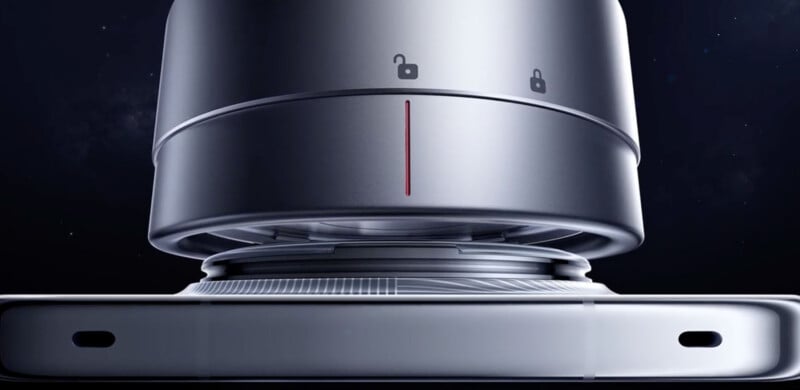
Integration with the smartphone is handled through a specialized screw-on mount system. This mechanical connection is reminiscent of how an interchangeable lens attaches to a mirrorless camera body, providing a secure and stable fit that far surpasses the clip-on or magnetic solutions of the past. The Z10 is designed to sit directly over the existing camera array of the host phone, but it functions independently of the phone’s internal optics. It does, however, rely on the smartphone for two critical components: power and processing. By drawing power from the phone’s battery and utilizing the phone’s high-performance chipset for image processing and the user interface, the Z10 avoids the bulk of an internal battery and its own dedicated processor, keeping the module as streamlined as possible.
Currently, the Ruiying Z10 is compatible with two of Huawei’s most premium devices: the Mate 90 Pro Max Collector’s Edition and the Mate 90 RS. These flagship "slab" phones are already among the most capable mobile shooters on the market, but the addition of the Z10 elevates them into a different category of imaging tool. While the module is easy to attach and detach, it does bring a significant physical presence to the device. The Z10 weighs approximately 350 grams on its own. When paired with a flagship phone that typically weighs upwards of 220 grams, the combined "camera" weighs more than half a kilogram. This creates a package that, while still more portable than a full-frame DSLR and a 24-240mm lens, is no longer a "pocketable" device in the traditional sense.
The target audience for the Ruiying Z10 appears to be the serious mobile photography enthusiast—someone who values the convenience of a smartphone workflow but refuses to compromise on optical quality. Sample images released by Huawei demonstrate the module’s capabilities, showing a level of texture, skin tone accuracy, and natural depth of field that is difficult to achieve with the small sensors and plastic lenses found inside even the best smartphones. In portraits, the 240mm equivalent reach combined with the Type 1 sensor produces a compression of features and a creamy background blur that looks distinctly "photographic" rather than "computational."