Two ways to play Vincent’s story
To solve the problem of making a historical biography interactive, the team devised two distinct gameplay roles: the Postman and the Brush.
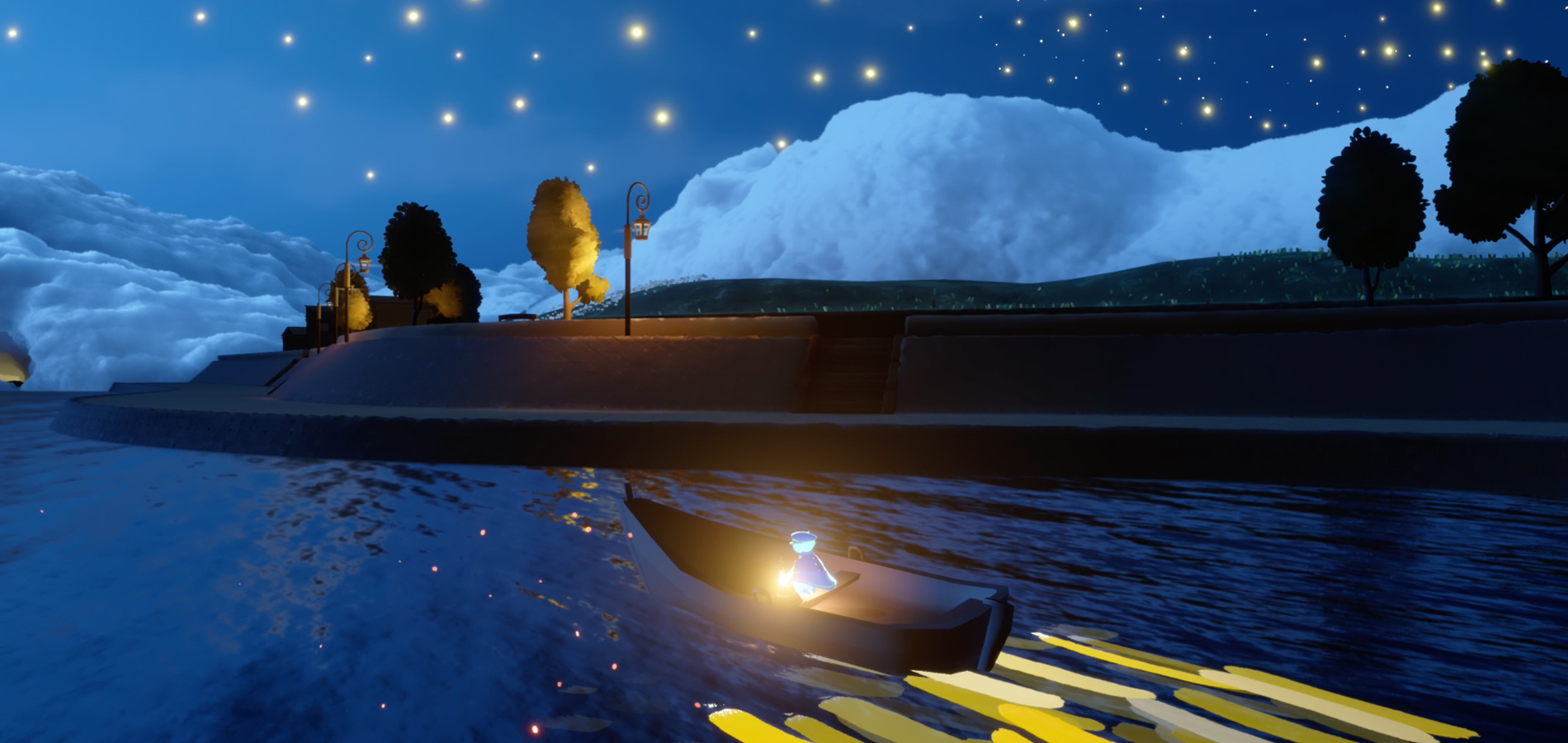
In the role of the Postman, players are tasked with delivering the letters exchanged between Vincent and Theo. This mechanic allows players to feel the weight of the emotional and financial support Theo provided. The nature of these deliveries changes to reflect the artist’s mental state; in the Arles chapter, the delivery takes place on a peaceful river, reflecting his joy during that time. In the Saint-Rémy chapter, the player must struggle against a dark, howling wind, evoking the hardships of his later years.
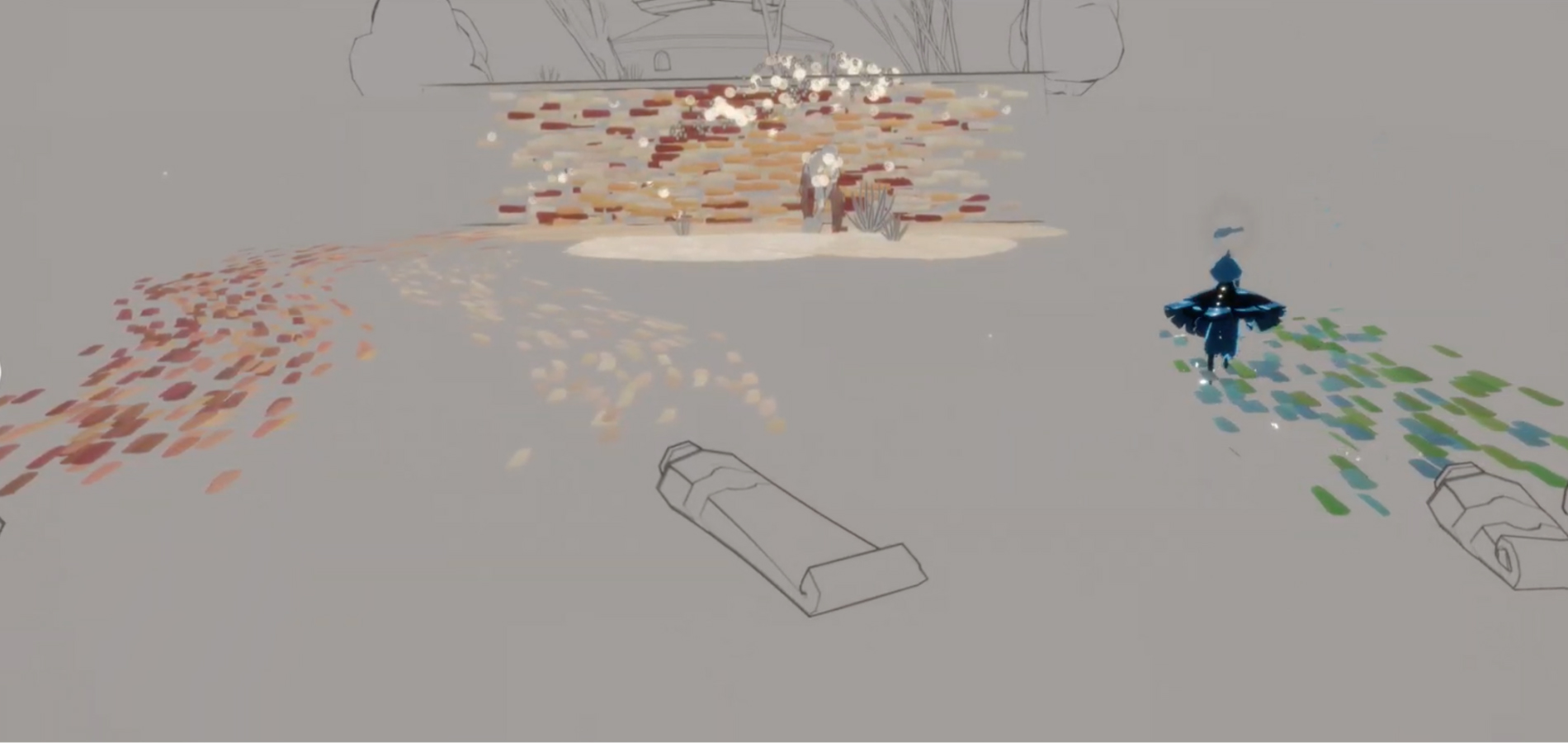
As the Brush, players become an extension of the artist’s hand. They are tasked with completing sketches, adding color to black-and-white scenes, or transforming basic textures into the season’s signature brushstrokes. This allows players to feel like they are helping Vincent realize his vision without altering the historical outcome of the paintings themselves.
The Letters and the Legacy of Johanna
The research process revealed surprising insights into the brothers’ relationship. Lu notes that Vincent was a prolific writer—estimated to have sent and received over 2,000 letters—and was often blunt in his requests for financial aid. "I hope you will be able to send money soon," was a recurring sentiment.
While many of Vincent’s letters survived because Theo kept them, only about 40 of Theo’s replies remain. These rare glimpses into Theo’s mind were incredibly moving for the developers. One line in particular—"the courage for work is far from abandoning you"—became a rallying cry for the team and served as the inspiration for the season’s finale.
Lu also emphasized the importance of Johanna van Gogh-Bonger, Theo’s wife. Following the deaths of both brothers within six months of each other, Johanna was left to raise an infant son alone. Recognizing the genius of her brother-in-law, she spent decades organizing exhibitions and editing the brothers’ correspondence for publication.
"She’s one of the reasons we know Vincent van Gogh today," Lu says. In the game, Johanna serves as a guide, staying in the gallery to help players navigate the stages of Vincent’s life. By the end of the season, players stand alongside her to witness the global recognition she helped secure.
Making Starry Night
The culmination of the season is a multiplayer recreation of Starry Night. In this finale, millions of players from around the world fly into the sky together, lighting up the darkness to form the swirling patterns of the famous painting. "So you become part of the beauty that you are witnessing," Lu says.
For Lu, the scene is the perfect marriage of visuals, narrative, and music. It is a moment of profound emotion, offering a sense of catharsis for an artist who received so little recognition during his lifetime. "I tear up for Vincent," she admits, while also feeling a sense of gratitude for the people like Theo and Johanna who supported him.
The "Dear Van Gogh" season also marked a significant shift in how thatgamecompany produces content. Traditionally, seasonal quests are released gradually over several weeks. For this project, creative director Jenova Chen suggested delivering the entire experience in a single version.
To achieve this, Lu had to overhaul the studio’s workflow, creating parallel production milestones and managing resources more efficiently. The gamble paid off; Lu reports that quest completion rates were higher than in previous seasons, as players were able to experience the emotional arc of Van Gogh’s life in a single, movie-like sitting or at their own pace.
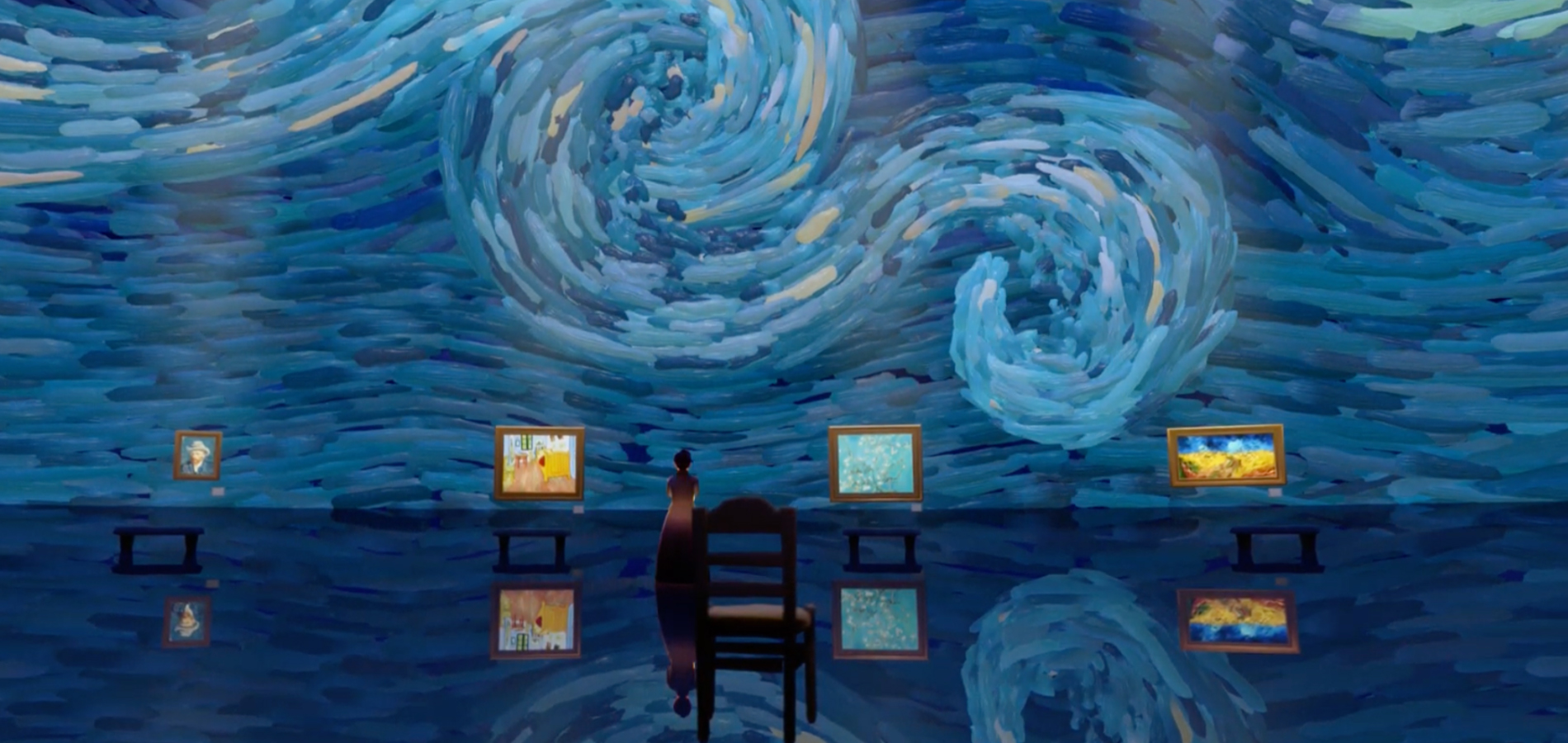
Through "Dear Van Gogh," thatgamecompany has created more than just a game level; they have built a digital monument to the persistence of the human spirit and the enduring power of art. As players fly through the stars of Saint-Rémy, they aren’t just playing a game—they are participating in a global appreciation of a legacy that was almost lost to time.