When the painting is the concept art
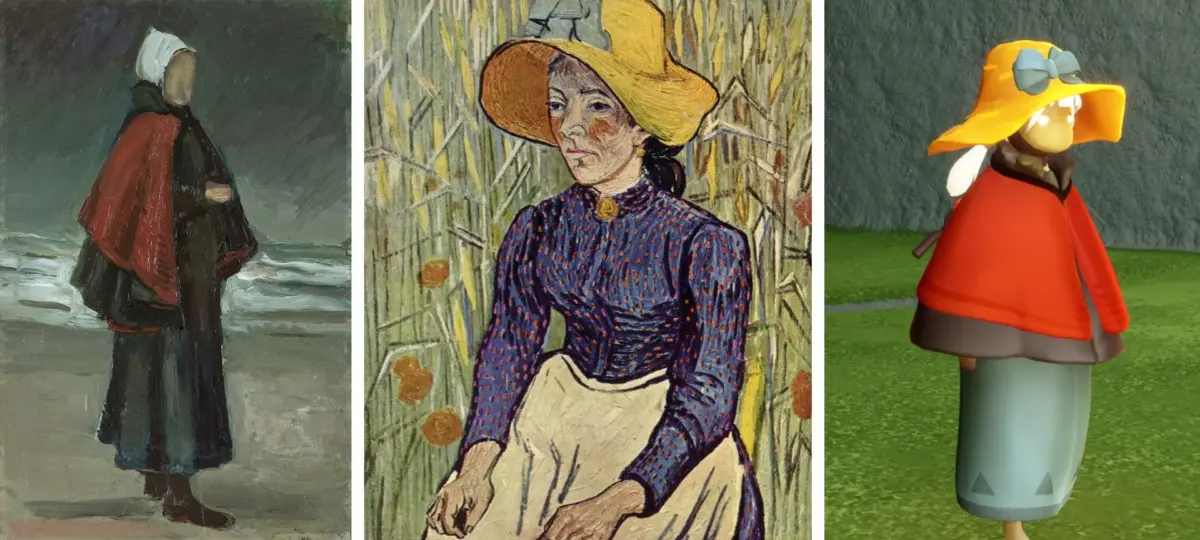
In a typical development cycle, concept artists create 2D sketches that are then translated into 3D models. For this season, the traditional workflow was reversed. The paintings themselves served as the primary concept art, acting as the ultimate reference for every environmental asset.
However, relying on digital versions of these paintings proved difficult. The team found that digital images of Van Gogh’s work varied wildly in color and tone depending on the source. To achieve true accuracy, the team dispatched representatives to museums across Europe and the Museum of Modern Art (MoMA) in New York to photograph the original works in person. These high-fidelity photos allowed the concept team to color-correct their digital assets, providing a stable reference for the 3D artists.
The commitment to authenticity extended to the architectural design. The team researched period-accurate Dutch and French architecture, particularly for the recreation of Van Gogh’s famous room in Arles. They didn’t just look at the painting; they studied the actual building’s structure to rebuild it as it existed in the late 1800s.
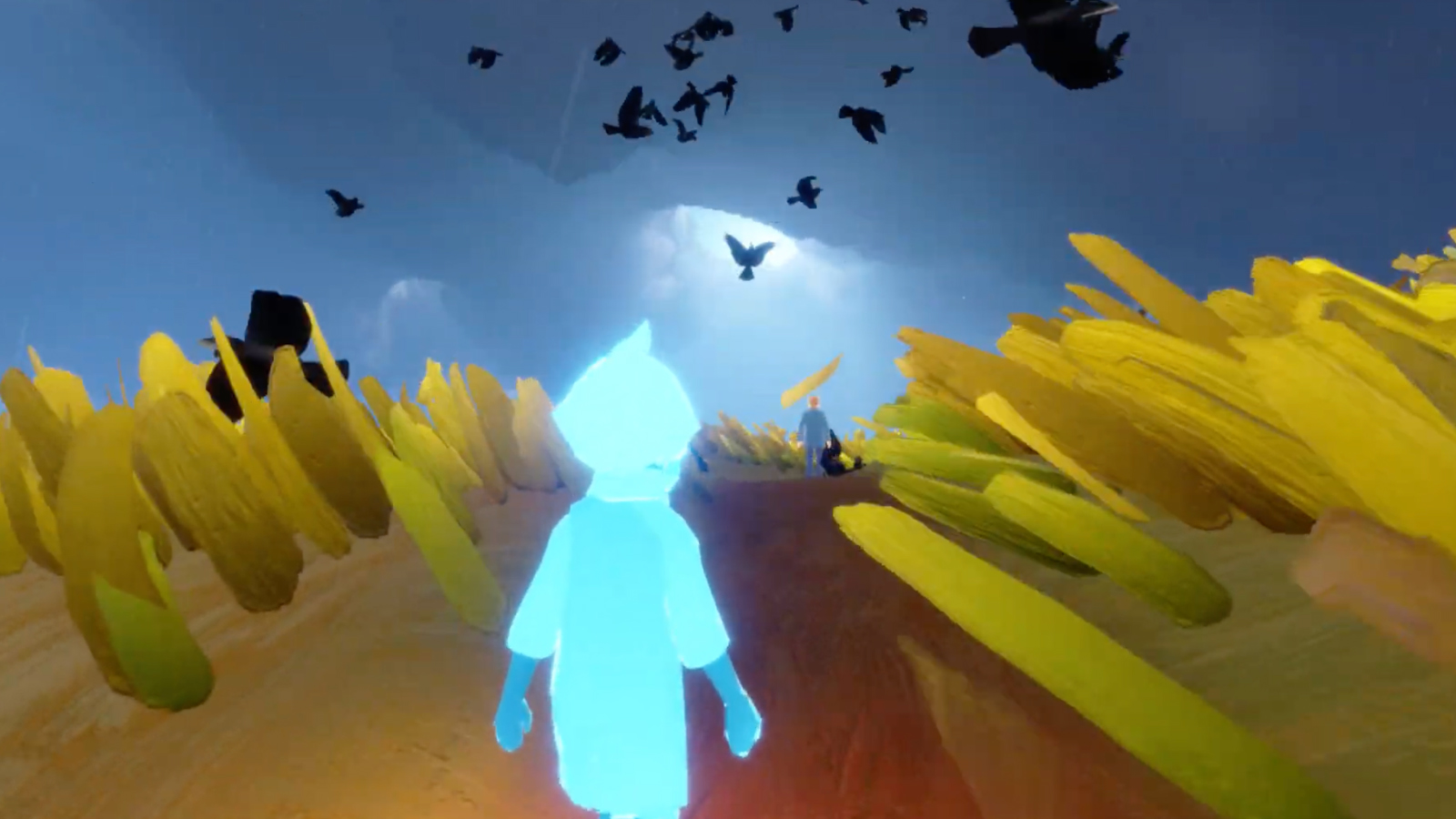
To make the town of Arles feel like a living, breathing community, the concept artists had to imagine what lay beyond the landmarks of the Yellow House and the local café. They designed additional streets and buildings that adhered to the aesthetic of the era, ensuring that the environment felt like a place where other people—not just the artist—actually lived.
Lighting also presented a unique challenge. In The Bedroom, the lighting is bright and uniform, defying the way a single window would naturally illuminate a room. To capture that specific atmosphere, the team had to use an unusually high number of light sources within the game engine. "We also had to think about what created the particular atmosphere of the painting, and then figure out how to recreate that atmosphere with the tools and limitations of a real-time game," Lu explains.
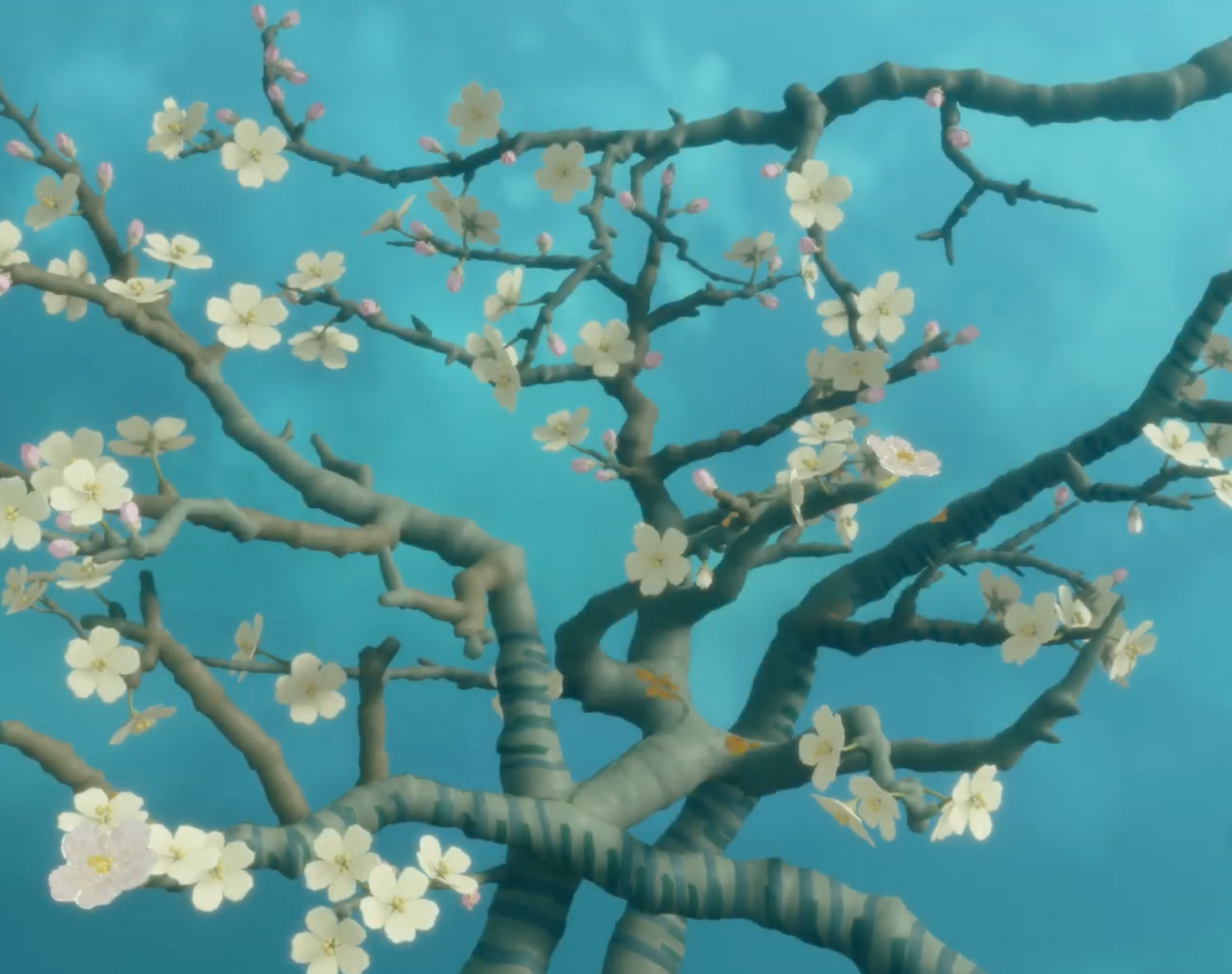
Almond Blossoms and the limits of the tree
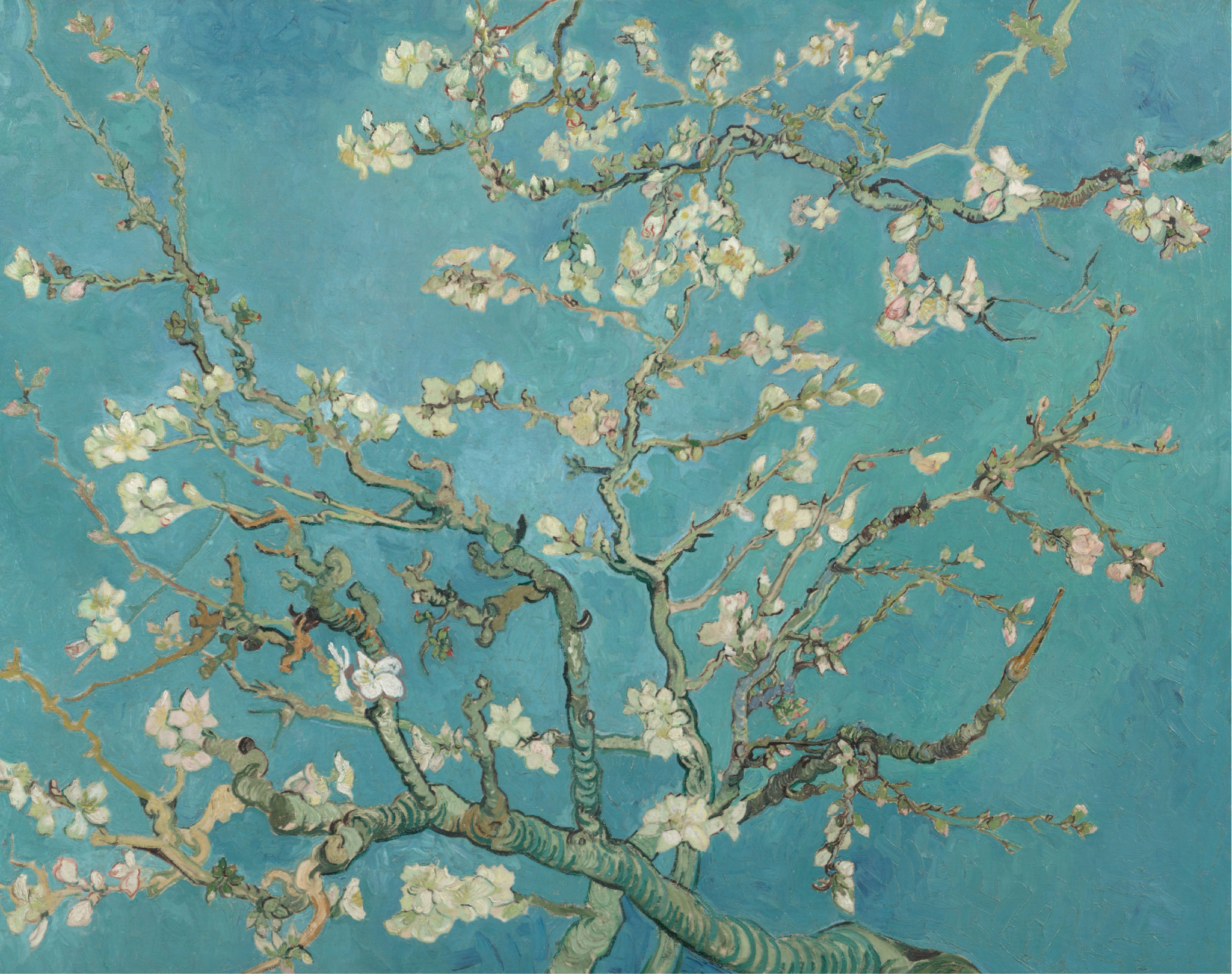
Turning Almond Blossoms into a playable level was perhaps the most ambitious undertaking of the season. The goal was to create an intuitive navigation path through the branches while maintaining a composition that looked like the original painting from specific angles.
This required a tight collaboration between quest designers and environment artists. They had to simplify the complex network of branches to ensure players wouldn’t get lost, yet they needed to preserve the primary structure that makes the painting recognizable. The decision to hide the "stray" branch in the clouds was born from this balance; it allowed the team to include a key visual element without cluttering the 3D space or ruining the "poetic quality" of the scene.
Throughout this process, the team remained dedicated to two pillars: Van Gogh’s subjects and his history. Lu points out that the artist’s focus on laborers and farmers was a defining characteristic of his work. To honor this, the team ensured that the farmer in Le Moulin de la Galette remained a permanent fixture of the digital environment.
Narrative and the weight of history
Maintaining historical accuracy while providing an interactive experience is a delicate balancing act. Lu worked closely with the design and art teams to ensure the game felt respectful of real events. "We didn’t want to add a character or create a story that would change what actually happened in Van Gogh’s life," she says.
This philosophy led to the decision to have players enter the experience as "spirit-shaded" entities. By appearing as silhouettes rather than their usual, brightly colored avatars, players are reminded that they are observers rather than participants. They are witnessing the artist’s life, but they remain separate from the historical timeline.
While the facts of his life were set in stone, the team had to interpret Van Gogh’s inner world. Since Sky uses very little dialogue, they relied on his extensive correspondence with his brother, Theo, to understand his emotional state. They then translated these feelings into visual symbolism. In the game, sunflowers are used to represent hope and love, often found in "safe" spaces like Theo’s gallery. Conversely, crows symbolize the darker, more turbulent periods of Vincent’s life.
When addressing the artist’s death by suicide, the team opted for an abstract approach to avoid being overly graphic or triggering. They depicted a crow attack to symbolize the tragic event, aiming to keep the moment "artistic and beautiful" while acknowledging the gravity of the loss.