The interest in these intergenerational programs comes at a time when many older Americans are already stepping in to provide childcare for their own families due to the rising costs of professional care. Educators and aging specialists have noted that such programs can address two social challenges at once: the epidemic of loneliness among the elderly and the need for nurturing environments for young children. Research into these models suggests that regular contact between the two generations can lead to improved moods and reduced isolation for seniors, while children often display higher levels of empathy, increased self-esteem, and a reduction in age-related stereotyping.
Filling the middle-income gap
The expansion of the Bezos Academy network comes as the United States faces a deepening childcare affordability crisis. For many families, the cost of preschool has become a prohibitive expense that rivals or exceeds the cost of housing or higher education. While the federal Head Start program provides a critical safety net, it is generally restricted to families living at or below the federal poverty line, leaving a vast segment of the population without access to subsidized care.
School leaders have identified a significant "middle-income gap" where families earn too much to qualify for state or federal aid but not enough to afford private tuition. In Arizona, this gap is particularly pronounced. Data from the Arizona Department of Economic Security indicates that as of September 25, 2026, there were 9,088 families and 15,044 children on the waiting list for state childcare assistance. The state’s assistance program is currently capped at 165% of the federal poverty level, a threshold that excludes many working-class and lower-middle-class families.
Bezos Academy addresses this by setting a much higher eligibility ceiling. Families with a household income of up to 400% of the federal poverty level are eligible to apply. For the 2026–2027 school year, this means a family of four earning up to $132,000 annually could qualify for the program. By targeting this demographic, the Academy aims to support families who are often squeezed by the rising cost of living but lack the traditional markers of extreme poverty required for other social services.
The program’s "no-cost" promise is comprehensive. Bezos Academy covers all operating expenses, including educational materials, nutritious meals, books, field trips, and even basic classroom supplies. This ensures that families do not face "hidden" costs that often accompany supposedly free programs. The organization’s website states that its goal is to "nurture the potential in every child to become a creative leader, original thinker, and lifelong learner."
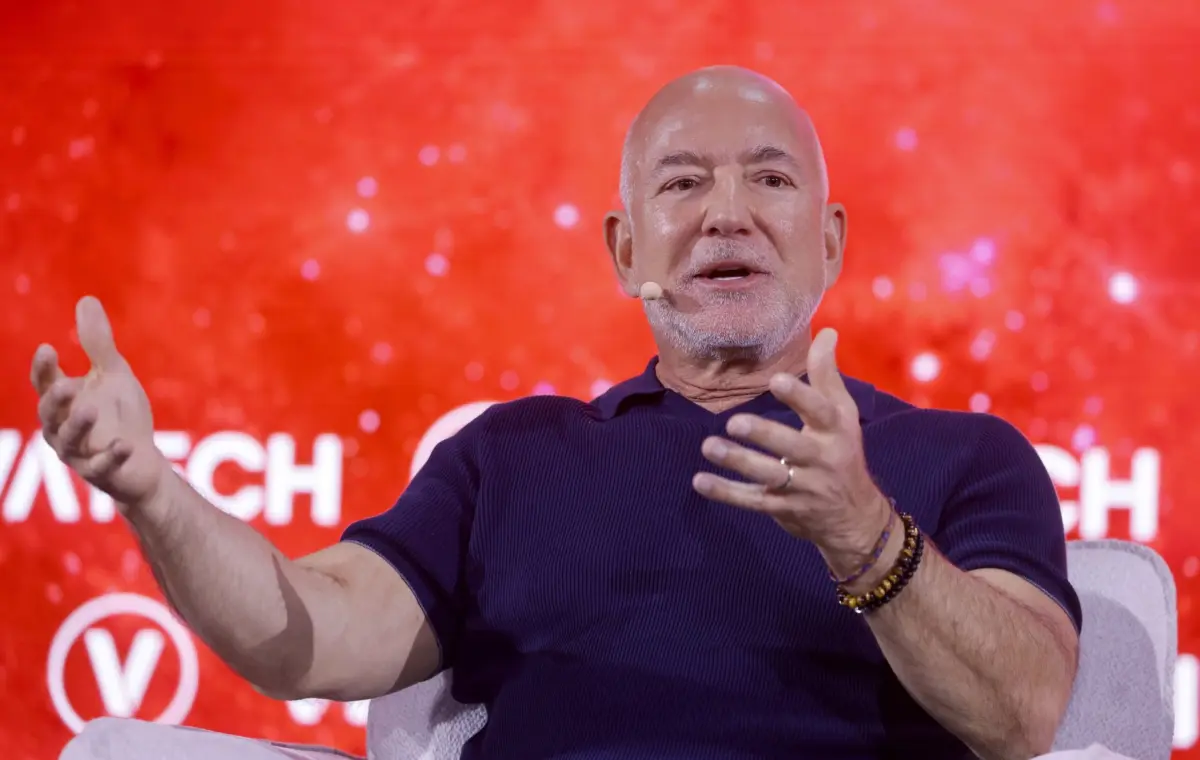
The funding for this ambitious network is primarily derived from Jeff Bezos’ personal philanthropy. The effort is rooted in the $2 billion Bezos Day One Fund, which he announced in 2018. The schools are operated by Day 1 Academies, a nonprofit that receives substantial gifts of Amazon stock to fund its mission. In 2024, Bezos donated approximately $117 million in stock to the cause, followed by nearly $97 million in 2025. These funds, combined with the contributions of host partners who provide the physical space for the schools, allow the network to operate more than 40 preschools across Arizona, Florida, Hawaii, Kentucky, Texas, and Washington.