Arizona State University (ASU) also pushed back against the implications of the investigation. A spokesperson for ASU highlighted the university’s massive scale, noting that it educates more Science, Technology, Engineering, and Math (STEM) majors than any other university in the country. The university maintains one of the largest technical and scientific workforces in the United States, a feat that ASU argues is only possible by hiring the best available talent from around the globe. "This benefits both the Arizona and the United States economies," the ASU spokesperson stated, adding that all hiring has been done in "complete compliance with existing United States policy and law."
Similarly, Stanford University and MIT expressed their commitment to following visa regulations while stressing the importance of global talent. A Stanford spokesperson stated that the university complies with all applicable laws and would cooperate with the Labor Department. Kimberly Allen, the executive director of media relations at MIT, noted that the university is currently reviewing what she described as a "very broad" subpoena from the Department of Labor. Allen pointed out that the J-1 visa process is already a rigorous one, with the U.S. government itself vetting every individual holder before they arrive on campus.
"We value international students and scholars on our campus," Allen said. "America’s ability to attract top talent from around the world while protecting U.S. economic and security interests is a national strength, and that competitive advantage should be supported."
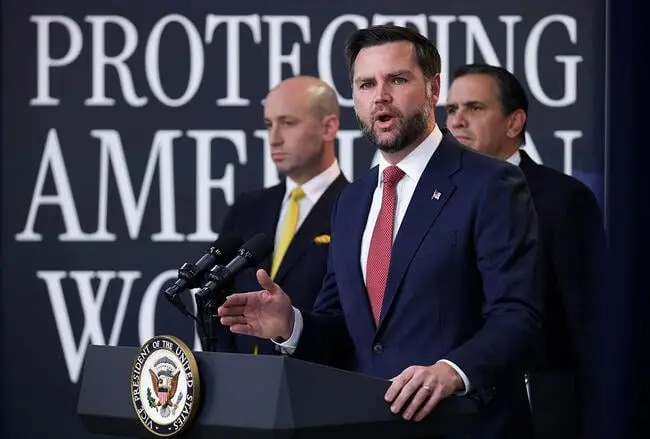
The tension between the administration and the universities reflects a broader debate over the "global race for talent" versus the protection of domestic labor markets. While universities argue that the J-1 program is a vital conduit for the "brain drain" that brings the world’s smartest researchers to American shores, the Vice President and the Labor Department frame it as a loophole that allows wealthy institutions to pad their bottom lines by suppressing wages. By highlighting the $20,000 pay discrepancy, the administration is positioning the investigation as a populist defense of the American middle class and the next generation of domestic scientists who may feel squeezed out of a competitive academic job market.
The investigation is expected to be a lengthy and complex process, as investigators sift through thousands of payroll records, grant applications, and visa filings. The Labor Department has indicated that it will look closely at the financial relationships between the universities and the foreign entities that often sponsor or facilitate these exchanges. As the task force moves forward, the focus remains on whether these nine institutions have prioritized their endowments and research output over the economic well-being of the American workers they are tasked with educating and employing. With subpoenas already served and a "follow the money" mandate in place, the conflict between the federal government and the upper echelons of American academia appears set for a significant legal and political showdown.