Once mature and paired, these cuddly couples migrate together against the normal flow of blood, exiting the liver to take up residency within the larger blood vessels of the abdomen—specifically the mesenteric veins that connect the liver to the lower gastrointestinal tract. From these abdominal vascular strongholds, the adult pairs feed and begin generating massive quantities of eggs.
Under typical circumstances, the female worm spews out eggs into the tiny venules of the intestinal wall. A substantial portion of these eggs migrate through the mucosal lining of the bowel and are excreted from the host’s body in feces, thereby perpetuating the parasite’s transmission cycle in the environment.
However, because the blood vessels of the mesenteric system are directly connected to systemic circulation pathways, a portion of the produced eggs can be swept backward or carried away by blood flow. In the case of Schistosoma japonicum, the eggs are relatively small and round, making them particularly capable of migrating through small blood vessels and embolizing to distant organ systems.
When parasite eggs escape into the general circulatory network, they can occasionally bypass normal physiological barriers and lodge in ectopic locations, including the central nervous system. Once an egg becomes trapped within the fine blood vessels of the brain tissue, it triggers a potent inflammatory reaction from the host’s immune system.
The immune response attempts to wall off the foreign parasitic material by forming granulomatous nodules around the eggs. In the brain, this localized tissue reaction generates surrounding fluid accumulation, or edema, which exerts structural pressure on adjacent brain tissue.
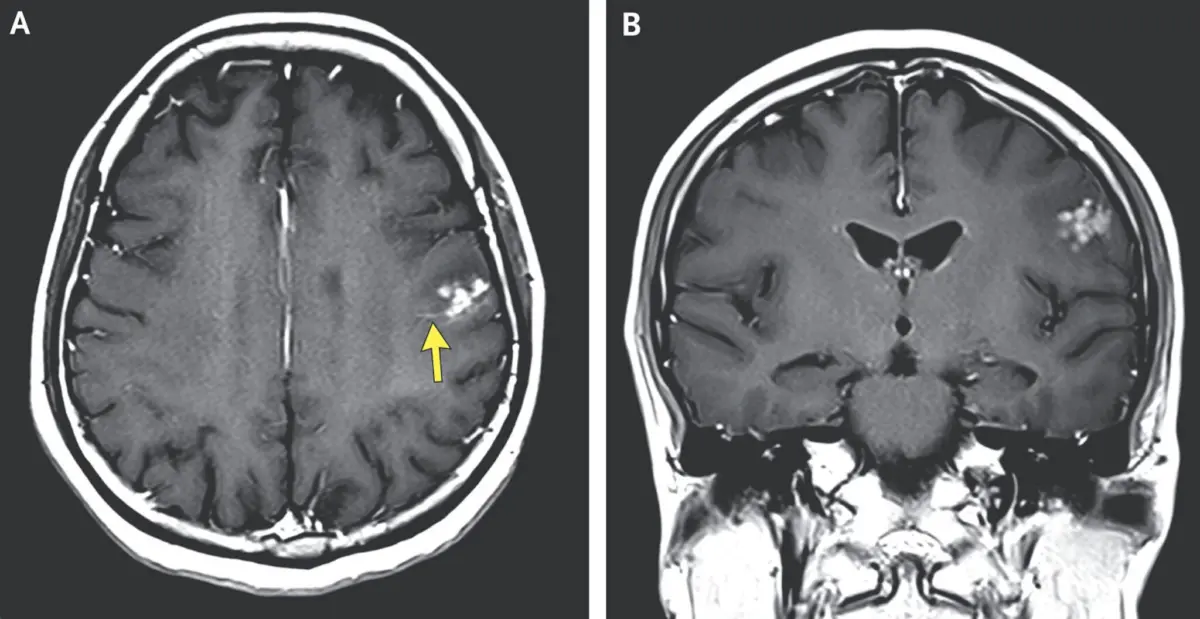
When this process occurs in the motor regions of the left frontal lobe, as was the case for the Filipino farmer, the localized inflammation and swelling disrupt normal electrical activity in the brain. This acute cortical irritation triggers sudden, involuntary electrical discharges, resulting in the abrupt onset of focal motor seizures that cause the opposite side of the body to shake uncontrollably.
The case presented in the New England Journal of Medicine underscores the complex diagnostic challenges posed by tropical parasitic infections when they manifest in non-typical organs. While schistosomiasis primarily affects the gastrointestinal and hepatic systems in endemic regions, clinicians evaluating patients with sudden, unexplained neurological symptoms must remain vigilant regarding the possibility of central nervous system involvement—particularly when treating individuals with high occupational exposure to freshwater environments.