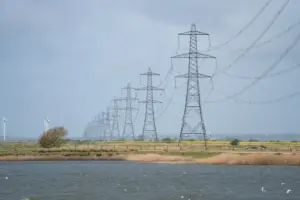
However, reaching the 1.5GW target is not without its hurdles. The report identifies several major near-term constraints that could stifle growth if not addressed by industry leaders and policymakers. Chief among these is grid capacity. As more renewable projects seek to connect to the electricity network, the existing infrastructure is increasingly strained. National Grid Electricity Distribution is already working to address this, as evidenced by a broader commitment to invest £624 million into modernizing the electricity network to ensure it can handle the influx of green energy. Without significant investment in grid reinforcement and reforms to the connection process, many community projects may find themselves stuck in a long queue, unable to contribute to the national energy mix.
Beyond the technical challenges of the grid, the report highlights the need for better access to finance and specialized skills. Developing a renewable energy project is a complex undertaking that requires expertise in planning, engineering, law, and finance—skills that are not always readily available within small community groups. Furthermore, the lack of reliable revenue support has made it difficult for some organizations to secure the necessary upfront investment. To combat this, the study calls for clearer definitions of what constitutes community energy, alongside dedicated revenue support mechanisms and comprehensive capacity-building initiatives. These measures would provide local groups with the stability and knowledge required to take projects from the initial concept through to operation.
The social and economic value of community energy is already being felt across the regions covered by the report. Currently, there are approximately 170 community energy organizations operating within the network’s areas. These organizations are more than just energy producers; they are local employers and engines of social investment. In 2024 alone, these groups employed 304 people and reinvested more than £1.2 million back into their local communities. This reinvestment often takes the form of fuel poverty alleviation programs, local environmental projects, or grants for community facilities. Unlike large-scale commercial developments where profits are often distributed to distant shareholders, community energy ensures that the financial benefits of the energy transition remain within the local area, fostering a sense of ownership and public support for renewable infrastructure.
David Witherspoon, the Community Energy Manager at National Grid Electricity Distribution, emphasized the importance of this research in shaping the company’s future strategy. He noted that the report provides a much-needed understanding of the trajectory of community energy and the specific factors that can unlock its full potential. By identifying where opportunities exist and pinpointing the exact types of support that local groups require, the utility provider can better tailor its services to help these projects come to fruition. Witherspoon’s comments reflect a growing recognition within the utility sector that the transition to a net-zero economy must be inclusive and that local communities are essential partners in that journey.