In the fast-paced world of global branding, where companies often compete for attention through increasingly loud and extravagant marketing campaigns, the most impactful statements are sometimes those whispered rather than shouted. This philosophy of understated elegance was a hallmark of the late Steve Jobs, whose minimalist aesthetic and singular focus on functional design redefined the modern world. Now, as the creative community reflects on the fifteen years since the passing of the Apple co-founder, the footwear giant New Balance has chosen to honor his enduring influence through a remarkably subtle and thoughtful homage that has resonated deeply with design enthusiasts and tech historians alike.
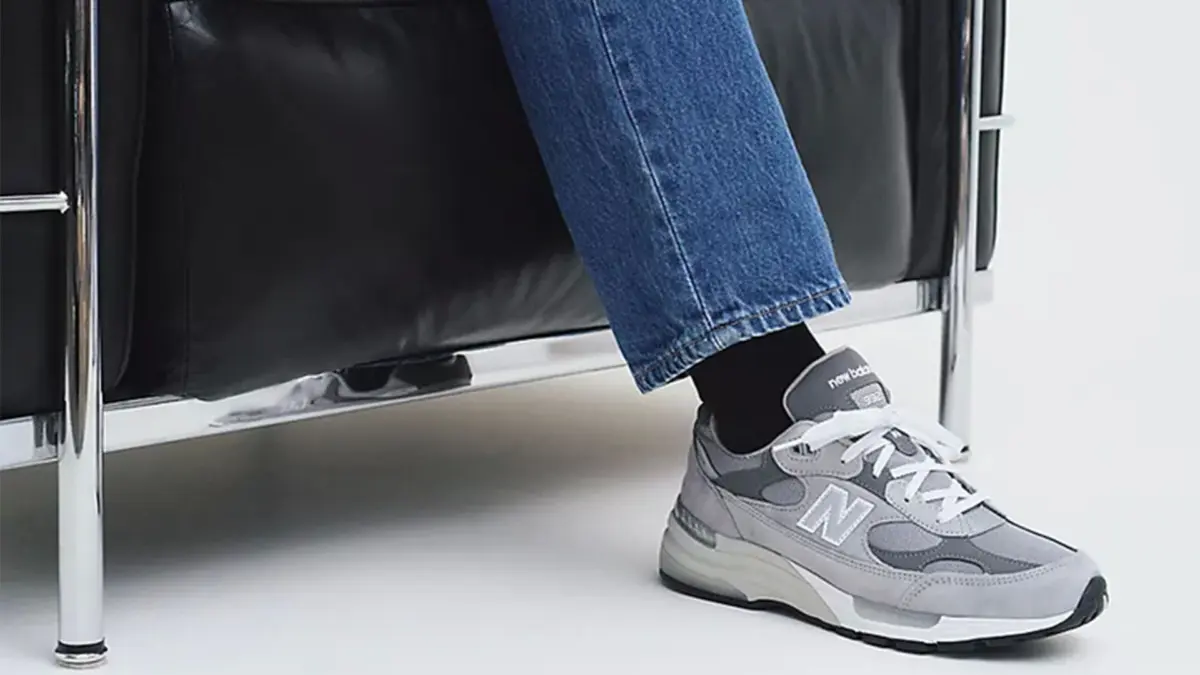
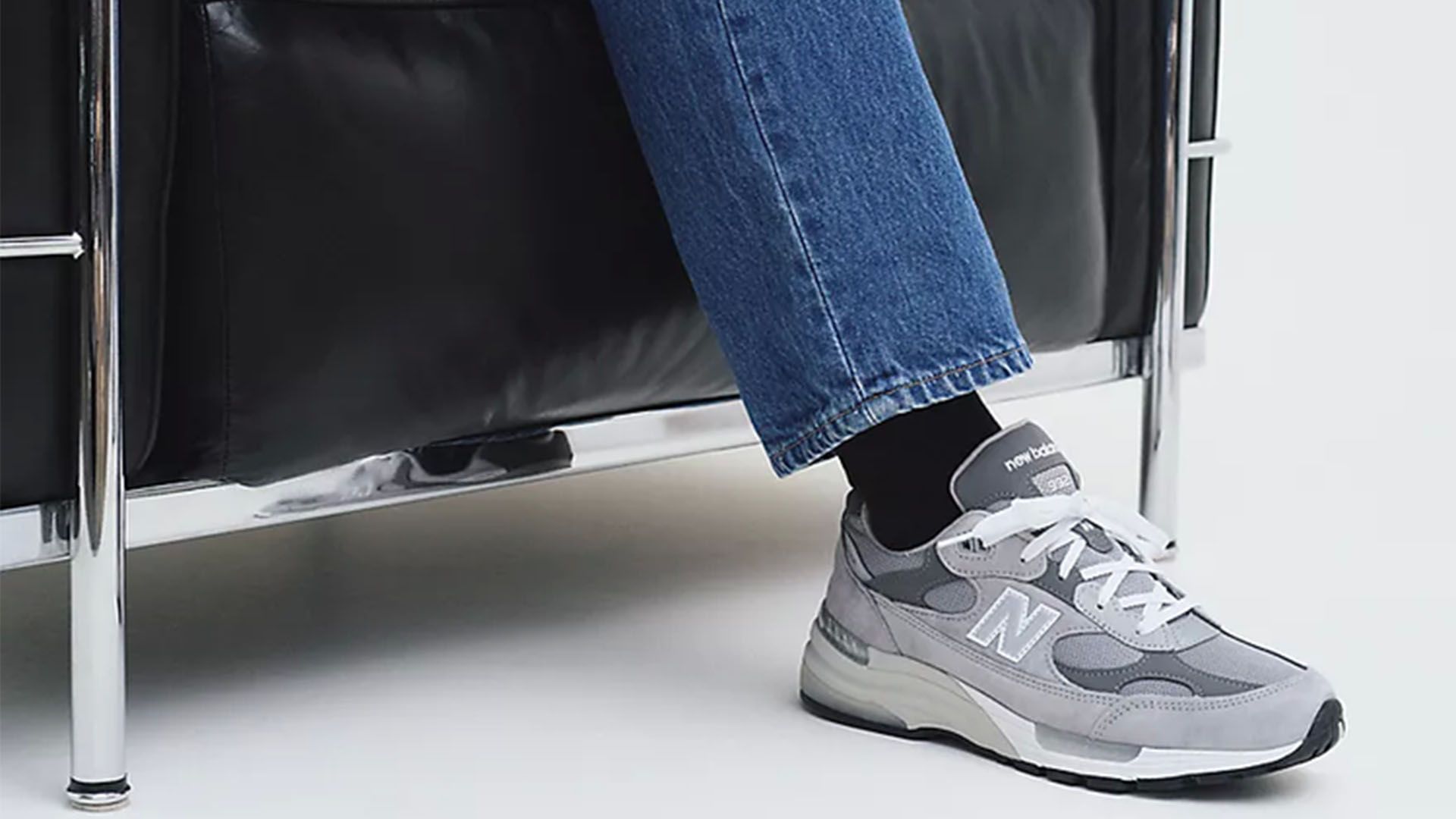
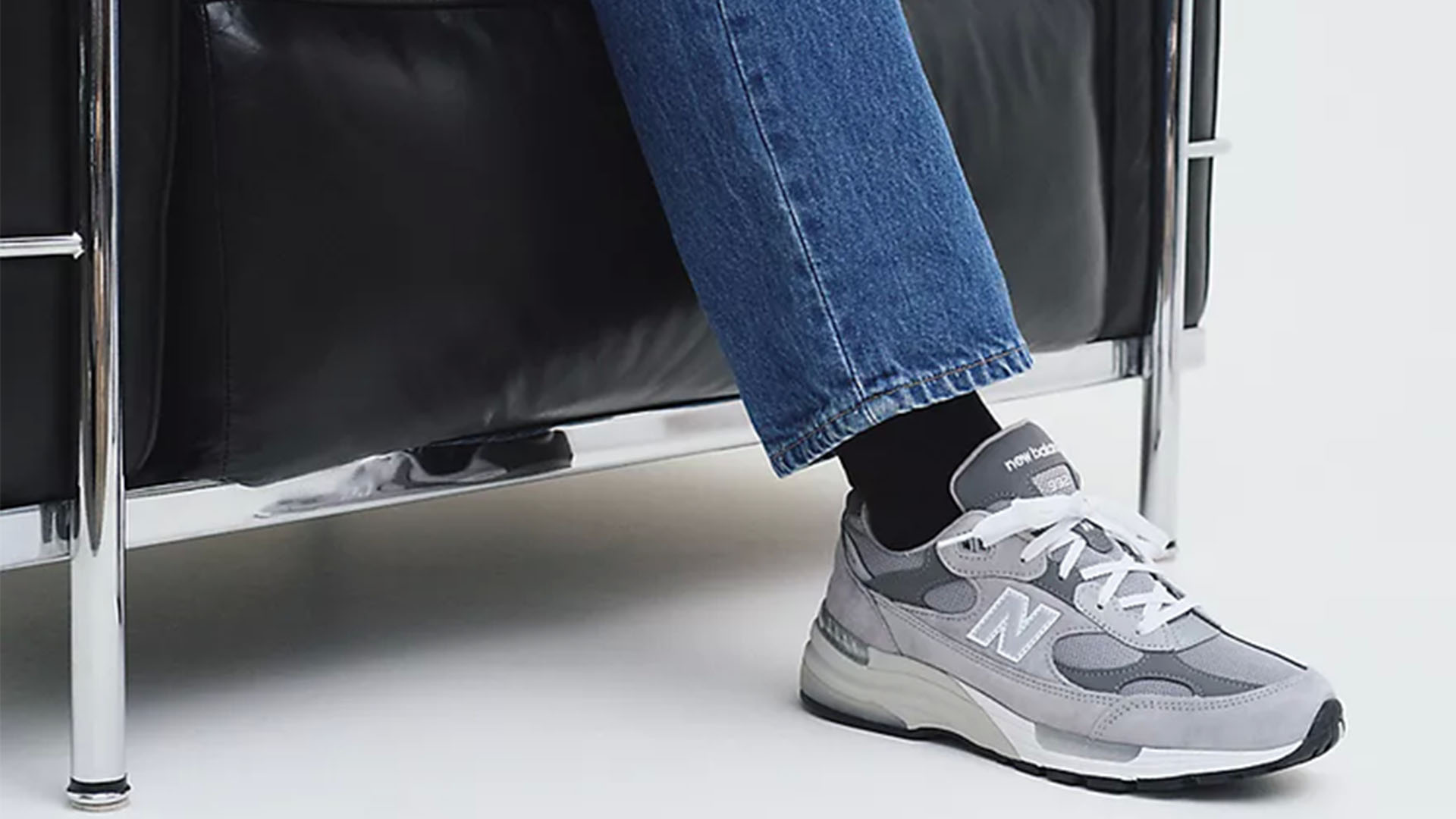
The tribute comes in the form of a promotional campaign for the New Balance 992, a sneaker that has long been inextricably linked to Jobs’ public persona. Rather than releasing a flashy limited-edition collaboration or a dedicated "tribute shoe" adorned with overt branding, New Balance opted for a sophisticated "Easter egg" hidden within its latest promotional imagery. The brand has meticulously recreated one of the most famous photographs of Jobs, taken during the seminal 2010 presentation of the original iPad. In the original image, Jobs is seen seated in a minimalist leather chair, leaning forward with a sense of quiet intensity, a posture that became synonymous with his role as the world’s premier storyteller of technology.
By mirroring this specific pose in their latest promotional shots for the grey 992s, New Balance has managed to bridge the gap between footwear heritage and tech history. The recreation is so precise yet so understated that it requires a certain level of cultural literacy to identify, a move that branding experts suggest is a masterclass in "if you know, you know" marketing. It serves as a nod to the "uniform" that Jobs famously adopted during the latter part of his career—a wardrobe consisting of a black Issey Miyake turtleneck, Levi’s 501 jeans, and, most notably, a pair of grey New Balance sneakers.
The relationship between Steve Jobs and New Balance was not merely a matter of casual coincidence. Jobs was known for his rigorous attention to detail and his appreciation for products that balanced form and function without unnecessary ornamentation. The New Balance 99x series, and specifically the 992 model, fit this criteria perfectly. Introduced in 2006 to coincide with the brand’s 100th anniversary, the 992 featured the proprietary ABZORB stability technology and a pigskin suede upper that offered a level of comfort and durability suited for a man who spent countless hours on his feet, pacing the stages of the Yerba Buena Center for the Arts or the Moscone Center.
Legend within the footwear industry even suggests that Jobs himself may have had a hand in the conceptualization of the 99x series. Reports have long circulated that Jobs wrote to Jim Davis, the chairman of New Balance, requesting a shoe that was "more sporty and hip" than the traditional walking shoes available at the time. Whether or not Jobs directly influenced the design blueprints, his consistent choice to wear the brand during the most pivotal moments of the digital revolution—including the launches of the iPhone and the iPad—provided New Balance with an organic endorsement that money simply could not buy.
This latest creative choice by New Balance has sparked a wave of appreciation across social media platforms, where users have praised the brand for its restraint. On X, formerly known as Twitter, the reaction was swift and overwhelmingly positive. One user noted that the campaign is "proof that the best branding doesn’t need to shout," highlighting the "brilliant little detail" that rewards observant fans. Another commentator expressed a deep fondness for "the kind of details I adore," pointing to the emotional connection that such a tribute can foster between a brand and its audience.
The decision to reference the 2010 iPad presentation is particularly poignant. That event marked a significant turning point in personal computing, as Jobs introduced a device that sat between the smartphone and the laptop, focusing on the "lean-back" experience of consuming media. The imagery of Jobs sitting in a chair, rather than standing behind a lectern, was a deliberate choice meant to emphasize the comfort and intimacy of the new device. By placing their sneaker in that same context, New Balance subtly aligns its product with the concepts of comfort, innovation, and the thoughtful lifestyle that Jobs championed.
Beyond the immediate visual reference, the homage speaks to the broader evolution of Apple and the tech industry in the decade and a half since Jobs’ passing. While Apple has continued to grow into the world’s most valuable brand, expanding its ecosystem into services, wearables, and spatial computing, the core philosophy of "Simplicity is the ultimate sophistication" remains a guiding light. New Balance’s gesture suggests that this philosophy is not confined to the halls of Cupertino but has permeated the wider world of design and branding.
The New Balance 992 itself has undergone a cultural transformation in recent years. Once categorized as the quintessential "dad shoe," it has been reclaimed by the "normcore" fashion movement and the high-fashion world alike. Its association with Jobs has played a significant role in this transition, elevating the shoe from a functional piece of athletic equipment to a symbol of intellectualism and creative focus. In an era of "hype culture" and limited-drop sneakers that often prioritize aesthetic flair over longevity, the 992 stands as a testament to the power of consistent, high-quality design.
This campaign also highlights the enduring power of a well-crafted personal brand. Steve Jobs understood that by wearing the same outfit every day, he was removing a minor decision from his morning routine, allowing him to preserve his creative energy for more important tasks. This "uniform" became a visual shorthand for his dedication to his work. New Balance, by leaning into this history, isn’t just selling a shoe; they are tapping into the narrative of a man who changed the world. They are inviting the consumer to be part of a legacy of innovation and purposeful living.
The effectiveness of this tribute lies in its authenticity. There is no forced collaboration logo, no "Steve Jobs Edition" embossed on the heel, and no press release claiming a formal partnership. Instead, it is a quiet acknowledgment of a historical fact: one of the greatest creative minds of the 21st century chose this specific product to carry him through his most important work. For a brand like New Balance, which prides itself on its heritage and its "Made in USA" manufacturing roots, this level of authenticity is more valuable than any celebrity endorsement.
As the marketing landscape continues to shift toward digital-first strategies and influencer-led campaigns, New Balance’s "Easter egg" approach serves as a reminder that there is still a place for nuance. It challenges the audience to look closer and to appreciate the history behind the products they consume. For those who remember the excitement of a Steve Jobs keynote, the image of the grey 992 in that familiar pose is a touching reminder of an era that redefined how we interact with the world.
In the end, the tribute is as much about the future as it is about the past. It reinforces the idea that true design icons never really go out of style. Whether it is a perfectly engineered tablet or a meticulously crafted sneaker, quality and simplicity have a timeless appeal. New Balance has successfully navigated the delicate balance of honoring a legend without exploiting his memory, proving that in the world of design, sometimes the most profound statements are the ones that are felt rather than heard. The grey 992 continues to walk the path laid out by Jobs—a path of functional excellence, understated style, and a relentless commitment to the idea that the best way to predict the future is to invent it.