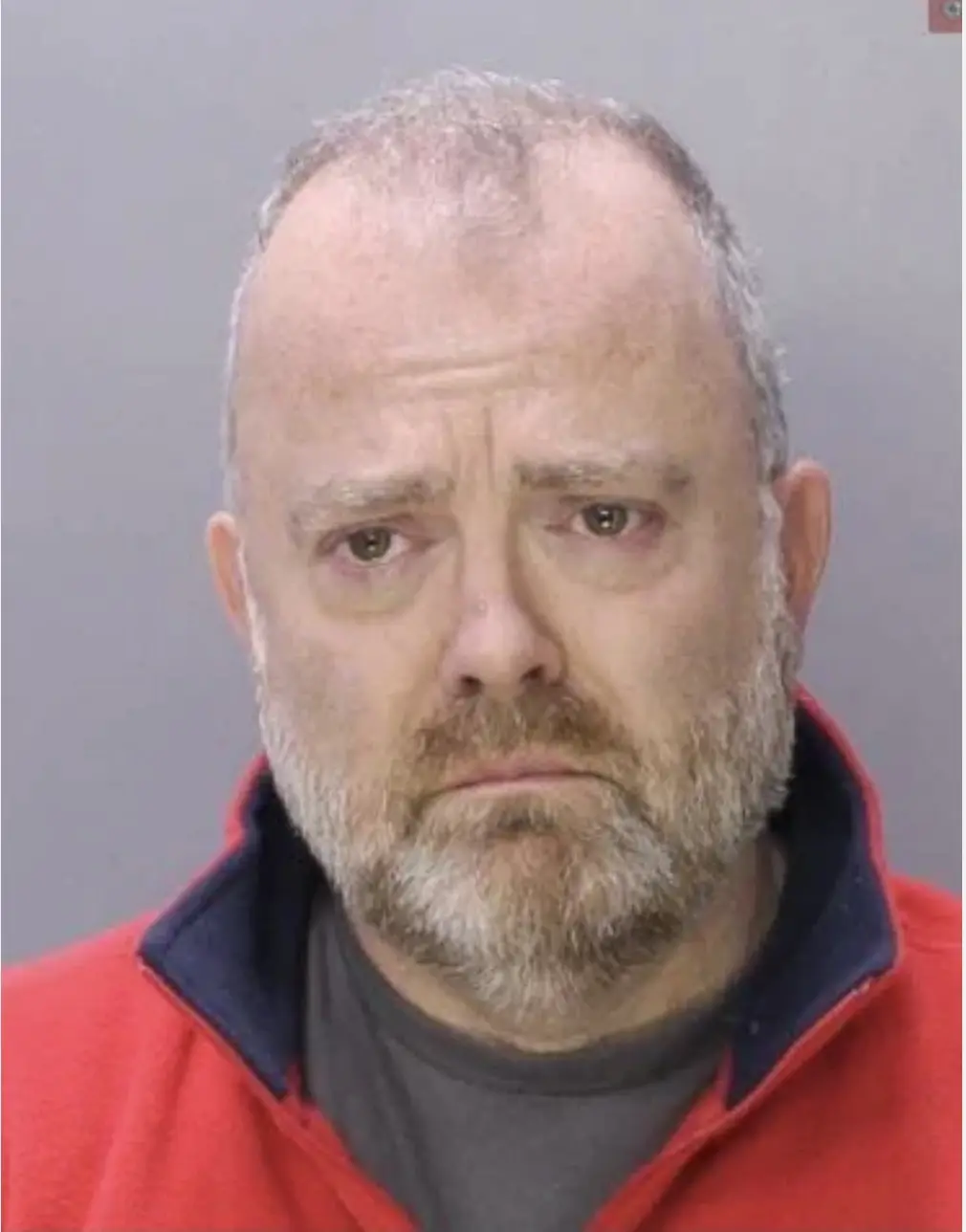
Addressing the grave nature of the allegations against a public official, District Attorney Khan stressed that professional status would provide no shelter from aggressive criminal prosecution. Khan noted that the integrity of the legal system depends on the equal application of justice, regardless of an individual’s rank, background, or public office.
“No one is above the law, least of all someone entrusted with upholding it,” Khan said in his public statement. The district attorney reiterated that state prosecutors would approach the matter with absolute seriousness and determination. “Our office will pursue these cases aggressively and hold offenders fully accountable, regardless of their profession or title.”
Khan’s comments emphasize a critical legal principle that has taken center stage as generative artificial intelligence tools become more accessible. By publicly aligning New Jersey’s prosecutorial approach with federal Department of Justice standards, Khan underscored that the technological method used to synthesize sexual abuse material does not lessen its illegality or the gravity of the offense. Prosecutors view the generation, possession, and sharing of synthetic CSAM as severe criminal acts that demand rigorous investigation and prosecution, regardless of whether the imagery depicts a real individual or a computer-generated persona.
The charges against Fitzgerald arrive amid a growing global conversation about the misuse of artificial intelligence by individuals in positions of trust and authority. While cases involving state prosecutors remain exceptionally rare, recent incidents in other law enforcement contexts demonstrate that artificial intelligence deepfakes and synthetic explicit media have emerged as serious threats across multiple law enforcement bodies.
Earlier this year, a notable case emerged in Pennsylvania when a state police corporal was arrested for using artificial intelligence to create sexually explicit deepfakes. In that instance, investigators found that the corporal had accessed state driver’s license databases—a system available to him through his official role—to extract photographs of citizens. He then utilized generative AI software to transform those driver’s license images into explicit deepfake media without the consent of the individuals involved. The Pennsylvania incident sparked widespread outrage, illustrating how official access to public database systems could be combined with emerging digital technologies to violate personal privacy and commit predatory acts.