To support the day-to-day operations of the scheme and ensure the timely collection of materials from return points, a massive investment in transport logistics has also been announced. Around 400 new recycling vehicles are set to be introduced to the UK’s roads, specifically dedicated to facilitating the collection of DRS materials. This fleet will be the primary link between the consumer-facing return points and the industrial-scale processing plants. The introduction of these vehicles is a clear indication of the logistical complexity involved in moving billions of individual items from dispersed locations back into a centralized recycling system.
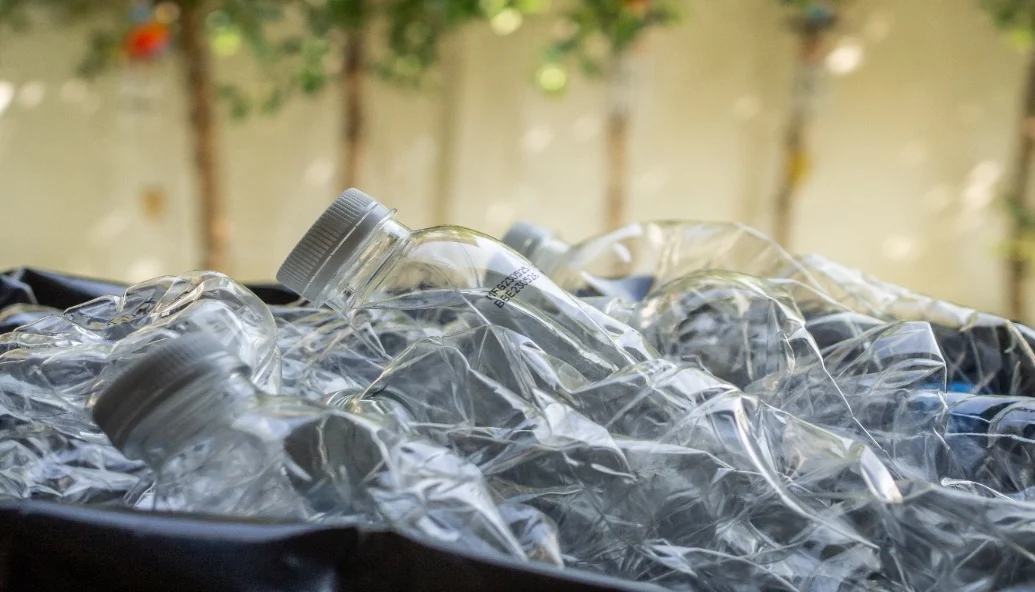
The environmental necessity of the DRS is underscored by the current statistics surrounding UK waste. The 6.5 billion containers that currently fail to be recycled every year represent a massive loss of valuable raw materials. When these containers end up in landfills or as litter, they contribute to the degradation of local ecosystems and the pollution of waterways. The new infrastructure spearheaded by Exchange For Change is designed to capture this "lost" material, turning what was once a waste problem into a sustainable resource stream. By ensuring that the collected material is processed to a high enough quality to be used in new food-grade packaging, the scheme reduces the need for virgin plastic and aluminum production, which is significantly more energy-intensive and carbon-heavy.
The role of the five appointed waste management providers will be central to the success of this transition. These companies will need to manage a complex web of collection routes, ensuring that return points—which could include supermarkets, smaller retailers, and dedicated kiosks—are serviced regularly. The processing aspect is equally critical; once collected, the containers must be sorted by material type and color, and any contaminants must be removed. This high level of purity is what allows the material to be sold back to beverage producers, creating a true circular economy where a bottle can be returned, recycled, and back on a store shelf as a new bottle within a matter of weeks.
The choice of October 2027 for the initial launch reflects the time required to build the necessary physical and digital infrastructure to support a nationwide scheme. It involves not just the construction of processing plants and the procurement of a 400-strong vehicle fleet, but also the integration of technology at return points to verify returns and issue deposit refunds to consumers. The subsequent goal of having the three new purpose-built facilities operational by 2030 suggests a phased approach to capacity building, allowing the system to mature and scale up as public participation reaches the 90% target seen in other successful European models.