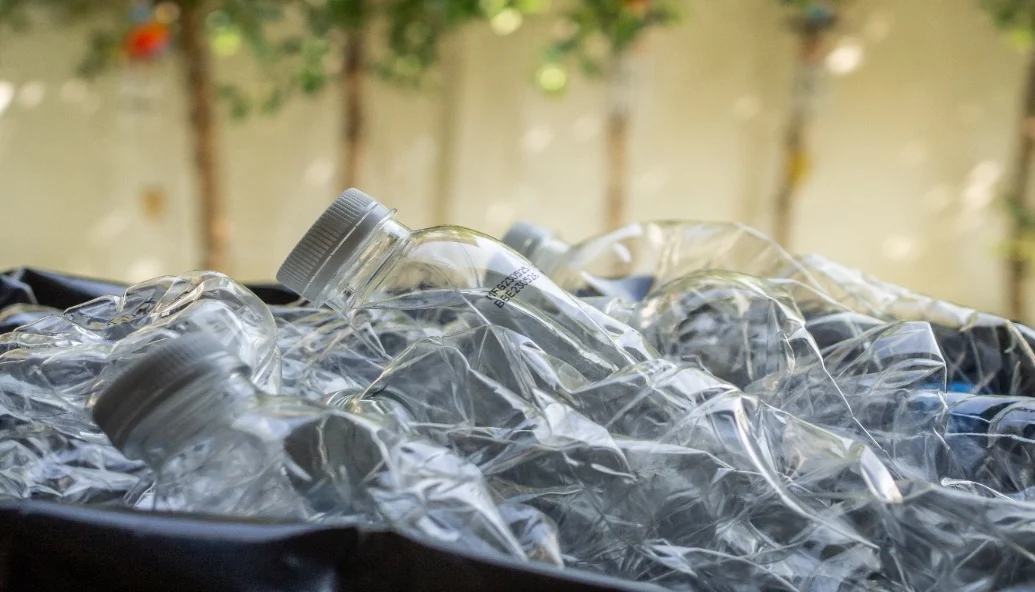
As part of this comprehensive rollout, five major waste management and recycling providers have been formally appointed to manage the intricate logistics and processing activities required to sustain the scheme nationwide. These five organizations will hold the responsibility for the end-to-end journey of returned beverage containers, beginning with the collection of bottles and cans from thousands of designated return points across the UK. Beyond mere transport, these partners will oversee the specialized processing of these materials, ensuring they are sorted and treated to a standard that allows them to be recycled directly back into new drink containers. This "closed-loop" approach is essential for reducing the environmental impact of the beverage industry, which currently sees approximately 6.5 billion containers lost to waste annually in the UK alone.
The implementation of a Deposit Return Scheme is a response to long-standing environmental concerns regarding single-use packaging. By placing a small, refundable deposit on drink containers, the scheme incentivizes consumers to return their empty bottles and cans rather than discarding them in general waste or as litter. The evidence for the effectiveness of such systems is well-documented across the European continent. In countries where a DRS is already operational, return rates for beverage containers average around 90%. This high level of recovery not only ensures a steady supply of high-quality recycled material for manufacturers but also significantly reduces the volume of plastic, glass, and aluminum that enters the natural environment.
Russell Davies, the Chief Executive of Exchange For Change, emphasized the broader implications of this project beyond simple waste collection. He noted that the initiative is fundamentally about the long-term health of the UK’s environment and economy. According to Davies, the project is not only about preventing waste from polluting towns, the countryside, rivers, and beaches, but also about investing for the long-term in new environmental infrastructure, jobs, and opportunities across the UK. He highlighted that the partnership with the five waste management companies is designed to create a resilient and scalable collections network, which will be critical in ensuring that the processing of DRS materials remains efficient even as the volume of returns grows.
The scale of the infrastructure investment is substantial, with plans already in place for a second phase of expansion that looks well into the next decade. As part of this forward-looking strategy, the companies involved have committed to the creation of three brand-new, purpose-built processing facilities. These state-of-the-art hubs will be located in Cambridgeshire, Merseyside, and Avonmouth. These locations have been strategically selected to provide optimal geographic coverage, ensuring that materials collected from various regions of the UK can be processed quickly and efficiently. These three facilities are currently aimed to be fully operational by October 2030, representing a multi-year commitment to domestic recycling capacity.
To support the day-to-day operations of the scheme and ensure the timely collection of materials from return points, a massive investment in transport logistics has also been announced. Around 400 new recycling vehicles are set to be introduced to the UK’s roads, specifically dedicated to facilitating the collection of DRS materials. This fleet will be the primary link between the consumer-facing return points and the industrial-scale processing plants. The introduction of these vehicles is a clear indication of the logistical complexity involved in moving billions of individual items from dispersed locations back into a centralized recycling system.
The environmental necessity of the DRS is underscored by the current statistics surrounding UK waste. The 6.5 billion containers that currently fail to be recycled every year represent a massive loss of valuable raw materials. When these containers end up in landfills or as litter, they contribute to the degradation of local ecosystems and the pollution of waterways. The new infrastructure spearheaded by Exchange For Change is designed to capture this "lost" material, turning what was once a waste problem into a sustainable resource stream. By ensuring that the collected material is processed to a high enough quality to be used in new food-grade packaging, the scheme reduces the need for virgin plastic and aluminum production, which is significantly more energy-intensive and carbon-heavy.
The role of the five appointed waste management providers will be central to the success of this transition. These companies will need to manage a complex web of collection routes, ensuring that return points—which could include supermarkets, smaller retailers, and dedicated kiosks—are serviced regularly. The processing aspect is equally critical; once collected, the containers must be sorted by material type and color, and any contaminants must be removed. This high level of purity is what allows the material to be sold back to beverage producers, creating a true circular economy where a bottle can be returned, recycled, and back on a store shelf as a new bottle within a matter of weeks.
The choice of October 2027 for the initial launch reflects the time required to build the necessary physical and digital infrastructure to support a nationwide scheme. It involves not just the construction of processing plants and the procurement of a 400-strong vehicle fleet, but also the integration of technology at return points to verify returns and issue deposit refunds to consumers. The subsequent goal of having the three new purpose-built facilities operational by 2030 suggests a phased approach to capacity building, allowing the system to mature and scale up as public participation reaches the 90% target seen in other successful European models.
This investment in infrastructure also aligns with broader trends in the UK recycling sector, where there is an increasing move toward more sustainable operational practices. This includes exploring alternative fuels for the logistics sector, such as the transition from diesel to hydrogen-powered vehicles, as seen in other modern UK recycling plants. By integrating these forward-thinking technologies and infrastructure projects, Exchange For Change and its partners are positioning the UK to become a leader in efficient, high-volume material recovery.
The geographic distribution of the new processing facilities in Cambridgeshire, Merseyside, and Avonmouth is particularly significant. These regions will become central hubs for the "green economy," likely resulting in the creation of localized jobs in engineering, logistics, and facility management. By spreading the infrastructure across the East, the North West, and the South West of England, the scheme ensures that the logistical burden is distributed and that the benefits of the investment are felt across different parts of the country.
As the UK moves closer to the 2027 launch date, the focus will remain on ensuring that the five appointed providers can deliver a seamless experience for both retailers and consumers. The resilience and scalability mentioned by Russell Davies will be tested as the scheme aims to handle the billions of containers that currently end up in the bin. If the UK can match the 90% return rates achieved by its European neighbors, the environmental impact will be profound, significantly cleaning up the nation’s landscapes and providing a blueprint for how large-scale industrial cooperation can solve pressing environmental challenges.
The announcement marks a definitive timeline for a project that has been the subject of extensive discussion within the environmental and retail sectors. With the logistical providers now in place, the specialized vehicle fleet promised, and the construction of new processing facilities on the horizon, the UK’s Deposit Return Scheme has moved from a policy concept to a tangible infrastructure project. The coming years will be a period of intense construction and logistical planning as Exchange For Change works to meet the 2027 and 2030 milestones, ultimately aiming to transform the lifecycle of every bottle and can sold in the United Kingdom.