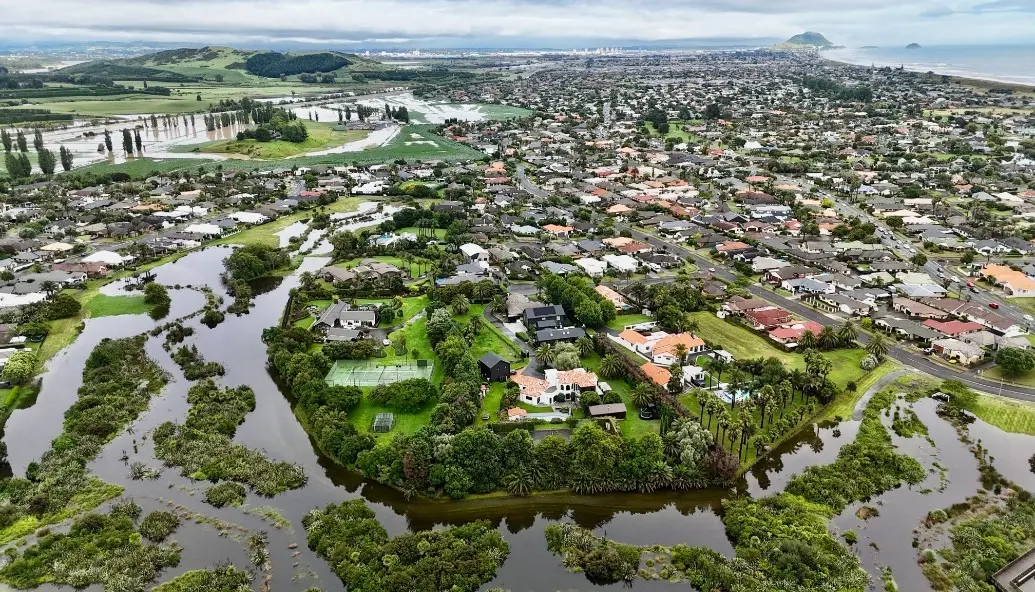
This increase in atmospheric moisture capacity translates into a dramatic shift in the frequency of "once-in-a-generation" weather events. The government’s projections suggest that in some areas, rainfall events that were historically expected to occur once every ten years could soon occur twice as frequently. This doubling of high-intensity rainfall events poses a severe challenge to existing urban drainage systems, river management schemes, and agricultural land use. The infrastructure built in the 20th century was designed for a climate that no longer exists, and the rapid transition to a more volatile hydrological cycle is likely to result in more frequent flash flooding, landslides, and river breaches.
The report paints a picture of a nation caught between two aqueous threats: the encroaching sea and the intensifying sky. The data regarding 2025’s record greenhouse gas concentrations underscores the global nature of the challenge, yet the specific statistics regarding New Zealand’s warming oceans and vulnerable road networks highlight a uniquely local crisis. The faster-than-average warming of the surrounding seas suggests that the South Pacific may be particularly sensitive to current shifts in global ocean currents and heat distribution, placing New Zealand on the front lines of the maritime climate struggle.
The human element of these findings cannot be overstated. The isolation of 140,000 residents is not merely a statistical projection; it represents a fundamental threat to the social fabric and safety of dozens of communities. When businesses are cut off, the economic ripple effects extend far beyond the immediate flood zone, impacting national productivity and the cost of living. The potential for "catastrophic" glacier melt further adds a layer of cultural and environmental loss that is difficult to quantify but deeply felt by the population.
As the government continues to digest these findings, the report serves as a definitive call for enhanced adaptation and mitigation strategies. The evidence shows that the impacts of climate change are already embedded in the country’s current environmental trajectory, from the record-high levels of nitrous oxide in the air to the warming currents of the Tasman Sea and Pacific Ocean. With seven of the ten warmest years occurring in the last decade, the window for gradual adjustment appears to be closing, replaced by a need for urgent resilience planning to protect both the natural landscape and the essential infrastructure that supports New Zealand’s way of life.