A comprehensive and sobering new report released by the New Zealand government has cast a stark light on the intensifying climate crisis facing the archipelago, warning of a future defined by more frequent heatwaves and the potential for catastrophic glacier loss. The findings, which aggregate the latest environmental data and atmospheric monitoring, suggest that the window for mitigating the most severe impacts of a warming planet is narrowing, as the nation grapples with record-breaking greenhouse gas concentrations and an ocean that is warming significantly faster than the global average.
At the heart of the report is a troubling update on the state of the atmosphere. According to the data, concentrations of carbon dioxide (CO2), methane, and nitrous oxide all reached their highest recorded levels in New Zealand in 2025. These three gases are the primary drivers of the greenhouse effect, trapping heat within the Earth’s atmosphere and altering long-term weather patterns. The spike in methane and nitrous oxide is particularly significant for New Zealand, given the country’s unique economic profile and its reliance on the primary sector. While carbon dioxide remains the most prevalent long-term driver of global warming, methane is a far more potent heat-trapping gas in the short term, and nitrous oxide, often associated with agricultural practices and soil management, further compounds the atmospheric burden. The fact that all three reached record highs simultaneously in 2025 serves as a clear indicator that the atmospheric chemistry surrounding the islands is shifting into uncharted territory.
The tangible results of these rising concentrations are already being felt across the country’s temperature records. The report highlights a sustained and rapid warming trend, noting that New Zealand has warmed by approximately 1.36°C since 1909. While a rise of just over one degree may seem modest in a vacuum, the acceleration of this trend in recent years is what most alarms climate scientists and policymakers. According to the government’s findings, seven of the ten warmest years ever recorded in New Zealand have occurred since 2016. This clustering of extreme heat years suggests that the "new normal" is not a steady state, but a trajectory of continued warming that shows no signs of plateauing.
This atmospheric warming is inextricably linked to the health of New Zealand’s iconic cryosphere. The report warns that the country is at risk of more frequent and intense heatwaves, which could lead to catastrophic glacier melts in the near future. The Southern Alps, which define the landscape of the South Island, have long been home to thousands of glaciers that act as natural water towers, regulating river flows and supporting a robust tourism industry. However, as summer temperatures soar and heatwaves become more persistent, these glaciers are losing mass at an unsustainable rate. The loss of these ice bodies would not only represent a profound change to the nation’s natural heritage but would also have cascading effects on hydroelectric power generation, regional water security, and the delicate ecosystems that rely on cold-water runoff.
The crisis is not confined to the land. The report provides a startling look at the state of the marine environment, revealing that the oceans surrounding New Zealand are warming 34% faster than the global average. This rapid marine warming is particularly consequential for an island nation with one of the largest exclusive economic zones in the world. Oceans act as a massive heat sink, absorbing the vast majority of the excess energy trapped by greenhouse gases. However, when the rate of warming outpaces global trends to such a degree, it triggers a series of ecological and physical shifts. Marine heatwaves are becoming more common, threatening the biodiversity of New Zealand’s coastal waters and the stability of its fisheries. Furthermore, warmer water expands, contributing to sea-level rise and increasing the energy available for coastal storms.
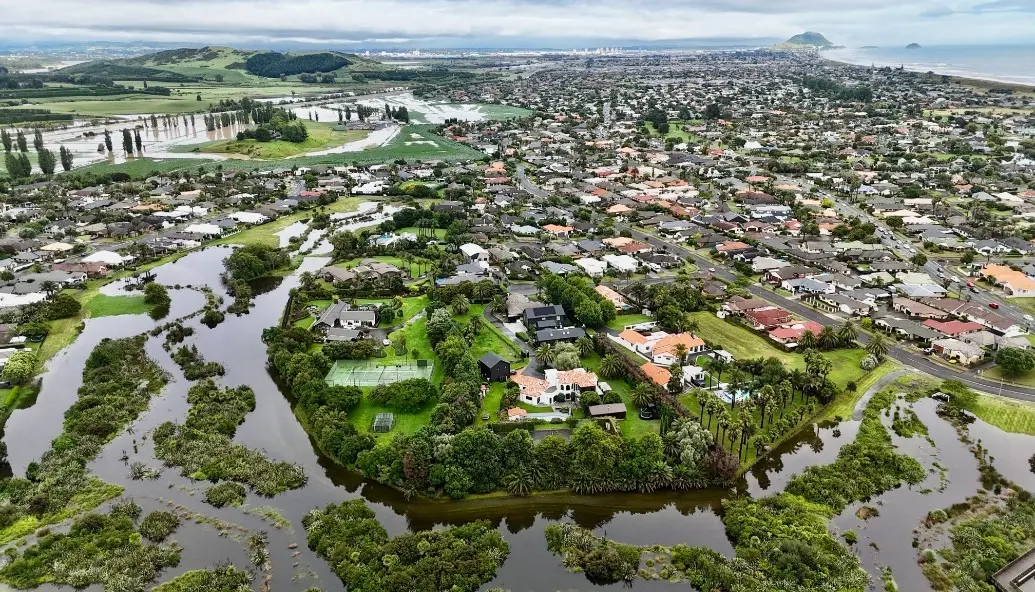
The intersection of rising seas and warming temperatures is already beginning to take a toll on the nation’s man-made environment. The government’s analysis indicates that climate change is no longer just an environmental issue but a direct threat to critical infrastructure. The report finds that approximately 1% of New Zealand’s total road network is currently exposed to the threat of coastal flooding. While 1% may sound like a small fraction, the geographical reality of New Zealand—a country with a rugged interior and many communities nestled along the coastline—means that these specific road segments are often vital lifelines.
The potential socio-economic consequences of this exposure are immense. The report estimates that the disruption of these vulnerable coastal roads could isolate around 140,000 people from essential goods and services. For many rural and coastal communities, there are few, if any, alternative routes; a single washout or a flooded coastal highway can effectively cut off access to hospitals, schools, and grocery supplies. The impact on the economy is equally concerning, with an estimated 15,000 businesses at risk of being isolated or seeing their supply chains severed. The logistical challenge of maintaining or relocating this infrastructure in the face of rising tides represents one of the most significant fiscal hurdles the country will face in the coming decades.
Beyond the threat of the rising sea, the report also warns of the increasing danger from above. Flooding is expected to become a more common and destructive occurrence as extreme rainfall events grow in severity. The science behind this trend is well-established: a warmer atmosphere has a higher capacity to hold moisture. The report states that human-induced warming increases extreme daily rainfall by approximately 5% to 8% for every 1°C of warming. With New Zealand already having warmed by 1.36°C, the intensity of downpours has already shifted upward, and further warming will only exacerbate the problem.
This increase in atmospheric moisture capacity translates into a dramatic shift in the frequency of "once-in-a-generation" weather events. The government’s projections suggest that in some areas, rainfall events that were historically expected to occur once every ten years could soon occur twice as frequently. This doubling of high-intensity rainfall events poses a severe challenge to existing urban drainage systems, river management schemes, and agricultural land use. The infrastructure built in the 20th century was designed for a climate that no longer exists, and the rapid transition to a more volatile hydrological cycle is likely to result in more frequent flash flooding, landslides, and river breaches.
The report paints a picture of a nation caught between two aqueous threats: the encroaching sea and the intensifying sky. The data regarding 2025’s record greenhouse gas concentrations underscores the global nature of the challenge, yet the specific statistics regarding New Zealand’s warming oceans and vulnerable road networks highlight a uniquely local crisis. The faster-than-average warming of the surrounding seas suggests that the South Pacific may be particularly sensitive to current shifts in global ocean currents and heat distribution, placing New Zealand on the front lines of the maritime climate struggle.
The human element of these findings cannot be overstated. The isolation of 140,000 residents is not merely a statistical projection; it represents a fundamental threat to the social fabric and safety of dozens of communities. When businesses are cut off, the economic ripple effects extend far beyond the immediate flood zone, impacting national productivity and the cost of living. The potential for "catastrophic" glacier melt further adds a layer of cultural and environmental loss that is difficult to quantify but deeply felt by the population.
As the government continues to digest these findings, the report serves as a definitive call for enhanced adaptation and mitigation strategies. The evidence shows that the impacts of climate change are already embedded in the country’s current environmental trajectory, from the record-high levels of nitrous oxide in the air to the warming currents of the Tasman Sea and Pacific Ocean. With seven of the ten warmest years occurring in the last decade, the window for gradual adjustment appears to be closing, replaced by a need for urgent resilience planning to protect both the natural landscape and the essential infrastructure that supports New Zealand’s way of life.