The crisis is not confined to the land. The report provides a startling look at the state of the marine environment, revealing that the oceans surrounding New Zealand are warming 34% faster than the global average. This rapid marine warming is particularly consequential for an island nation with one of the largest exclusive economic zones in the world. Oceans act as a massive heat sink, absorbing the vast majority of the excess energy trapped by greenhouse gases. However, when the rate of warming outpaces global trends to such a degree, it triggers a series of ecological and physical shifts. Marine heatwaves are becoming more common, threatening the biodiversity of New Zealand’s coastal waters and the stability of its fisheries. Furthermore, warmer water expands, contributing to sea-level rise and increasing the energy available for coastal storms.
The intersection of rising seas and warming temperatures is already beginning to take a toll on the nation’s man-made environment. The government’s analysis indicates that climate change is no longer just an environmental issue but a direct threat to critical infrastructure. The report finds that approximately 1% of New Zealand’s total road network is currently exposed to the threat of coastal flooding. While 1% may sound like a small fraction, the geographical reality of New Zealand—a country with a rugged interior and many communities nestled along the coastline—means that these specific road segments are often vital lifelines.
The potential socio-economic consequences of this exposure are immense. The report estimates that the disruption of these vulnerable coastal roads could isolate around 140,000 people from essential goods and services. For many rural and coastal communities, there are few, if any, alternative routes; a single washout or a flooded coastal highway can effectively cut off access to hospitals, schools, and grocery supplies. The impact on the economy is equally concerning, with an estimated 15,000 businesses at risk of being isolated or seeing their supply chains severed. The logistical challenge of maintaining or relocating this infrastructure in the face of rising tides represents one of the most significant fiscal hurdles the country will face in the coming decades.
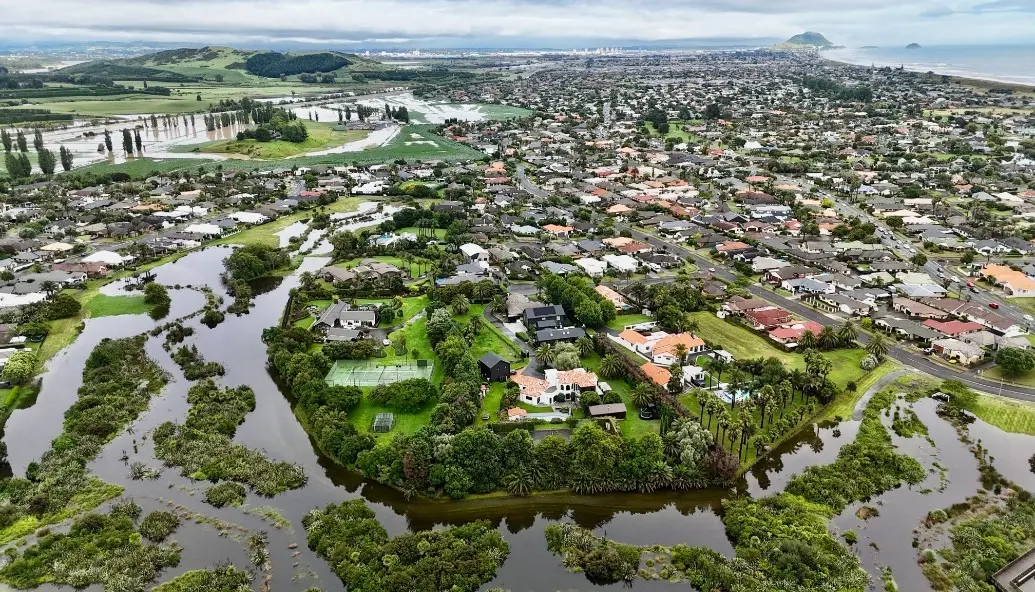
Beyond the threat of the rising sea, the report also warns of the increasing danger from above. Flooding is expected to become a more common and destructive occurrence as extreme rainfall events grow in severity. The science behind this trend is well-established: a warmer atmosphere has a higher capacity to hold moisture. The report states that human-induced warming increases extreme daily rainfall by approximately 5% to 8% for every 1°C of warming. With New Zealand already having warmed by 1.36°C, the intensity of downpours has already shifted upward, and further warming will only exacerbate the problem.