As the autumn of 2026 settles into the literary consciousness, the first week of October has proven to be a period of profound introspection for the writing community. From the existential challenges posed by artificial intelligence to the harrowing parallels between historical political shifts and the current American landscape, the literary internet has been a hive of critical analysis and creative celebration. This week’s digest from Literary Hub serves as a compass for navigating these complex waters, marking the birthday of a Nobel laureate while simultaneously looking toward an uncertain, yet vibrant, future of letters.
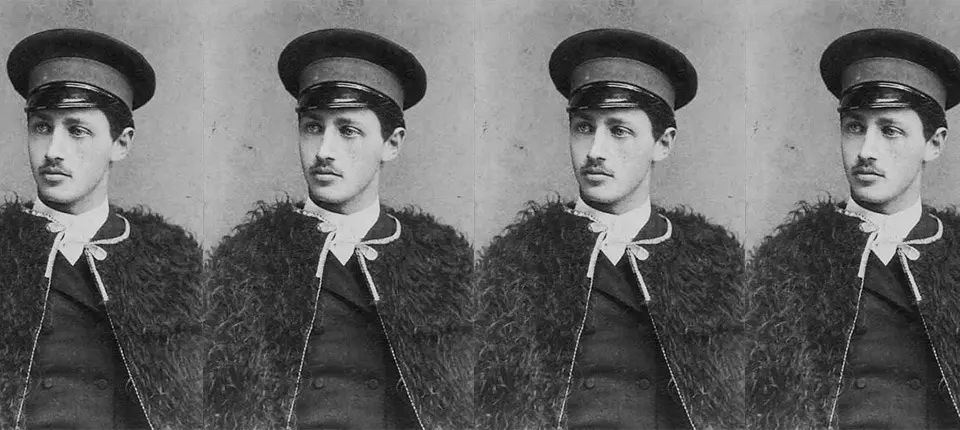
The week began with a significant milestone in literary history: the anniversary of the birth of Ivan Bunin in 1870. As the first Russian writer to be awarded the Nobel Prize in Literature, Bunin’s legacy remains a cornerstone of the European canon. His work, characterized by its "strict artistry" and a deep, often melancholic engagement with the Russian landscape and the human condition, feels particularly resonant in a week where many writers are grappling with the preservation of cultural memory. Bunin’s life—marked by exile and the preservation of a "lost Russia" through prose—mirrors the contemporary struggles of writers who find themselves displaced by modern conflicts.
A central theme dominating the discourse this week is the intersection of technology and the creative spirit. In an era where generative artificial intelligence has moved from a novelty to a ubiquitous presence in the creative industries, the question of what constitutes "the soul" of a work has moved to the forefront of the debate. The prevailing sentiment among critics and practitioners alike is that while AI can mimic structure, syntax, and even the stylistic tics of great authors, the "writer’s soul" remains the one element that cannot be replicated. This intangible quality—born of lived experience, suffering, and the uniquely human capacity for irrational insight—is increasingly being viewed as the final bastion of the professional writer. The discussion suggests that as the building blocks of language become automated, the value of the human perspective will only increase, provided the industry continues to prioritize the "soul" over mere production.
This focus on the human element extends into the evolving landscape of identity. The language of Latinx identity continues to shift, reflecting a community that is far from monolithic. Recent recommendations in Latinx literature highlight a growing body of work that rejects easy categorization, instead opting for a nuanced exploration of history, geography, and the linguistic "medicine" that storytelling provides. Similarly, the exploration of "trans poetics" has sparked a vital conversation about the perceived failures of language to fully capture the complexity of "becoming." Writers in this space are pushing the boundaries of traditional verse to find new ways to express the fluid nature of gender and selfhood, suggesting that when standard language fails, poetry must step in to bridge the gap.
The week also saw a renewed interest in the legacies of feminist icons. A deep dive into the influence of activist Robin Morgan on the estate and reputation of Sylvia Plath reveals the intricate, often behind-the-scenes work required to preserve a literary legacy. This historical context is paired with a thematic analysis of Plath’s own work, specifically the cycles of life and death that permeate her poetry. By examining how Plath’s work continues to speak to new generations, critics are highlighting the enduring power of the "confessional" mode and its ability to transcend the era in which it was written. This historical thread continues with an exploration of the decades-long friendship between Hannah Arendt and Mary McCarthy, offering a glimpse into an intellectual intimacy that shaped mid-century political and literary thought.
In terms of craft, the week provided a wealth of practical and eccentric insights. Barbara Kingsolver, one of the most respected voices in contemporary American fiction, shared the physical reality of her process, explaining why she prefers to write standing up. This detail, while seemingly minor, points to the broader relationship between the writer’s body and the work produced. Meanwhile, Lydia Millet sat down with Jane Ciabattari to discuss the ambitious undertaking of writing a "double novel" centered on themes of grief and loss. Millet’s approach to structure—using two distinct but related narratives to explore a single emotional core—serves as a masterclass in how form can mirror function in fiction.
The physical and psychological impacts of life experiences on writing were further explored through Nafissa Thompson-Spires’ account of how being struck by lightning affected her identity and her characters. This extreme event serves as a metaphor for the transformative power of trauma and the ways in which the unexpected can reshape a writer’s creative output. In a more lighthearted but equally insightful vein, Adam Wilson offered notes on the tension between plot and concept, famously declaring why he will never write a character who is a Yankees fan—a reminder that personal convictions and regional loyalties often color the fictional worlds writers build.
The socio-political dimension of literature was particularly heavy this week. Analysts have drawn chilling parallels between the electoral victory of the Nazi party on March 5, 1933, and the atmosphere surrounding the 2026 American midterms. This comparison serves as a stark warning about the fragility of democracy and the role of the writer as a witness to political convulsion. This global perspective is furthered by an examination of Brazilian politics and what the country’s recent far-right movements reveal about global trends. The "war" of the American deportation machine and the destruction of Ukrainian books by Russian forces provide a grim reminder that literature is often the first target in conflicts aimed at erasing identity and history. Oleksandr Mykhed’s report on losing Ukrainian libraries to Russian bombs highlights the physical vulnerability of cultural artifacts in an age of total war.
Environmental activism also took center stage, with Bill McKibben discussing the "long, slow process" of climate activism. McKibben’s insights suggest that the struggle for the earth is not a sprint but a marathon, requiring a sustained narrative effort to keep the public engaged with a crisis that often feels too large to comprehend. This sense of urgency is balanced by the quieter, more personal explorations of motherhood and marriage by Kristen Millares Young, and the unique challenges faced by Anishinaabe poets navigating a fiction-dominated market.
The literary world’s inner workings were also on display, from the editor’s crucial role in shaping the reader-writer relationship to the "incomparable" atmosphere of the Frankfurt Book Fair’s most exclusive dinners. The history of the "army librarian" during World War II serves as a poignant reminder of the vital role books play in maintaining morale and humanity on the front lines—a historical mirror to the current efforts to protect books in modern conflict zones.
In the realm of popular culture, the week revisited Whitney Houston’s iconic performance at Super Bowl XXV, analyzing the "confident complexity" she brought to the national anthem. This intersection of music, performance, and national identity provides a different lens through which to view the power of the individual voice. Additionally, the history of women spies in comics offers a look at how genre fiction has long been a space for subverting gender norms and exploring agency.
The week’s literary roundup concluded with a focus on the marketplace and the enduring power of short-form work. The Independent Press Top 40 Bestsellers for fiction and nonfiction highlight the continued vitality of small, independent publishers in an increasingly consolidated industry. Finally, the release of Alice Elliott Dark’s new afterword for her classic story "In the Gloaming" provides a moment of full-circle reflection, reminding readers that even the most celebrated works can find new life and meaning decades after their initial publication.
As these various threads—politics, technology, history, and craft—interweave, the picture that emerges is one of a literary community that is deeply engaged with the world. Whether through the lens of a 19th-century Russian master or the modern-day struggle to define the "soul" in the face of AI, the conversations of this week underscore the vital, unchanging importance of the written word as a tool for understanding ourselves and the times in which we live. Through the lens of these diverse voices, the "Best of the Literary Internet" continues to reflect a world that is as complex and fraught as it is beautiful and worthy of exploration.