The advertising landscape is currently undergoing a significant transformation, moving away from traditional transactional messaging and toward a more immersive, celebrity-driven narrative style. This shift is being highlighted as the industry prepares for one of its most anticipated annual gatherings. ADWEEK House: Advertising HQ is set to return to Midtown from October 5 to 8, promising four days of intensive, unscripted conversations that bring together the brightest minds in advertising, commerce, and media. As professionals prepare to converge for these high-level connections, a new wave of creative campaigns has hit the airwaves, showcasing how brands are utilizing star power and unconventional formats to capture consumer attention.
Leading this week’s charge is a series of high-profile collaborations that blur the lines between cinema, lifestyle, and product promotion. From Zendaya’s high-octane performance for On to KFC’s foray into original game show programming, the current marketing cycle reflects a broader trend: brands are no longer just selling products; they are building entertainment ecosystems.
The Cinematic Turn in Celebrity Endorsements
In the realm of athletic wear and lifestyle branding, the partnership between Zendaya and On has taken a theatrical turn. Zendaya, who has recently dominated the cultural zeitgeist with her roles in Dune and Challengers, is now channeling her action-hero persona for the Swiss performance brand. This campaign moves beyond the standard "celebrity in sneakers" format. Instead, it positions Zendaya as a protagonist in a high-stakes narrative, emphasizing the technical prowess and sleek design of On’s footwear through movement and intensity. For On, a brand that has rapidly scaled from a niche running shoe to a global fashion powerhouse, aligning with Zendaya’s athletic and cinematic image is a strategic move to solidify its position in the premium lifestyle sector.
Simultaneously, Megan Fox is lending her distinct persona to Ro Sparks, a sexual health and wellness brand. In this campaign, Fox personifies the product itself, bringing a bold and unapologetic energy to a category that has historically been approached with more reserved marketing tactics. By utilizing Fox’s public image to destigmatize and personify wellness, Ro Sparks is attempting to cut through the noise of the health industry with a campaign that is as provocative as it is memorable.
The trend of movement-based storytelling continues with Reebok, which has tapped Saved by the Bell and Along for the Ride star Belmont Cameli. In a campaign that focuses on the joy of physical expression, Cameli showcases the versatility of Reebok’s latest collection through dance and choreographed movement. This reflects a broader industry shift where brands are opting for "talent in motion" rather than static imagery, recognizing that modern audiences respond more favorably to authenticity and physical dynamism.
KFC and the Evolution of Branded Entertainment
Perhaps the most ambitious project of the week comes from KFC, which has partnered with the creative agency Mother to launch a 30-minute original game show titled "Don’t Crack." This initiative is the latest evolution of the brand’s "Believe in Chicken" platform, a multi-year marketing strategy that has leaned into the cult-like devotion of its most loyal customers.
The game show features 30 of the brand’s most fervent "superfans" competing in a series of challenges designed to test their knowledge and loyalty to the Colonel’s legacy. At stake is a $67,000 grand prize and the prestigious title of "The Ultimate Believer." By producing a full-length game show, KFC is effectively bypassing traditional commercial breaks and becoming the entertainment itself. This move highlights a growing trend in "long-form" branded content, where companies invest in production values that rival traditional television networks to foster a deeper sense of community among their audience.
The "Believe in Chicken" platform has been a cornerstone of KFC’s identity for the past three years, emphasizing a surreal and often humorous dedication to the product. "Don’t Crack" takes this a step further by gamifying the brand experience, turning consumer loyalty into a spectator sport. It is a calculated risk that reflects the brand’s confidence in its cultural footprint.
Nostalgia and Humanization: Chili’s and The Washington Post
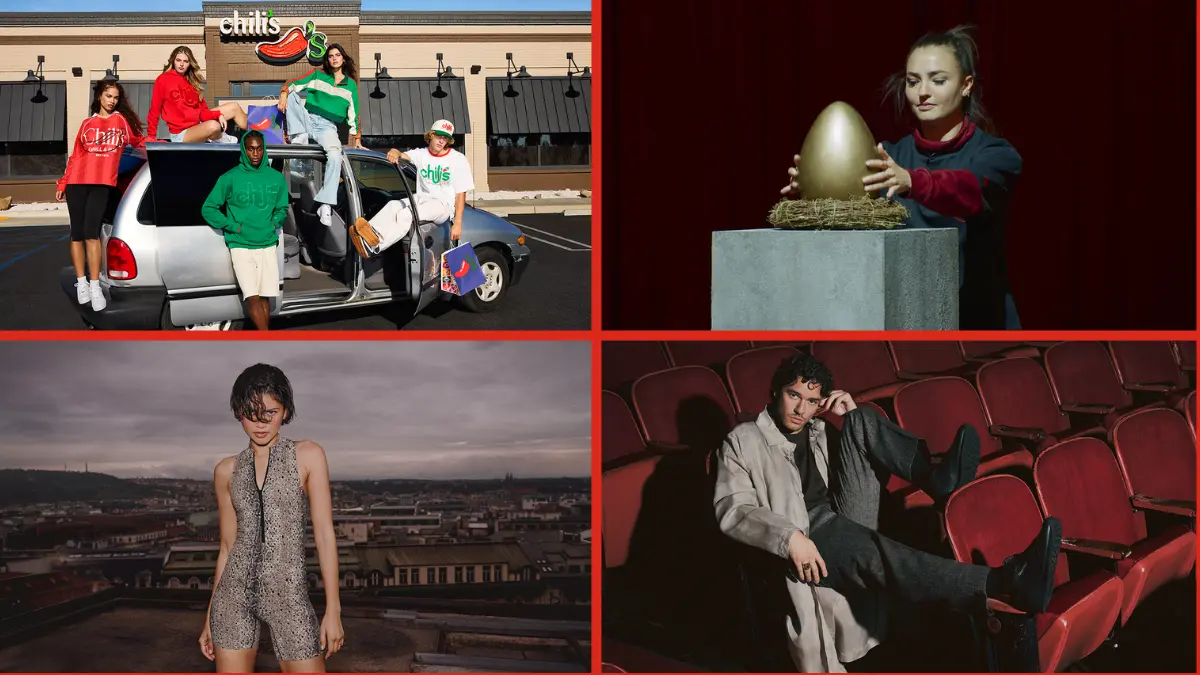
While some brands are focusing on high-production entertainment, others are tapping into the power of lifestyle aesthetics and human-centric storytelling. Chili’s Grill & Bar has unveiled a new apparel collection inspired by the suburbs—a setting that has long been the brand’s heartland. The collection reflects a wider trend of "merch-as-marketing," where restaurant chains release limited-edition clothing to create a sense of lifestyle belonging. By leaning into the suburban aesthetic, Chili’s is embracing its identity as a neighborhood staple, using fashion to connect with a demographic that finds comfort and nostalgia in the "casual dining" experience.
In a different vein, The Washington Post is looking inward to strengthen its connection with its readership. Their latest campaign highlights the journalists and staffers who work behind the headlines. In an era where trust in media is a frequent topic of debate, the Post’s decision to put a human face on its reporting is a strategic move toward transparency. By showcasing the individuals who navigate complex stories and bring news to the public, the publication is emphasizing the human effort and integrity required in modern journalism. It is a campaign that prioritizes institutional value over flashiness, aiming to build long-term brand equity through personal connection.
Measuring Success: The Most Effective Ad of the Week
In an industry where creativity is often subjective, data remains the ultimate arbiter of success. This week, in partnership with the analytics firm EDO, the title of Most Effective Ad of the Week has been awarded to a campaign that serves as one last celebration of summer. While the specific brand behind this seasonal push focuses on the joy of the outgoing months, the EDO data underscores why such ads resonate. "Summer celebration" themes often trigger high engagement levels by tapping into universal feelings of leisure and community.
EDO’s metrics go beyond simple viewership, measuring the "Search Engagement" generated by an ad—essentially tracking how many people were moved to look up the brand or product immediately after seeing the commercial. The success of this week’s winner suggests that even as the industry looks forward to the autumn season and events like ADWEEK House, there is still significant value in capturing the final moments of summer sentiment.
Looking Ahead to ADWEEK House
As these campaigns circulate, the industry’s focus is also shifting toward the upcoming ADWEEK House: Advertising HQ in Midtown. Scheduled for early October, the event is designed to be a sanctuary for the "people shaping advertising, commerce, and media." Unlike traditional conferences that rely on rigid scripts, ADWEEK House is built on the premise of unscripted conversations.
The importance of such gatherings cannot be overstated in a period of rapid technological and cultural change. As AI begins to reshape creative workflows and consumer habits continue to fragment across various platforms, the need for face-to-face connection among industry leaders is more pressing than ever. The conversations held in Midtown from October 5 to 8 are expected to touch upon many of the themes seen in this week’s ads: the role of high-tier celebrity partners, the viability of long-form branded content like KFC’s game show, and the ways in which traditional brands can reinvent themselves for a new generation.
The week’s most notable ads serve as a preview of the topics likely to dominate the discourse this fall. Whether it is through the cinematic action of Zendaya, the bold personification of wellness by Megan Fox, or the community-building efforts of KFC and Chili’s, the advertising world is proving that its ability to adapt and entertain remains as strong as ever. As the industry moves toward its major October gathering, the focus remains clear: creating connections that are as meaningful as they are memorable.