The pivot toward affordability is not limited to passenger cars and small SUVs. Stellantis is also looking to shore up its position in the highly competitive truck market, where prices have arguably seen the most aggressive inflation over the last decade. Ram, a brand synonymous with heavy-duty capability and premium interiors, is preparing to fight for the budget-conscious buyer.
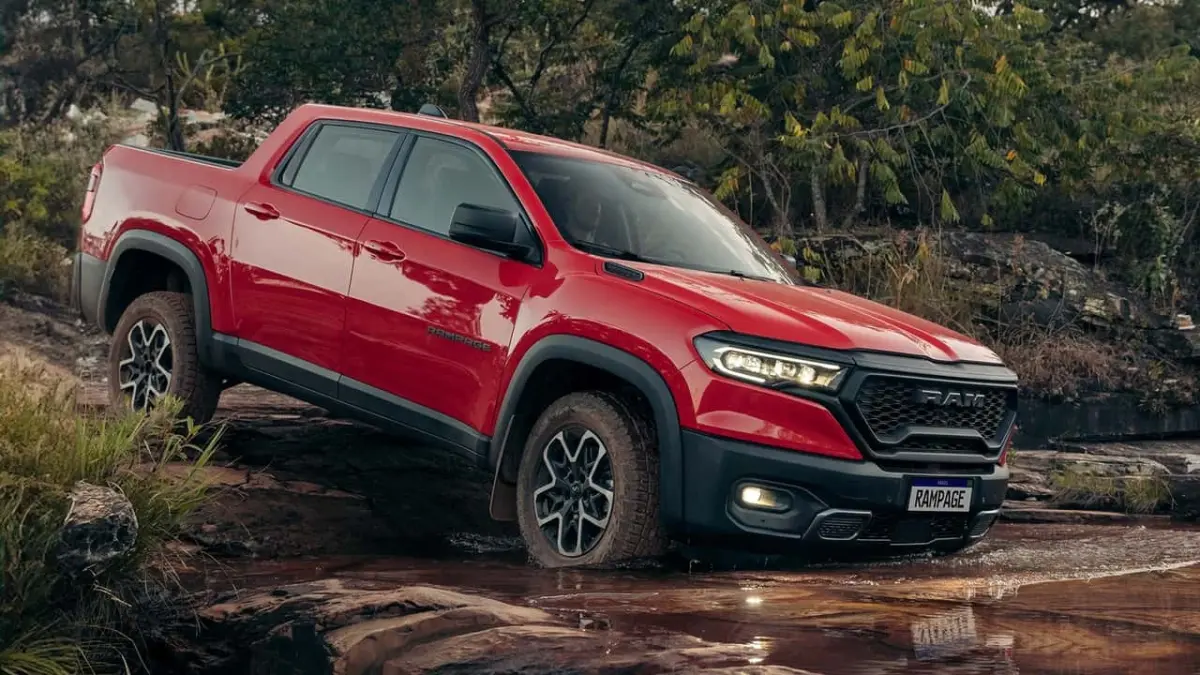
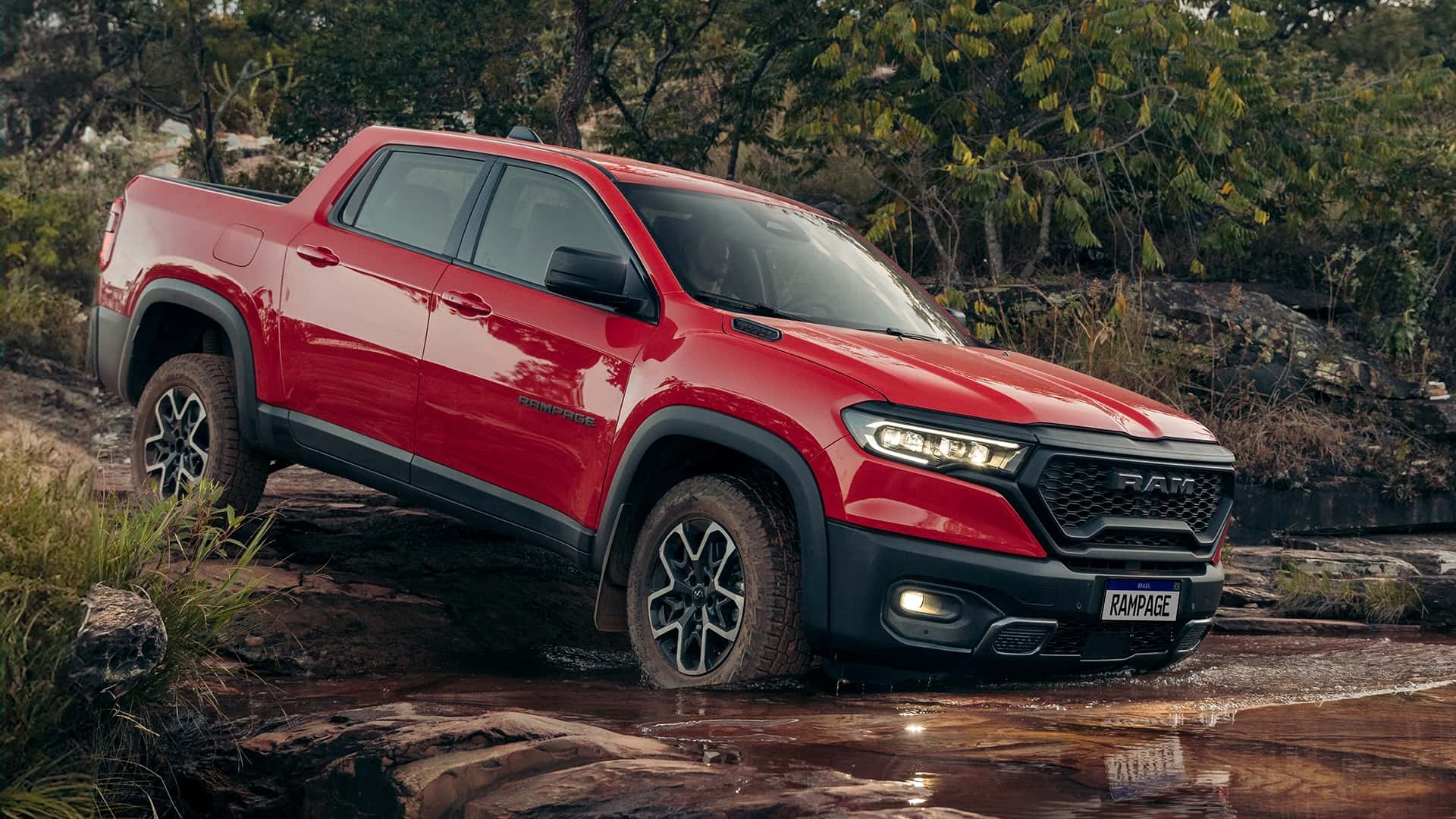
By 2028, Ram plans to introduce the Rampage to the North American market. This compact pickup is expected to be Stellantis’s answer to the runaway success of the Ford Maverick. The Maverick has proven that there is a massive, underserved appetite for small, efficient trucks that start under $30,000. Filosa’s comments suggest that the Rampage will follow a similar pricing philosophy, aiming to capture young buyers and urban dwellers who need utility without the footprint or the price tag of a full-size Ram 1500.
In addition to the Rampage, the brand is reviving a storied nameplate: the Dakota. Positioned as a mid-size alternative to the massive pickups that currently dominate the roads, the new Dakota is being designed to slip under the $40,000 threshold. Filosa explicitly mentioned that Stellantis wants to be “relevant and strong” in comparison to stalwarts like Ford and Toyota, even name-dropping the Toyota Tacoma as a benchmark for the kind of market presence Stellantis hopes to regain.
Dodge is also expected to contribute to this affordable push. While the brand has recently focused on its "Last Call" V8 muscle cars and the high-performance Hornet crossover, the upcoming Dodge GLH is aimed at a different demographic. Dodge CEO Matt McAlear recently described the GLH as a mid-size crossover targeting the “sedan and hot-hatch-type market.” By blending performance aesthetics with a more accessible price point—likely under $40,000—Dodge hopes to retain its "Brotherhood of Muscle" identity while appealing to buyers who have been priced out of the traditional muscle car segment.
A Multi-Energy Approach: Hybrids and EREVs
A key component of Stellantis’s ability to hit these lower price targets involves a diversified approach to powertrains. While many competitors went "all-in" on expensive battery-electric vehicles (BEVs), Stellantis is leaning heavily into hybrid and Extended-Range Electric Vehicle (EREV) technology. This strategy allows the company to offer the benefits of electrification—such as improved fuel economy and instant torque—without the massive battery costs that often drive MSRPs well above $50,000.
The Jeep brand has already begun this transition with the resurrection of the Cherokee as a hybrid. The new Cherokee utilizes a turbocharged 1.6-liter four-cylinder engine paired with a two-motor electronically controlled continuously variable transmission. This setup produces a respectable 210 horsepower and 230 pound-feet of torque, offering a balance of efficiency and capability that Jeep hopes will resonate with mid-size SUV buyers.