However, the most intriguing part of the Stellantis tech roadmap is the EREV. Unlike a traditional plug-in hybrid, an EREV uses its internal combustion engine solely as a generator to keep the battery charged, while the wheels are driven exclusively by electric motors. This eliminates "range anxiety" while requiring a smaller, cheaper battery than a full BEV.
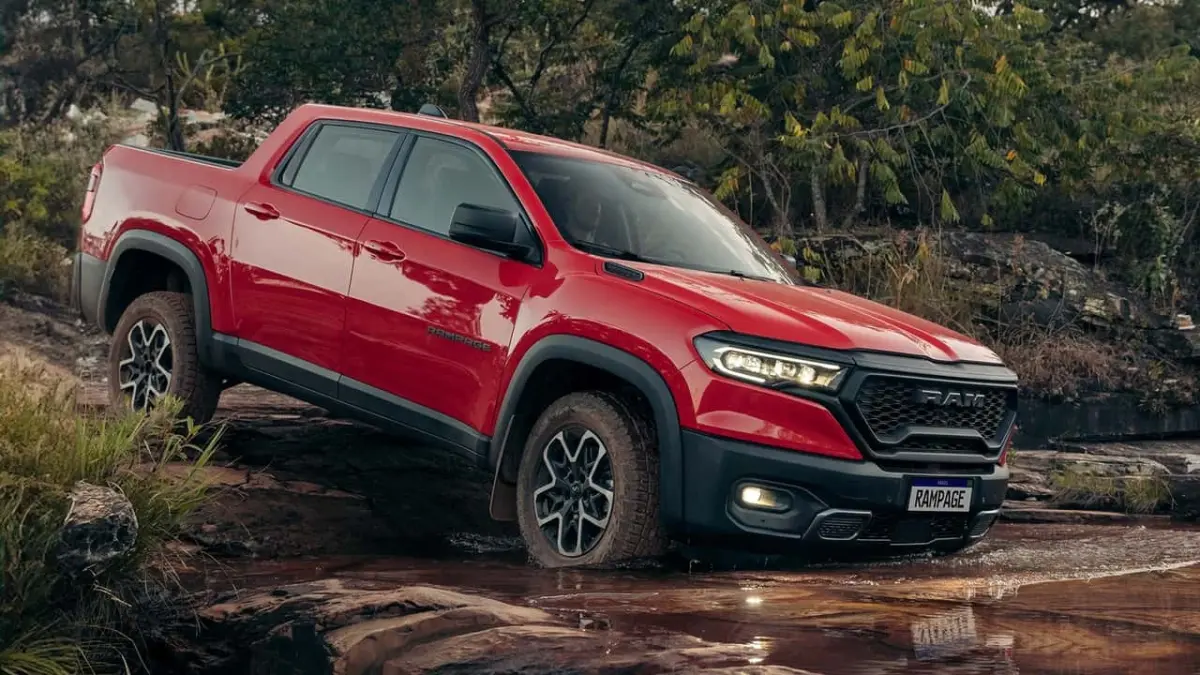
Jeep is planning an EREV version of the Grand Wagoneer, which will utilize the venerable 3.6-liter Pentastar V6 engine as its onboard generator. Production for this model is reportedly scheduled to begin as early as next month. Similarly, Ram is moving forward with the Ram 1500 REV and its EREV counterparts. While the Ram 1500 REV was revealed over three years ago, production is now slated for April 2027. Filosa described the EREV powertrain as “perfect” for a specific niche of customers who want the electric driving experience but still need the long-range towing and hauling capabilities of a traditional truck.
Addressing Quality and Market Competitiveness
While lower prices are essential for attracting buyers, Stellantis is also grappling with the need to improve the perceived and actual quality of its vehicles. The company has faced criticism in recent years regarding reliability and manufacturing consistency, issues that can quickly undermine a brand’s reputation regardless of how affordable its cars are.
During his address in Detroit, Filosa acknowledged these challenges, stating that quality problems are being addressed “very, very, very quickly.” The CEO emphasized that for the new wave of affordable models to succeed, they must not only be priced correctly but must also meet the rigorous standards set by Japanese and domestic competitors.
The road ahead for Stellantis is ambitious. Launching nine models under $40,000 in a market defined by inflation and supply chain volatility is a significant undertaking. However, by leveraging a mix of revived nameplates like the Dakota and Cherokee, and investing in flexible EREV technology, the conglomerate is positioning itself to be the primary beneficiary of a consumer shift back toward value.
As the automotive industry prepares for the 2025 and 2026 model years, the focus is clearly shifting from "how expensive can a car be?" to "how can we make a new car attainable again?" For Stellantis, the answer lies in a diverse fleet of smaller, smarter, and more affordably priced vehicles designed to put the American driver back in the driver’s seat.