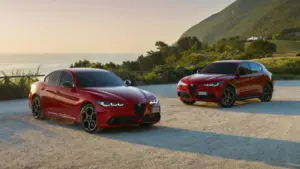
In an era where the average price of a new vehicle in the United States continues to hover stubbornly around the $50,000 mark, the automotive landscape has become increasingly inhospitable for the budget-conscious consumer. As entry-level sedans and compact crossovers vanish from showroom floors, replaced by high-margin luxury SUVs and expensive electric vehicles, a significant portion of the American public has found itself priced out of the new car market. Recognizing this widening vacuum, Stellantis, the global automotive conglomerate, has announced a major strategic pivot aimed at reclaiming the "affordable" segment of the market.
Speaking this week at the Automotive News Congress in Detroit, Stellantis CEO Antonio Filosa articulated a vision that moves away from the industry’s recent obsession with premium pricing. According to reports from The Detroit News, Filosa told industry leaders and analysts that there is a “huge opportunity” for Stellantis to gain market share by introducing more accessible models. To capitalize on this, the automaker plans to launch a total of 11 new vehicles in North America, nine of which will be priced below $40,000. Perhaps even more significant for the average buyer is the promise that two of these upcoming models will carry a manufacturer’s suggested retail price (MSRP) of less than $30,000.
This shift comes at a critical time for Stellantis, which oversees a diverse portfolio of brands including Jeep, Ram, Dodge, and Chrysler. For years, the company’s strategy—much like that of its competitors—focused on maximizing profit per unit, often at the expense of volume in lower-priced segments. However, with interest rates remaining high and consumer demand for expensive EVs cooling, the "affordability gap" has become a liability for manufacturers with aging or overpriced lineups.
Rebuilding the Entry-Level Lineup
Currently, the entry point for the Stellantis family in the United States is relatively narrow. If one excludes the Fiat Topolino—a quirky micro-car that is not street-legal for American highways—the Jeep Compass stands as the automaker’s most affordable offering. While the Compass technically starts at just under $30,000 before destination charges, it represents a lonely outpost in a sea of increasingly expensive Jeeps and Rams.
The roadmap revealed by Filosa suggests a dramatic expansion of choice. Central to this plan is the revitalization of the Chrysler brand, which has spent years languishing with a skeleton lineup consisting primarily of the Pacifica minivan. The upcoming Chrysler Airflow, a mid-size SUV that has been teased in various concept forms, is now confirmed to be a cornerstone of this new strategy. Stellantis intends to bring the Airflow to market with a starting price under $40,000, positioning it as a direct competitor in the heart of the American family vehicle market.
Furthermore, Chrysler is set to return to the compact segment with two new models: the Arrow and the Arrow Cross. These vehicles are expected to be the standard-bearers for the company’s sub-$30,000 ambitions. Internal projections suggest that the most affordable variants of these compact options could start as low as $25,000. If achieved, this would place Chrysler in direct competition with the few remaining affordable staples from brands like Hyundai, Kia, and Toyota.
The Battle for the Truck and Crossover Market
The pivot toward affordability is not limited to passenger cars and small SUVs. Stellantis is also looking to shore up its position in the highly competitive truck market, where prices have arguably seen the most aggressive inflation over the last decade. Ram, a brand synonymous with heavy-duty capability and premium interiors, is preparing to fight for the budget-conscious buyer.
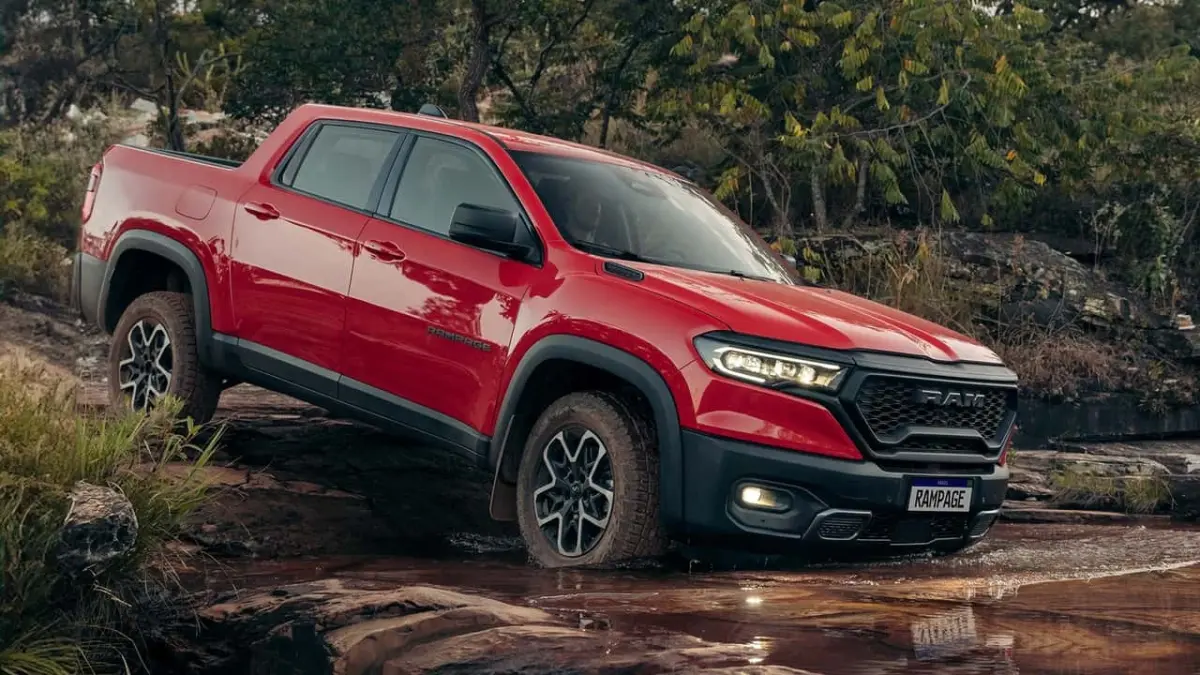
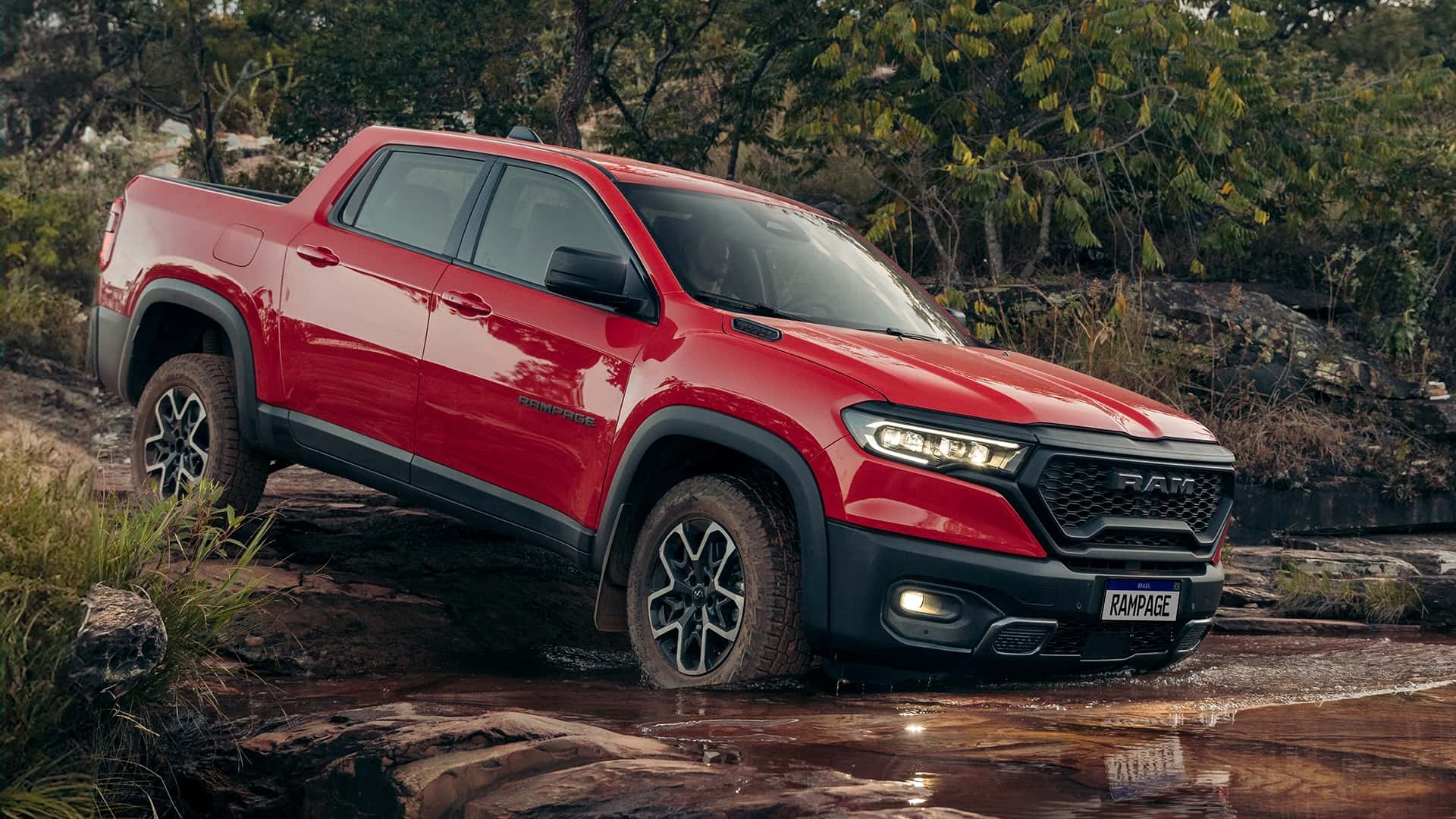
By 2028, Ram plans to introduce the Rampage to the North American market. This compact pickup is expected to be Stellantis’s answer to the runaway success of the Ford Maverick. The Maverick has proven that there is a massive, underserved appetite for small, efficient trucks that start under $30,000. Filosa’s comments suggest that the Rampage will follow a similar pricing philosophy, aiming to capture young buyers and urban dwellers who need utility without the footprint or the price tag of a full-size Ram 1500.
In addition to the Rampage, the brand is reviving a storied nameplate: the Dakota. Positioned as a mid-size alternative to the massive pickups that currently dominate the roads, the new Dakota is being designed to slip under the $40,000 threshold. Filosa explicitly mentioned that Stellantis wants to be “relevant and strong” in comparison to stalwarts like Ford and Toyota, even name-dropping the Toyota Tacoma as a benchmark for the kind of market presence Stellantis hopes to regain.
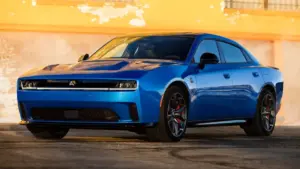
Dodge is also expected to contribute to this affordable push. While the brand has recently focused on its "Last Call" V8 muscle cars and the high-performance Hornet crossover, the upcoming Dodge GLH is aimed at a different demographic. Dodge CEO Matt McAlear recently described the GLH as a mid-size crossover targeting the “sedan and hot-hatch-type market.” By blending performance aesthetics with a more accessible price point—likely under $40,000—Dodge hopes to retain its "Brotherhood of Muscle" identity while appealing to buyers who have been priced out of the traditional muscle car segment.
A Multi-Energy Approach: Hybrids and EREVs
A key component of Stellantis’s ability to hit these lower price targets involves a diversified approach to powertrains. While many competitors went "all-in" on expensive battery-electric vehicles (BEVs), Stellantis is leaning heavily into hybrid and Extended-Range Electric Vehicle (EREV) technology. This strategy allows the company to offer the benefits of electrification—such as improved fuel economy and instant torque—without the massive battery costs that often drive MSRPs well above $50,000.
The Jeep brand has already begun this transition with the resurrection of the Cherokee as a hybrid. The new Cherokee utilizes a turbocharged 1.6-liter four-cylinder engine paired with a two-motor electronically controlled continuously variable transmission. This setup produces a respectable 210 horsepower and 230 pound-feet of torque, offering a balance of efficiency and capability that Jeep hopes will resonate with mid-size SUV buyers.
However, the most intriguing part of the Stellantis tech roadmap is the EREV. Unlike a traditional plug-in hybrid, an EREV uses its internal combustion engine solely as a generator to keep the battery charged, while the wheels are driven exclusively by electric motors. This eliminates "range anxiety" while requiring a smaller, cheaper battery than a full BEV.
Jeep is planning an EREV version of the Grand Wagoneer, which will utilize the venerable 3.6-liter Pentastar V6 engine as its onboard generator. Production for this model is reportedly scheduled to begin as early as next month. Similarly, Ram is moving forward with the Ram 1500 REV and its EREV counterparts. While the Ram 1500 REV was revealed over three years ago, production is now slated for April 2027. Filosa described the EREV powertrain as “perfect” for a specific niche of customers who want the electric driving experience but still need the long-range towing and hauling capabilities of a traditional truck.
Addressing Quality and Market Competitiveness
While lower prices are essential for attracting buyers, Stellantis is also grappling with the need to improve the perceived and actual quality of its vehicles. The company has faced criticism in recent years regarding reliability and manufacturing consistency, issues that can quickly undermine a brand’s reputation regardless of how affordable its cars are.
During his address in Detroit, Filosa acknowledged these challenges, stating that quality problems are being addressed “very, very, very quickly.” The CEO emphasized that for the new wave of affordable models to succeed, they must not only be priced correctly but must also meet the rigorous standards set by Japanese and domestic competitors.
The road ahead for Stellantis is ambitious. Launching nine models under $40,000 in a market defined by inflation and supply chain volatility is a significant undertaking. However, by leveraging a mix of revived nameplates like the Dakota and Cherokee, and investing in flexible EREV technology, the conglomerate is positioning itself to be the primary beneficiary of a consumer shift back toward value.
As the automotive industry prepares for the 2025 and 2026 model years, the focus is clearly shifting from "how expensive can a car be?" to "how can we make a new car attainable again?" For Stellantis, the answer lies in a diverse fleet of smaller, smarter, and more affordably priced vehicles designed to put the American driver back in the driver’s seat.